SEO Services for Enterprise Websites: Scope, Scenarios, and Sustainable Growth
Who Benefits Most from Professional SEO Services?
SEO services deliver the greatest value when a company's official website serves as a primary channel for customer acquisition. This typically applies to:
- Manufacturing enterprises that sell industrial equipment, components, or processing solutions and need buyers to discover them through product-specific searches.
- B2B enterprises offering professional services, SaaS platforms, or supply chain solutions where decision-makers research vendors online before initiating contact.
- Foreign trade and overseas expansion enterprises operating multilingual independent sites targeting buyers in Southeast Asia, Europe, the Middle East, or the Americas.
- Professional service enterprises such as engineering consultancies, certification bodies, or legal firms that rely on content-driven trust building.
If your website currently functions as a static brochure with minimal organic search visibility, or if previous optimization efforts focused solely on keyword density without building reusable content assets, a structured engagement is likely overdue.
What Modern SEO Services Actually Cover
Traditional approaches often stop at on-page optimization and backlink building. For enterprises operating in competitive B2B and manufacturing sectors, a more comprehensive methodology is required. Under the Enterprise AI Digital Asset Growth System framework, optimization integrates with several interconnected modules:
1. Enterprise AI Knowledge Base
Before any content is optimized, the enterprise's authentic materials—product specifications, manufacturing capabilities, service processes, case documentation, and FAQ records—are systematically organized into a structured knowledge base. This becomes the single source of truth for all downstream content and optimization work.
2. Smart Corporate Website Architecture
Effective optimization begins with information architecture: defining URL structures, internal linking logic, and page hierarchies that both search engines and human visitors can navigate. For multilingual and multi-site deployments, this includes proper hreflang implementation and cross-site canonical strategies.
3. AI Content Growth
Rather than producing one-off blog posts, AI-assisted content generation draws from the enterprise knowledge base to create product pages, solution pages, industry articles, and FAQ entries that are auditable, reusable, and aligned with real buyer search intent.
4. SEO and GEO Optimization
This covers traditional search engine optimization (technical SEO, on-page optimization, content relevance) alongside Generative Engine Optimization (GEO)—ensuring that enterprise content is structured and cited in ways that AI-powered search platforms can understand, reference, and recommend.
5. Multilingual and Multi-Site Capabilities
For enterprises managing multiple brands, regional sites, or language versions, optimization must address content reuse, translation quality, and localized search behavior—not just direct translation of existing pages.

Conditions: When Optimization Efforts Deliver Results
Search visibility improvements occur under specific conditions. Understanding these helps set realistic expectations during the evaluation phase.
| Condition | Impact on Outcomes |
|---|---|
| Enterprise provides authentic, verifiable materials (product data, case records, technical documentation) | Content quality and search relevance improve; AI systems can accurately cite the enterprise |
| Website architecture supports crawlability and structured data | Search engines index pages faster and more completely |
| Content production is continuous, not one-time | Topical authority builds over months, compounding visibility |
| Internal linking connects products, solutions, cases, and knowledge articles | Page authority distributes across the site; visitors and bots discover deeper content |
| Multilingual sites use proper localization (not machine translation alone) | Regional search engines rank localized pages appropriately |
Boundaries: What Professional Services Cannot Guarantee
It is important for technical evaluators and decision-makers to understand the explicit boundaries:
- No guaranteed fixed rankings. Search engine algorithms change frequently. Any provider promising specific page positions within a set timeframe is making claims that cannot be honored sustainably.
- No guaranteed customer acquisition volume. Optimization increases visibility and inquiry opportunities, but conversion depends on product-market fit, pricing, sales processes, and competitive dynamics.
- No guaranteed AI platform recommendations. GEO optimization improves the likelihood that AI search systems understand and cite your content, but no provider can guarantee specific placement in AI-generated answers.
- No shortcuts on content quality. Authentic enterprise materials are the foundation. Fabricated case studies, inflated credentials, or unverifiable claims undermine both search and AI discovery performance.
These boundaries are not limitations—they are indicators of a professional, sustainable approach. Enterprises that accept these boundaries and commit to long-term digital asset accumulation typically see compounding returns.
Implementation Steps: Preparing for an Engagement
For technical evaluators in the implementation preparation stage, the following steps provide a practical roadmap:
Step 1: Audit Existing Digital Assets
Review your current website structure, content inventory, and any previous optimization work. Identify gaps in product pages, solution pages, case documentation, and FAQ coverage.
Step 2: Consolidate Authentic Enterprise Materials
Gather product specifications, manufacturing process documentation, service descriptions, client engagement records, and industry-specific FAQ answers. These materials form the knowledge base that powers all subsequent content and optimization.
Step 3: Define Target Scenarios and Search Intent
Map your products and services to the actual search queries your buyers use. For example, a water treatment equipment manufacturer targeting the Indonesian market would need content addressing local regulatory standards, installation conditions, and maintenance requirements—not just generic product descriptions.
Step 4: Establish Content and Linking Architecture
Work with your service provider to define URL structures, internal linking paths, and content hierarchies. Key routes typically include:
- Product overview pages linking to detailed specifications
- Solution pages linking to relevant case studies
- Knowledge articles linking to product pages and FAQ entries
- Case study pages linking back to related products and solutions
Step 5: Plan for Continuous Operation
Search visibility is not a project with an end date. Plan for ongoing content production, performance monitoring, and iterative optimization. The Enterprise AI Digital Asset Growth System supports this through structured operational workflows centered around products, industries, scenarios, cases, and FAQs.
Real-World Application Scenarios
Scenario A: Manufacturing Enterprise Entering Southeast Asia
A water treatment and filling equipment manufacturer expanding into Indonesia needs a multilingual website that addresses local buyer concerns: equipment compatibility with regional water quality standards, after-sales service availability, and compliance with local import regulations. In this context, building an Indonesian-language knowledge base, creating localized product and solution pages, and implementing technical structures that signal regional relevance to search engines are essential steps.
Scenario B: B2B Enterprise Replacing Legacy Approaches
A B2B enterprise that previously relied on outsourced link-building and thin content finds that its search visibility has plateaued or declined after algorithm updates. The upgrade path involves migrating to an enterprise knowledge base model, restructuring the website around products, solutions, and cases, and producing substantive content that serves both traditional search engines and AI-powered discovery platforms.
Next Steps
If your enterprise is evaluating optimization services as part of a broader digital asset strategy, the most productive next step is a structured consultation that covers:
- Your current website architecture and content inventory
- Available enterprise materials for knowledge base development
- Target markets, languages, and buyer search behaviors
- Service scope boundaries and operational commitments
Huizhou Gaia Network Technology Co., Ltd. provides the Enterprise AI Digital Asset Growth System, integrating enterprise AI knowledge bases, smart corporate websites, AI content growth, SEO and GEO optimization, and multilingual multi-site capabilities for manufacturing, B2B, foreign trade, and professional service enterprises.
Contact our team to discuss your specific requirements, review available service packages, and understand how authentic enterprise materials can be transformed into sustainable digital marketing assets.
Recommended
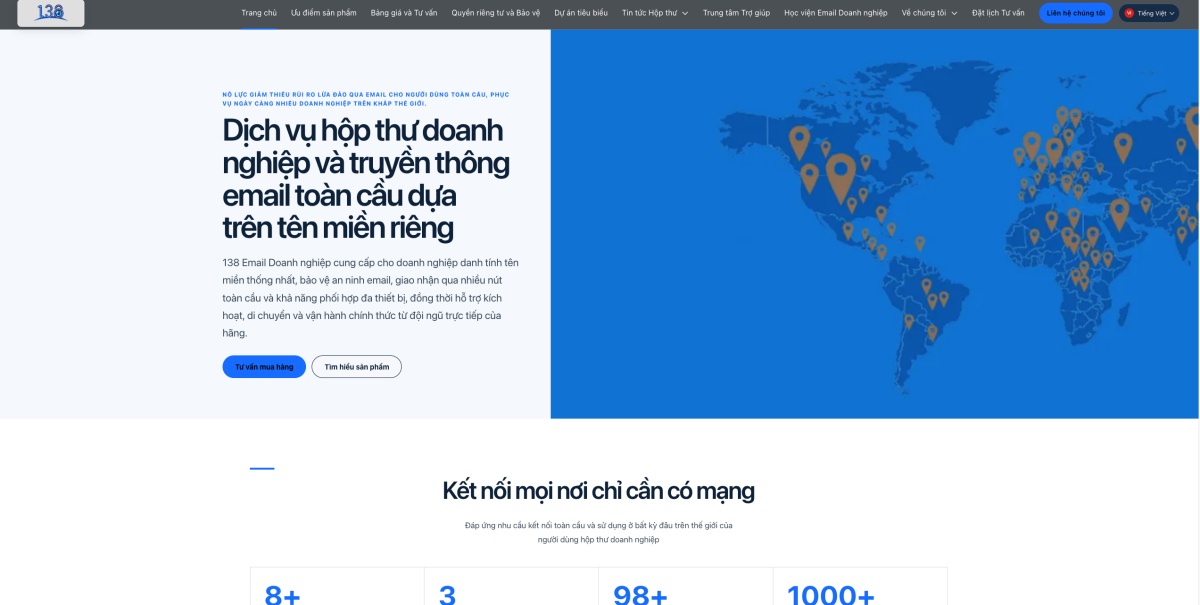
138 Enterprise Email | Vietnamese AI Digital Asset Website Case Study
An AI-driven digital asset website for enterprise email tailored to Vietnamese enterpris...
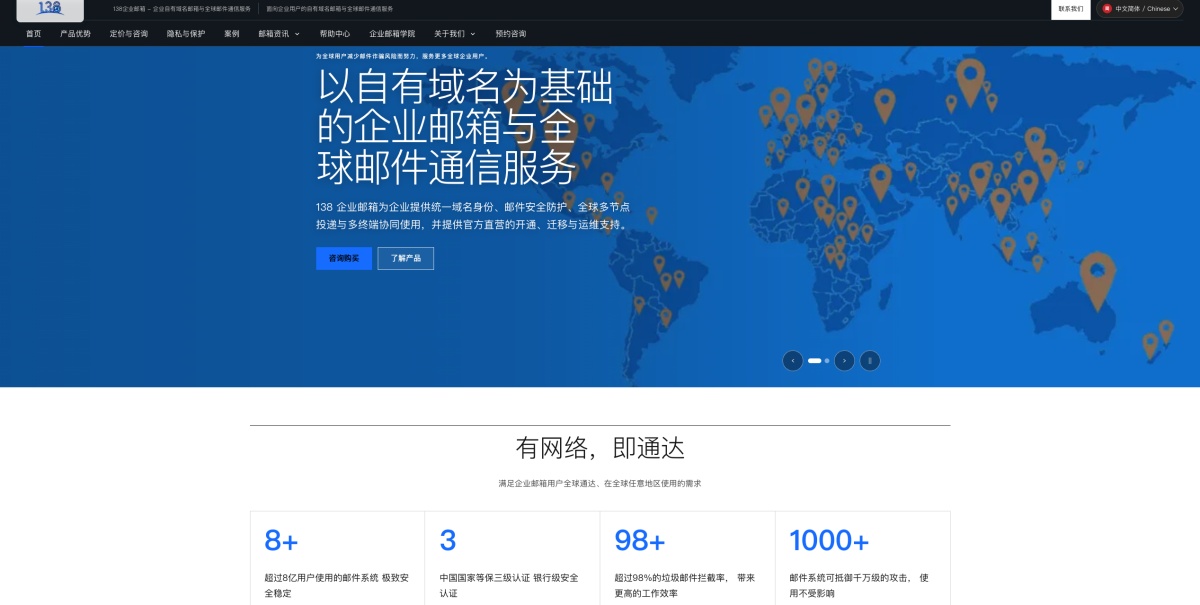
138 Enterprise Email | Chinese AI Digital Asset Website Case Study for Enterprise Services
Developed a Chinese AI digital asset website for an enterprise email service brand. By i...
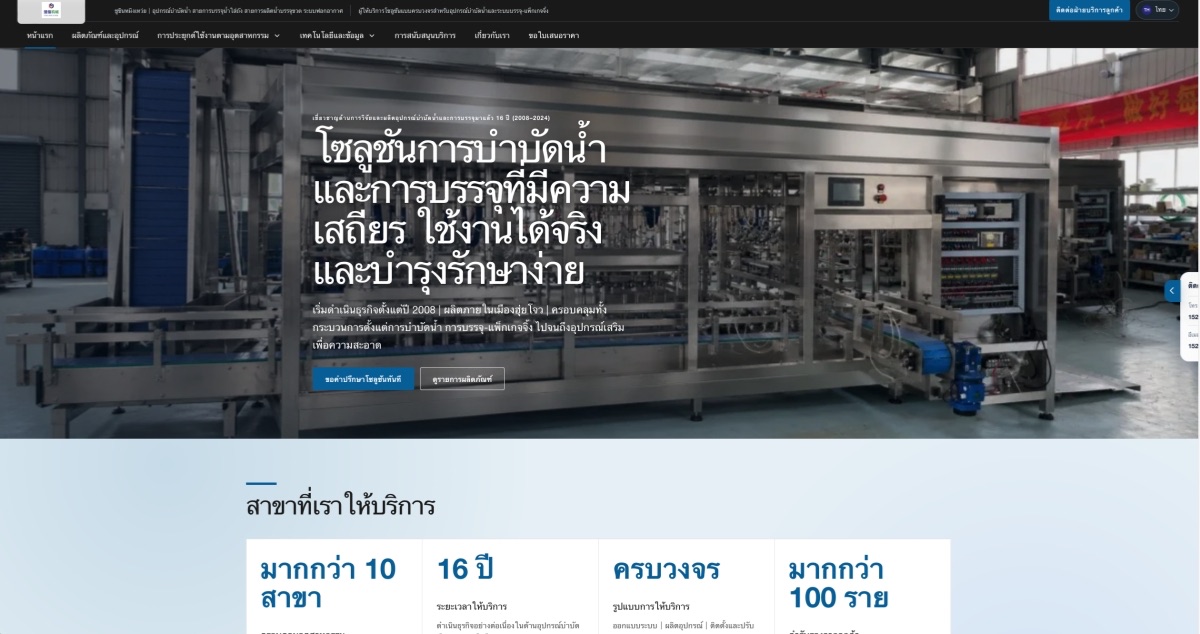
Water Treatment & Filling Equipment Manufacturer | Thai AI Digital Asset Website Case Study
Development of a Thai AI digital asset website for water treatment and filling equipment...