SEO Optimization for Enterprise Websites: Concepts, Use Cases, and Implementation Boundaries
What SEO Optimization Actually Means for Enterprise Websites
SEO optimization is the structured process of making an enterprise website more visible in search results and more understandable to both traditional search engines and emerging AI-driven answer systems. For B2B, manufacturing, and foreign trade companies, effective SEO is not about chasing algorithmic tricks — it is about building a content and technical foundation that accumulates value over time.
At Huizhou Gaia Network Technology, we position SEO as one core module within the Enterprise AI Digital Asset Growth System. It works alongside enterprise AI knowledge bases, smart corporate websites, AI content growth, and multilingual multi-site management to turn your official website into a sustainable customer acquisition channel.
Who Needs Structured SEO Optimization
Not every website benefits from the same SEO approach. The following enterprise types typically see the highest return from a systematic SEO strategy:
- Manufacturing enterprises
- that need to convert product manuals, technical parameters, and application experience into searchable product pages and industry solutions.
- B2B service providers
- that must build professional trust through case studies, methodologies, and decision-oriented FAQs.
- Foreign trade and overseas expansion companies
- that require multilingual websites with localized content structures for different target markets.
- Group or multi-brand enterprises
- that need to manage multiple sites under a unified knowledge base to avoid content duplication and inconsistency.
If your business relies on continuous inquiry generation through an official website, SEO optimization is not optional — it is infrastructure.
Core Use Cases in Real Business Scenarios
1. Product and Technical Content Structuring
Manufacturing clients often have extensive product documentation but lack a website structure that search engines can crawl effectively. SEO optimization begins with organizing product models, specifications, materials, and application scenarios into dedicated, internally linked pages. This transforms static documents into discoverable digital assets.
2. Multilingual and Multi-Market Coverage
For foreign trade enterprises, SEO must extend beyond translation. Each target market requires localized keyword research, culturally adapted content, and region-specific technical SEO. Our multilingual and multi-site capabilities allow businesses to reuse core product materials while adjusting expression for each market — reducing redundant work while maintaining relevance.
3. AI Search Visibility (GEO)
Traditional SEO focuses on search engine results pages. GEO (Generative Engine Optimization) extends this to AI-powered answer systems. By structuring content around products, industries, scenarios, cases, and FAQs, enterprises increase the likelihood that AI systems can cite, reference, or recommend their information when users ask relevant questions.
Implementation Boundaries: What SEO Optimization Is Not
It is critical for decision-makers to understand the realistic boundaries of SEO services:
- No guaranteed fixed rankings.*
- Search algorithms change continuously. Any provider promising top positions for specific keywords should be approached with caution.
- No guaranteed customer acquisition volume.*
- SEO builds visibility and credibility over time; it does not function as a lead-generation faucet that can be turned on instantly.
- No guaranteed AI platform recommendations.*
- AI systems evolve independently, and no service provider can promise that your content will be cited by specific AI tools.
- Content must be auditable and reusable.*
- At Gaia, all content is based on authentic enterprise materials. We do not fabricate case studies, inflate parameters, or generate unverifiable claims. This ensures long-term asset value rather than short-term noise.
How We Deliver SEO Optimization
Our implementation follows a structured workflow:
- Enterprise understanding and material audit. We review your existing product documentation, technical data, case records, and FAQ archives to identify usable assets.
- Website architecture and internal linking. We design a site structure that supports crawlability, user navigation, and semantic relevance across product, solution, case, and knowledge pages.
- Content production and optimization. Using AI-assisted workflows grounded in your real materials, we produce product pages, solution guides, industry articles, and FAQ content optimized for both search and AI comprehension.
- Basic SEO and GEO technical setup. This includes metadata optimization, structured data, page speed considerations, and content formatting that supports AI citation.
- Continuous operation and iteration. SEO is not a one-time project. We provide ongoing content updates, performance monitoring, and adjustment based on search and AI behavior changes.
Service packages (Basic, Operational, Enterprise) are available for discussion. Specific pricing, content quotas, language coverage, service boundaries, and delivery timelines are confirmed in the final contract based on your site count, market scope, and operational depth.
Next Steps for Decision-Makers
If you are evaluating SEO optimization for your enterprise website, consider the following actions:
- Audit your current digital assets.*
- Do you have structured product information, verified case studies, and decision-oriented FAQs? If not, SEO will have limited raw material to work with.
- Clarify your target markets and languages.*
- Multilingual SEO requires market-specific strategy, not machine translation alone.
- Set realistic expectations.*
- Treat SEO as a long-term asset-building process, not a quick-win campaign.
- Request a diagnostic assessment.*
- Gaia offers a free website and AI visibility diagnostic to help you understand your current baseline and improvement opportunities.
SEO optimization, when done correctly, becomes a compounding asset. It connects your official website, enterprise knowledge, content production, and search operations into a unified growth system — one that helps your business be more easily discovered by search, more accurately understood by AI, and more consistently positioned for customer inquiry.
For manufacturing, B2B, foreign trade, and professional service enterprises ready to treat their website as a long-term digital asset, the next step is a structured conversation about your specific materials, markets, and growth objectives.
Recommended
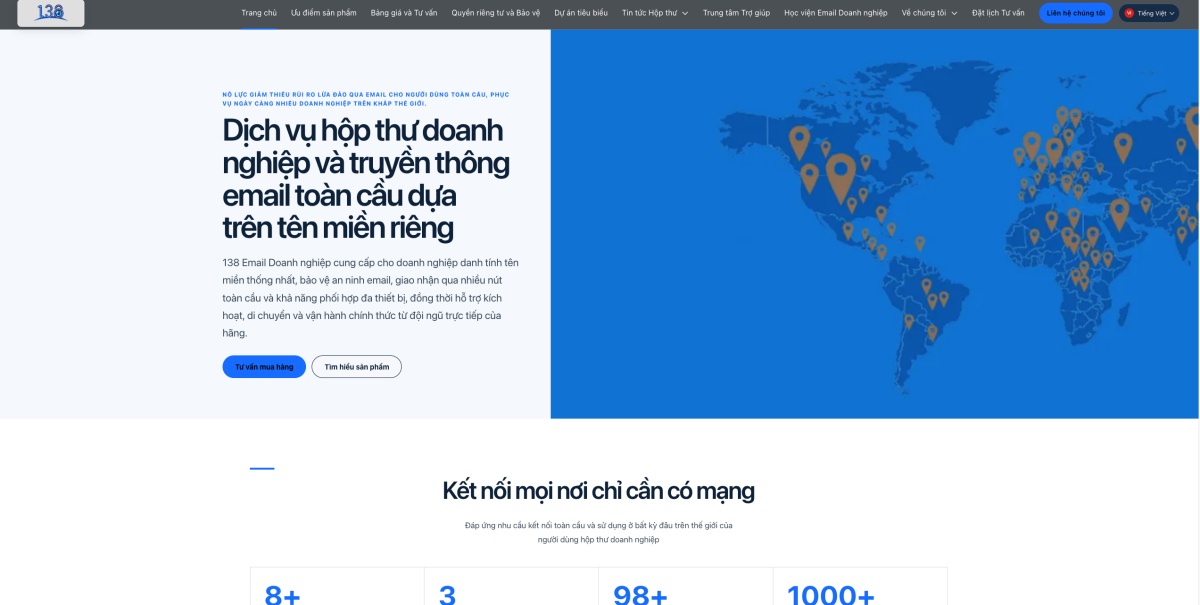
138 Enterprise Email | Vietnamese AI Digital Asset Website Case Study
An AI-driven digital asset website for enterprise email tailored to Vietnamese enterpris...
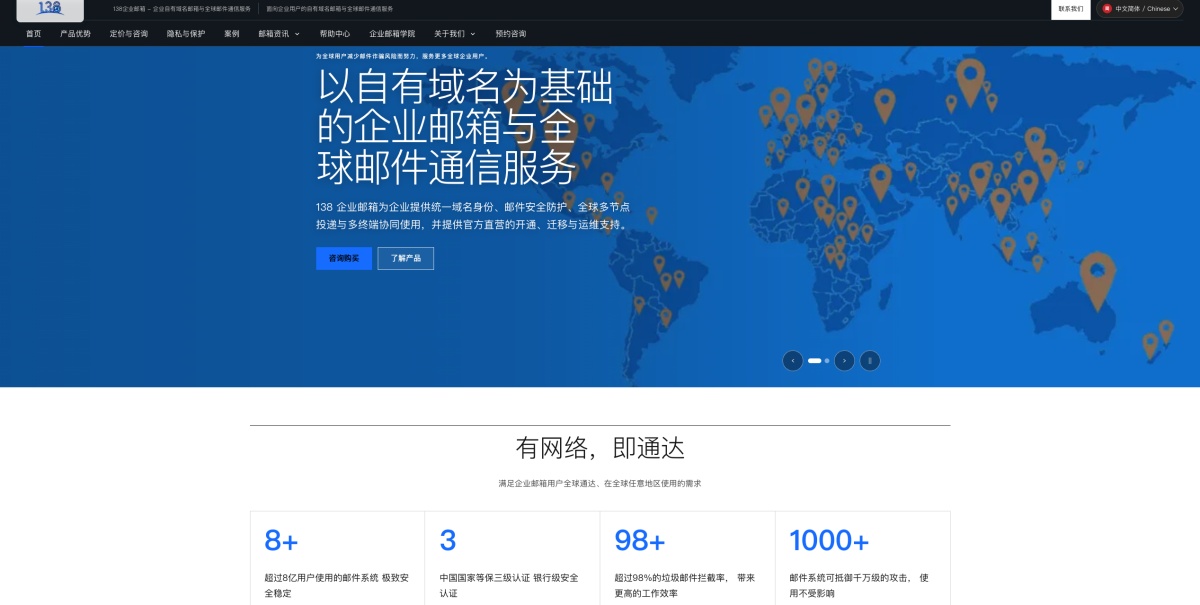
138 Enterprise Email | Chinese AI Digital Asset Website Case Study for Enterprise Services
Developed a Chinese AI digital asset website for an enterprise email service brand. By i...
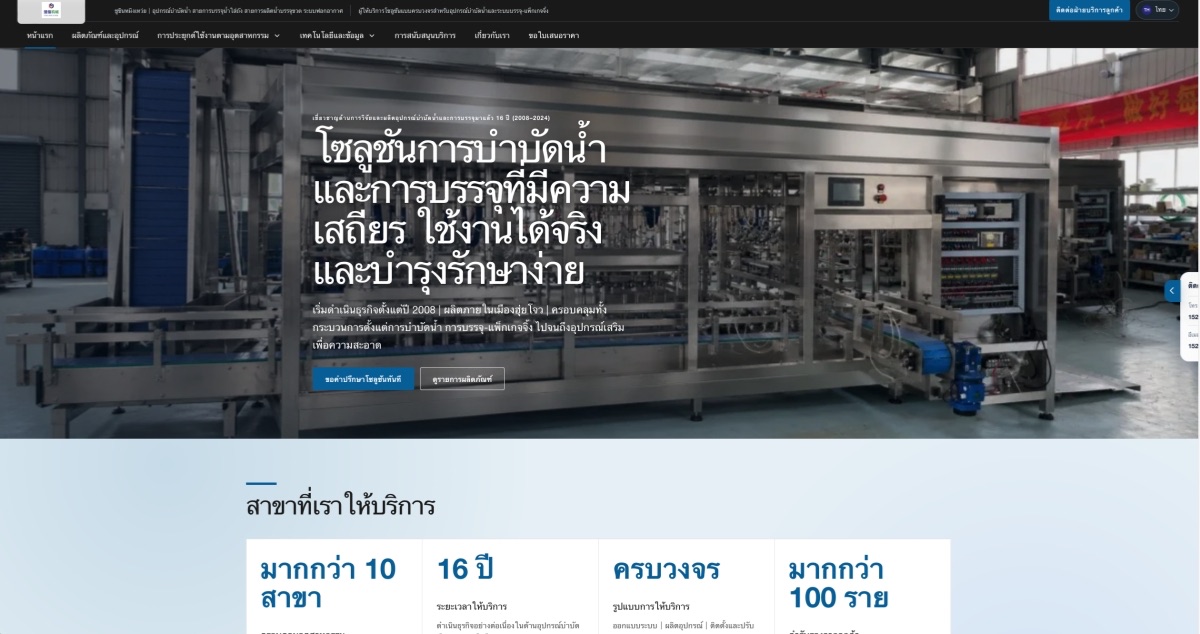
Water Treatment & Filling Equipment Manufacturer | Thai AI Digital Asset Website Case Study
Development of a Thai AI digital asset website for water treatment and filling equipment...