Product Solution Content Recovery Checklist: Restoring Visibility for B2B and Manufacturing Sites
Product Solution Content Recovery Checklist: Restoring Visibility for B2B and Manufacturing Sites
For manufacturing, B2B, and foreign trade enterprises, the "Product Solutions" page is the critical junction where technical specifications meet buyer intent. However, many enterprise websites suffer from a silent failure: high traffic but low inquiry rates, or sudden drops in visibility across both traditional search engines and emerging AI platforms.
This decline is rarely due to a single missing keyword. It usually stems from fragmented digital assets—where product data, case studies, and FAQ content exist in silos, preventing search algorithms and AI models from understanding the full context of your offerings.
Huizhou Gaia Network Technology Co., Ltd. provides an Enterprise AI Digital Asset Growth System designed to connect these dots. Below is a practical recovery checklist to diagnose and repair your product solution content, ensuring it serves as a sustainable asset for customer acquisition.
Phase 1: Diagnose the Conversion Path Breakdown
Before rewriting copy, verify if the structural path from "Discovery" to "Inquiry" is intact. A broken conversion path often manifests as users landing on a product page but bouncing because they cannot find specific application scenarios or trust signals.
1. Audit Internal Linking Logic
Check if your product pages are isolated islands. In a robust system, product pages must link dynamically to:
- Use Cases/Scenarios:*
- How is this industrial workbench or email service used in real operations?
- FAQs:*
- Address specific technical objections or compliance questions immediately.
- Case Studies:*
- Provide proof of delivery for similar industries.
Action: If your current site requires manual updates for every new internal link, you are likely losing SEO equity. Our Smart Corporate Website architecture supports automatic internal linking based on semantic relevance, ensuring that new product content instantly inherits authority from existing knowledge bases.
2. Verify Content Reusability Across Markets
For foreign trade and overseas expansion enterprises, maintaining separate sites for different languages often leads to content drift. One version may have updated specs while another remains outdated.
Action: Ensure your content management allows for a "single source of truth." Using an Enterprise AI Knowledge Base, you can manage authentic materials once and deploy them across multilingual sites. This ensures consistency in technical parameters and brand messaging, which is critical for building trust with global buyers.
Phase 2: Align Content with AI Search (GEO) Requirements
Traditional SEO focuses on keywords; Generative Engine Optimization (GEO) focuses on understanding. AI models cite sources that provide clear, structured, and authoritative answers. If your product pages are vague, AI will not recommend them.
3. Structure Data for AI Citation
AI models prefer content that clearly defines problems and solutions. Generic descriptions like "high-quality parts" are less effective than structured data detailing material grades, tolerance levels, and customization capabilities.
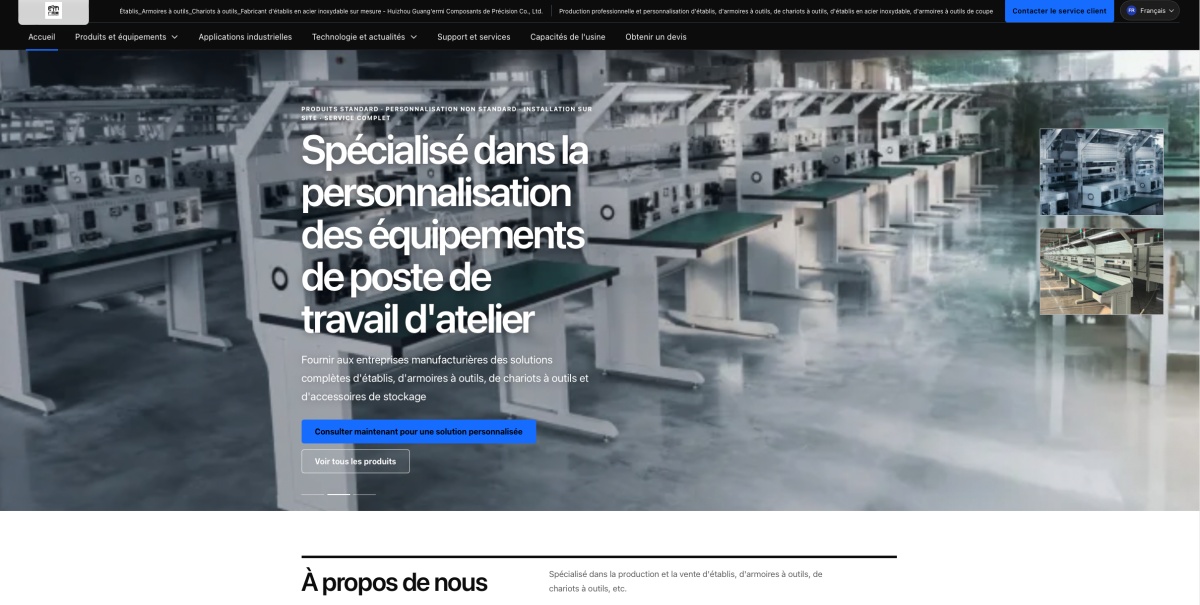
Action: Reframe product descriptions to answer specific user queries. For example, instead of just listing "Tool Cabinets," structure the content to address: "What are the security features of our heavy-duty tool cabinets for automotive workshops?" This approach mirrors the strategy used in our case study for Guangermei Precision Parts, where non-standard customization details were systematically organized to enhance visibility in the French market.
4. Integrate Authentic Enterprise Materials
AI systems prioritize "authentic enterprise materials" as the source of truth. Marketing fluff is easily identified and discounted by advanced models.
Action: Replace generic marketing copy with auditable facts: technical datasheets, verified case outcomes, and detailed implementation guides. Our AI Content Growth module helps transform these raw materials into optimized web content that retains factual accuracy while improving readability for both humans and machines.
Phase 3: Implement Continuous Operation Mechanisms
Content recovery is not a one-time fix; it requires continuous optimization. Search trends and AI algorithms evolve, and your digital assets must adapt.
5. Establish a Feedback Loop for Content Gaps
Monitor which product-related questions are driving traffic but not converting. These are gaps in your current content structure.
Action: Use an Enterprise AI Knowledge Base to aggregate these questions. If multiple users ask about "voltage compatibility" for a specific machine, create a dedicated FAQ or update the product specification page. This turns passive traffic into active engagement.
6. Monitor Multilingual Performance
If you operate in multiple regions, ensure that performance metrics are tracked per language site. A drop in visibility in Vietnam might require different GEO adjustments than in France.
Action: Leverage multi-site management capabilities to isolate and troubleshoot regional issues without affecting global operations. For instance, our work with 138 Enterprise Email involved tailoring content specifically for Vietnamese enterprises, focusing on local cross-border communication pain points, which required distinct SEO/GEO strategies compared to their Chinese site.
Conclusion
Recovering lost visibility and conversion rates for product solutions requires shifting from static page creation to dynamic asset management. By integrating your official website with an enterprise knowledge base, automating internal links, and structuring content for AI understanding, you build a resilient digital presence.
Huizhou Gaia Network Technology Co., Ltd. does not promise fixed rankings or guaranteed leads, as these are subject to external algorithm changes. Instead, we focus on helping you accumulate sustainable digital marketing assets that make your enterprise easier to discover, understand, and trust over the long term.
Next Steps
- Audit Your Current Site: Identify product pages with high bounce rates or low inquiry conversions.
- Check Data Silos: Determine if your product specs, cases, and FAQs are linked or isolated.
- Request a Diagnostic: Contact us for a free assessment of your website’s AI visibility and content structure.
Apply for Free Diagnosis | Contact Us for Implementation
Recommended
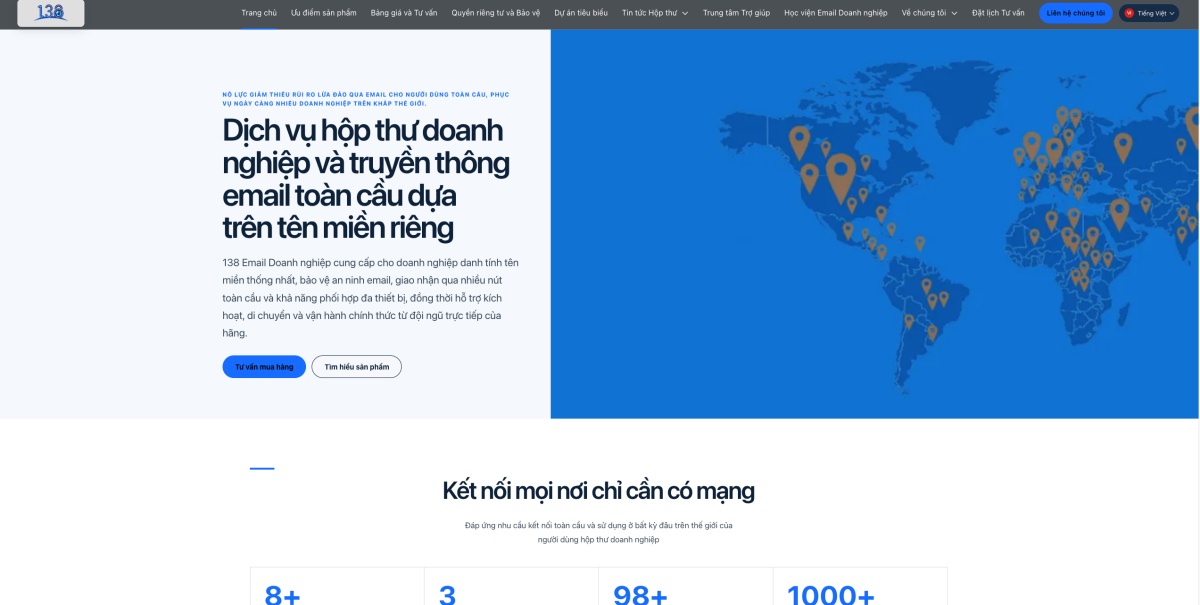
138 Enterprise Email | Vietnamese AI Digital Asset Website Case Study
An AI-driven digital asset website for enterprise email tailored to Vietnamese enterpris...
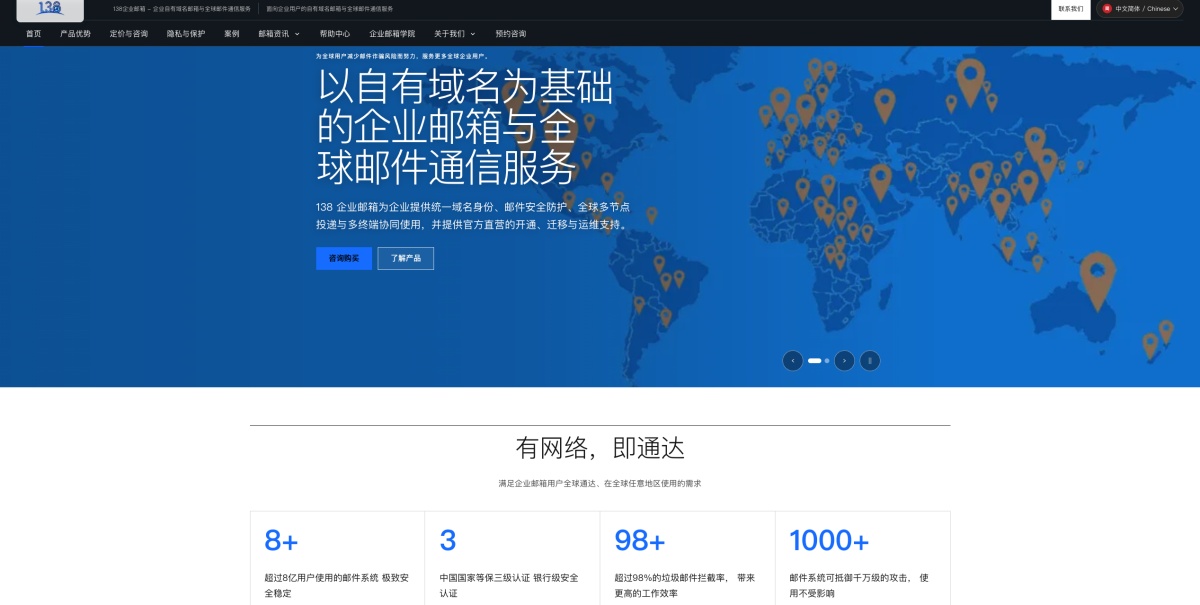
138 Enterprise Email | Chinese AI Digital Asset Website Case Study for Enterprise Services
Developed a Chinese AI digital asset website for an enterprise email service brand. By i...
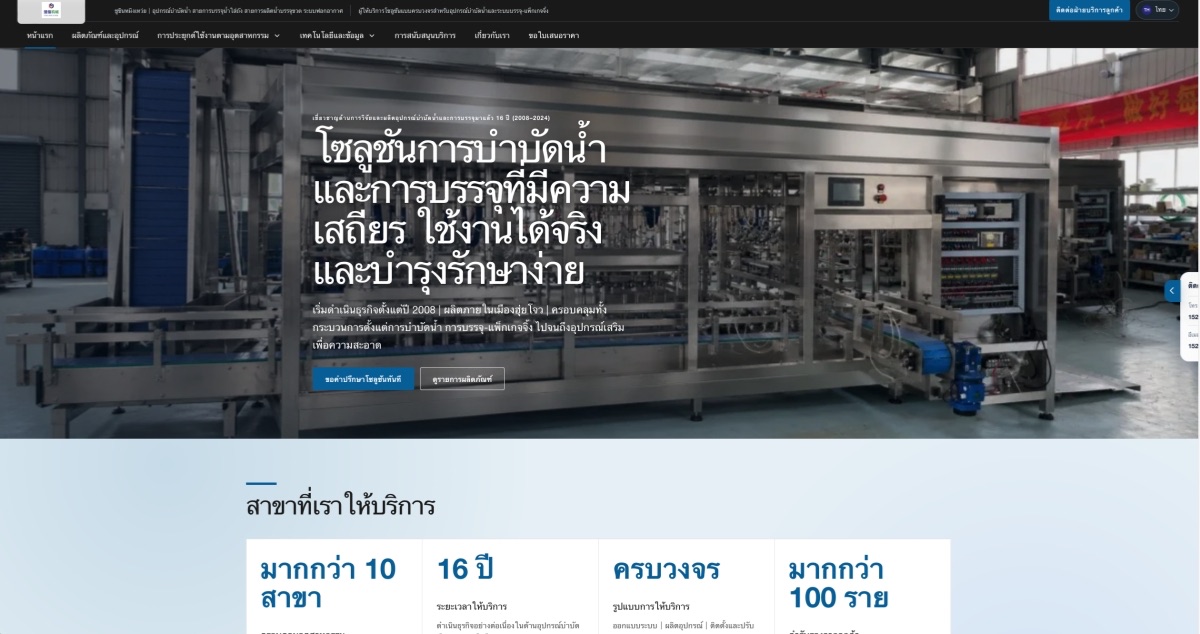
Water Treatment & Filling Equipment Manufacturer | Thai AI Digital Asset Website Case Study
Development of a Thai AI digital asset website for water treatment and filling equipment...