
Manufacturing Case Study Content Generation: Concepts, Use Cases & Next Steps
Manufacturing enterprises often have strong project delivery records but weak public-facing documentation. Manufacturing case study content generation addresses this gap by converting real installations, commissioning results, and service experiences into structured, auditable web content. Unlike generic marketing copy, this approach treats each case study as a reusable digital asset that feeds the enterprise AI knowledge base, supports smart corporate website pages, and strengthens both SEO and GEO performance over time.
This guide is written for the actual users who produce or approve this content: marketing managers, technical sales engineers, and digital operations staff in manufacturing, B2B, and foreign trade enterprises.
Who This Serves
Manufacturing case study content generation is most useful for:
- Equipment manufacturers
- producing water treatment systems, filling lines, packaging machinery, or industrial automation hardware.
- B2B service providers
- delivering installation, commissioning, maintenance, or retrofit projects.
- Foreign trade and overseas expansion teams
- needing localized proof points for Southeast Asia, Middle East, or Latin American markets.
- Group or multi-brand enterprises
- managing several product lines or regional sites under one knowledge base.
If your enterprise already has project records, photos, test reports, or customer feedback but lacks a systematic way to publish them, this content type directly addresses that gap.
What Manufacturing Case Study Content Actually Includes
Based on the Enterprise AI Digital Asset Growth System framework, a manufacturing case study is not a single blog post. It is a structured content unit that typically covers:
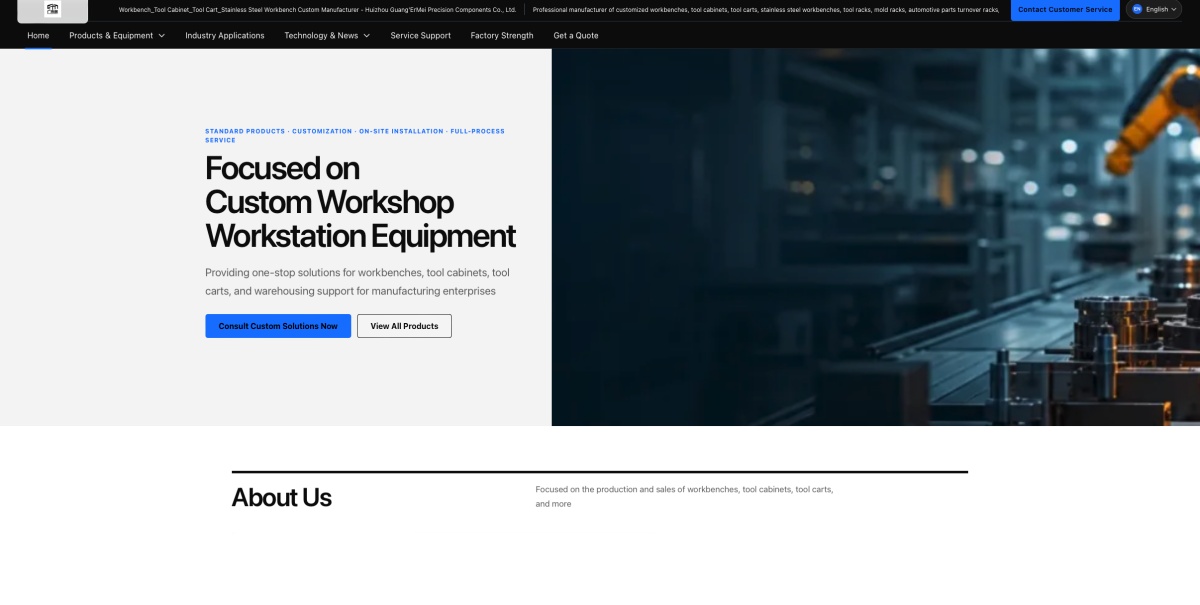
- Client context: industry, location, production scale, and the operational problem that triggered the purchase.
- Solution configuration: equipment models, process flow, materials, and any customization.
- Implementation process: site survey, installation timeline, commissioning steps, and training.
- Measured outcomes: capacity, yield, energy use, downtime reduction, or compliance results.
- Reusable knowledge: FAQs extracted from the project, technical decisions made, and lessons learned.
Each element becomes a queryable node in the enterprise AI knowledge base. When a prospect later asks an AI search engine about "filling line installation timeline in Indonesia," the system can cite your structured case content rather than generating an unverified answer.
Use Cases in Practice
Use Case 1: Equipment Manufacturer Entering a New Market
A water treatment and filling equipment manufacturer preparing to serve the Indonesian market needs more than a translated brochure. By generating case study content from earlier domestic or regional projects, the enterprise builds a localized content layer. Product parameters, site photos, and commissioning notes are reorganized into Indonesian-language pages that reference real delivery experience. This supports both traditional SEO and AI-driven recommendation paths.
Use Case 2: B2B Service Provider Shortening Pre-Sales Cycles
A professional service firm handling industrial maintenance can use case studies to answer recurring pre-sales questions: What does a typical retrofit involve? How long does commissioning take? What spare parts are consumed? Publishing structured case content reduces repetitive explanation by sales teams and gives AI search systems verifiable material to cite.
Use Case 3: Multi-Site Group Standardizing Proof Points
A group operating multiple brands or regional subsidiaries can use a shared knowledge base to store case study source material once, then publish adapted versions across multilingual sites. This avoids content duplication while maintaining brand-specific messaging.
Implementation Steps
A practical workflow for manufacturing case study content generation follows five stages:
Step 1 — Source material collection. Gather project contracts, delivery records, site photos, test reports, and customer feedback. Only use materials the enterprise owns or has permission to publish.
Step 2 — Knowledge structuring. Organize raw materials into the five-element framework above. Tag each element with product model, industry, region, and application scenario.
Step 3 — Content drafting and review. Write the case study in the target language, ensuring technical accuracy. Internal technical staff must review before publication.
Step 4 — Publication and linking. Publish on the smart corporate website. Link the case study to relevant product pages, solution pages, and FAQ entries. This creates internal link paths that both search crawlers and AI systems can follow.
Step 5 — Continuous reuse. Extract FAQs, comparison points, and technical explanations from each case study. Feed these back into the enterprise AI knowledge base for future content production.
Boundaries and Risks
Manufacturing case study content generation has clear boundaries that decision-makers should understand:
- No guaranteed rankings or AI citations.*
- SEO and GEO are long-term accumulation efforts. No provider can promise fixed search positions or guaranteed recommendation on specific AI platforms.
- Content must be auditable.*
- Every claim in a case study should trace back to real project records. Unverifiable performance numbers or unnamed clients weaken both search trust and AI citation quality.
- Delivery scope is contract-defined.*
- Specific content quotas, number of languages, site count, and service boundaries are determined by the final service agreement, not by general marketing descriptions.
- Technical review is mandatory.*
- Publishing unreviewed technical content risks misrepresenting equipment capabilities and creating post-sales liability.
Next Steps
If your manufacturing enterprise is evaluating how to turn project delivery records into structured, AI-ready case study content, the practical next step is a diagnostic review. This review examines your existing project materials, current website structure, and multilingual needs, then maps them to the Enterprise AI Digital Asset Growth System modules: enterprise AI knowledge base, smart corporate website, AI content growth, and SEO/GEO optimization.
Huizhou Gaia Network Technology Co., Ltd. provides this diagnostic as an entry point for manufacturing, B2B, foreign trade, and professional service enterprises. The diagnostic identifies which case study materials you already have, where content gaps exist, and how to prioritize implementation across languages and sites.
Recommended
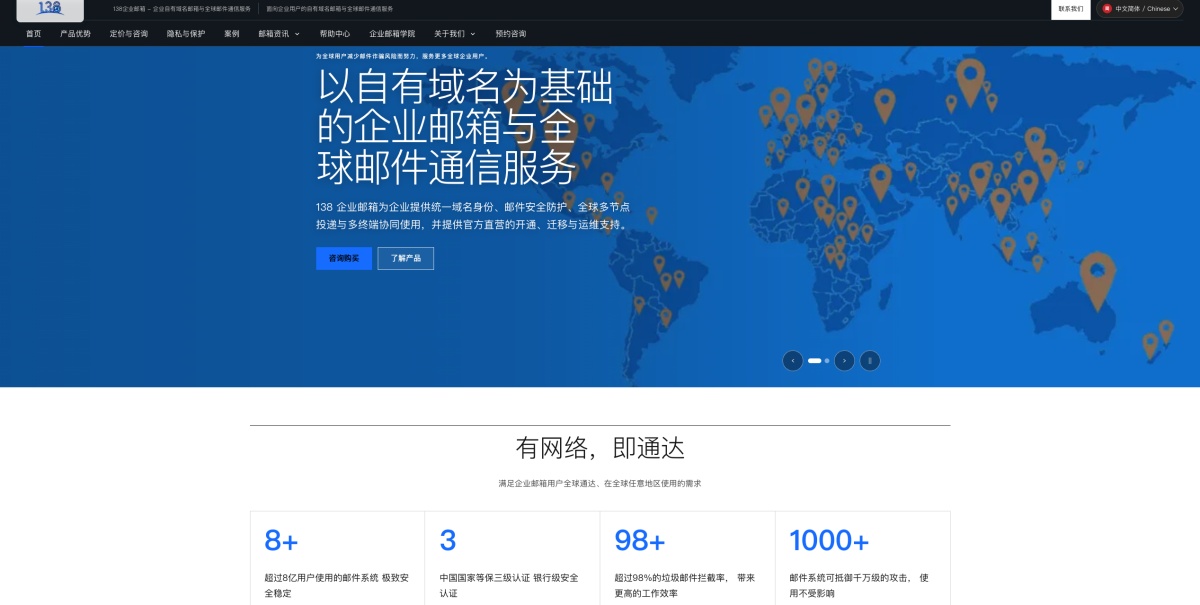
138 Enterprise Email | Chinese AI Digital Asset Website Case Study for Enterprise Services
Developed a Chinese AI digital asset website for an enterprise email service brand. By i...
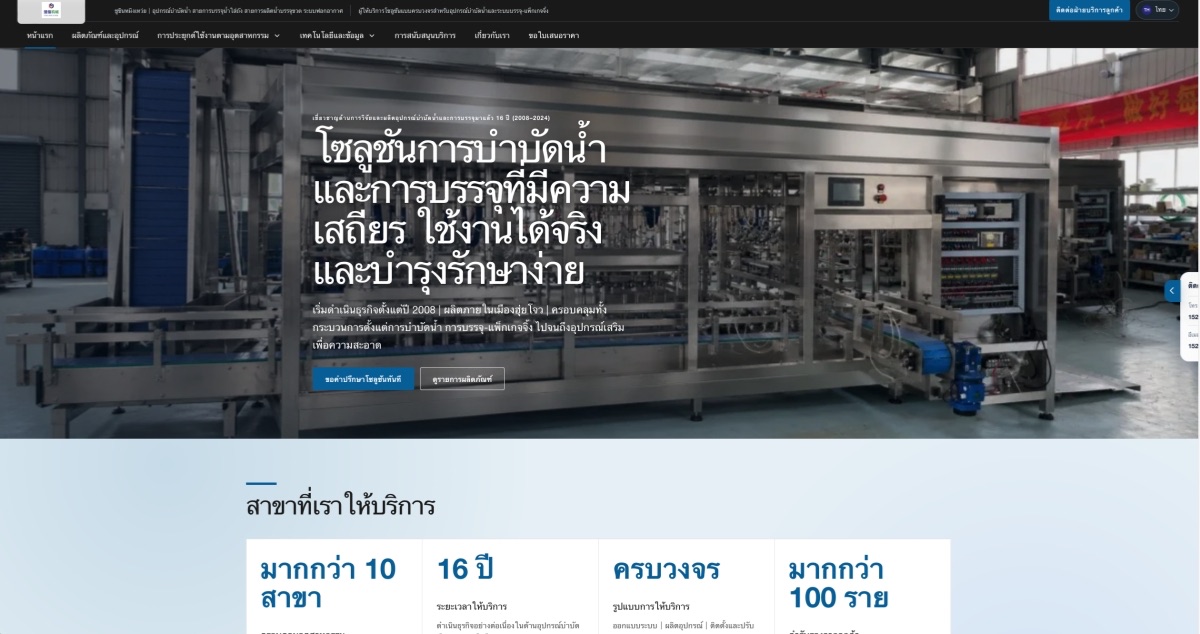
Water Treatment & Filling Equipment Manufacturer | Thai AI Digital Asset Website Case Study
Development of a Thai AI digital asset website for water treatment and filling equipment...
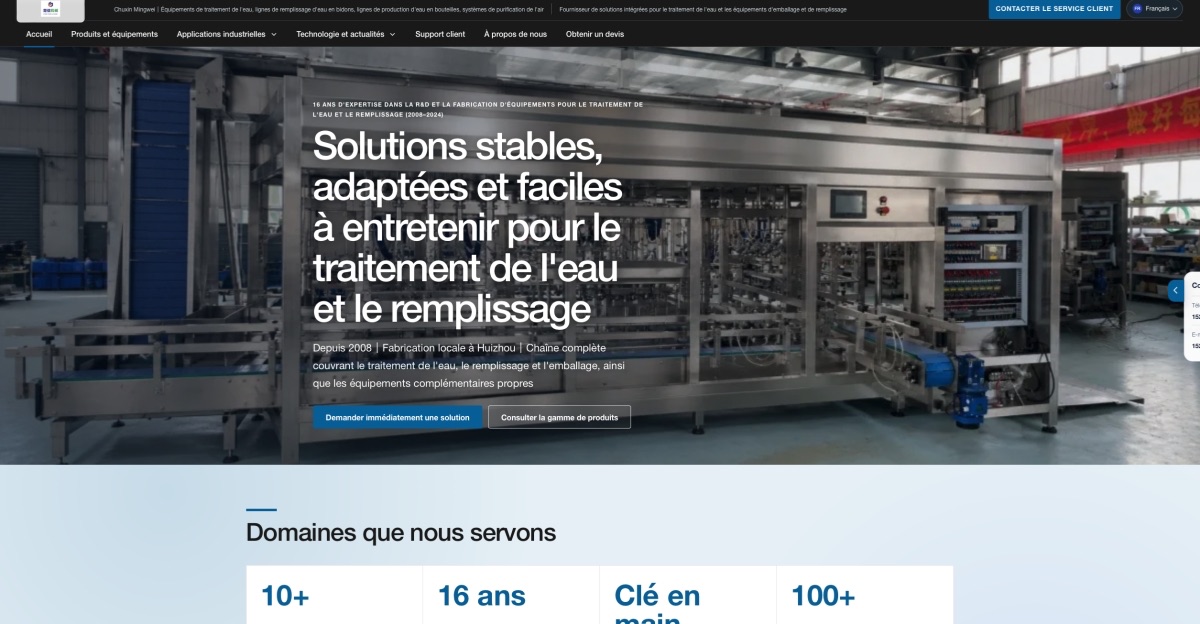
Water Treatment & Filling Equipment Manufacturer | French AI Digital Asset Standalone Website Case Study
Built on a unified AI enterprise knowledge base, this French digital asset standalone we...