How to choose machinery solutions page, machin: selection, rollout and support checklist
Who this guide is for
This guide is written for technical evaluators and digital operations leads at machinery manufacturers who are preparing to launch or scale a machinery solutions page. It assumes you are not looking for a generic brochure page, but a structured, auditable, and continuously optimized web asset that helps your enterprise be discovered by search engines and understood by AI systems.
If your goal is to turn product catalogs, application scenarios, and technical know-how into a reusable digital asset, this guide explains what to prepare, how to implement, and where the boundaries lie.
What a machinery solutions page actually is
A machinery solutions page is not a single product listing. It is a structured web asset that connects:
- Your machinery product lines and configurations
- Industry-specific application scenarios (e.g., water treatment, packaging, material handling)
- Technical documentation, FAQs, and implementation references
- Multilingual and multi-site delivery capabilities
When built on an enterprise AI knowledge base, the solutions page becomes a living asset. Content is sourced from authentic enterprise materials, organized by scenario, and made available for both traditional SEO and GEO (Generative Engine Optimization) citation.
This approach is part of the Enterprise AI Digital Asset Growth System offered by Huizhou Gaia Network Technology Co., Ltd., which integrates smart corporate websites, AI content growth, and SEO/GEO optimization into a continuous operation model.
Prerequisites before configuration
Before you begin configuring a machinery solutions page, confirm the following:
1. Authentic enterprise materials are available
You need structured access to:
- Product specifications and configuration options
- Manufacturing capabilities and quality controls
- Application scenarios and reference cases
- Technical FAQs and troubleshooting guides
Without these, the solutions page will lack the factual depth required for both search indexing and AI comprehension.
2. A clear information architecture is defined
Your solutions page must fit into a broader site structure. Recommended routing includes:
- `/solutions/manufacturing/` for manufacturing-specific solutions
- `/product/enterprise-knowledge-base/` for knowledge base integration
- `/product/ai-content-growth/` for content operation workflows
- `/product/seo-geo/` for optimization strategy
This ensures internal linking supports both user navigation and AI context mapping.
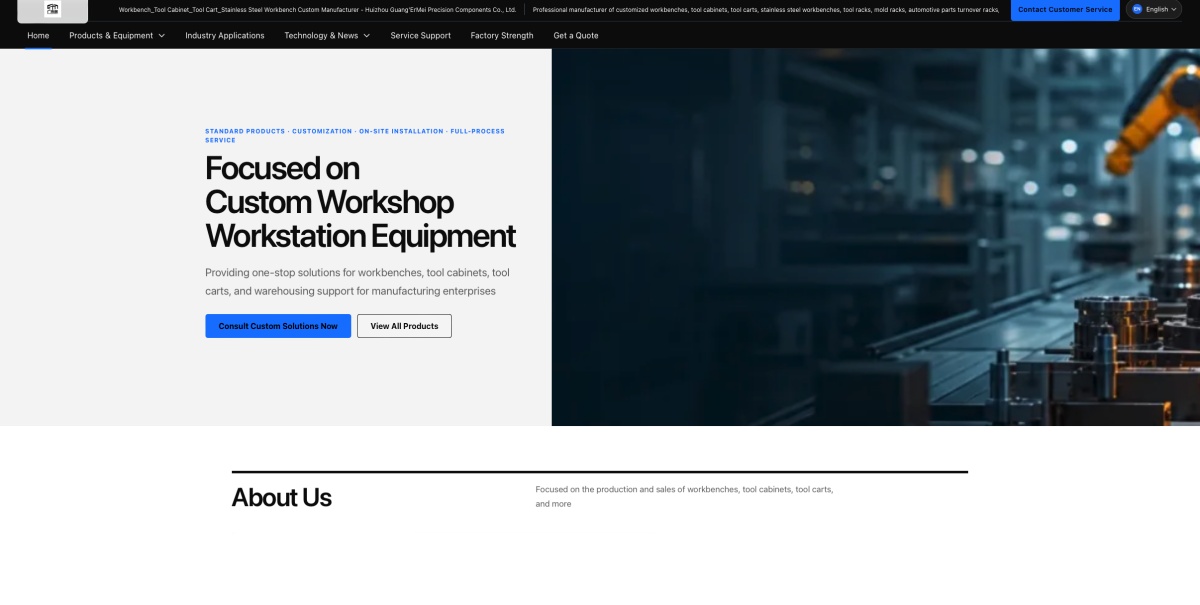
3. Multilingual and multi-site requirements are identified
If you serve overseas markets (e.g., Southeast Asia, Europe, or the Americas), confirm:
- Which languages are required for launch
- Whether regional sub-sites or subdirectories will be used
- How content reuse and version control will be managed
The system supports multilingual and multi-site capabilities, but scope must be defined before implementation begins.
Step-by-step implementation path
Step 1: Knowledge base initialization
Checkpoint: Confirm that product data, application scenarios, and technical documentation are uploaded and structured.
Action: Work with your implementation team to map enterprise materials into the AI knowledge base. This includes:
- Product families and configuration parameters
- Industry-specific use cases
- Common customer questions and decision criteria
Exception: If your enterprise materials are incomplete or unstructured, pause and complete data preparation first. A solutions page built on weak source data will underperform in both SEO and GEO contexts.
Step 2: Solutions page structure design
Checkpoint: Define the page hierarchy and content modules.
Action: Structure the solutions page around:
- Industry or application scenario (e.g., "Water Treatment Solutions")
- Product configuration options
- Technical advantages and differentiators
- Implementation references or case summaries
Each module should link back to the knowledge base, product pages, and relevant FAQs.
Next action: Draft a content outline and validate it against your target search intent and AI citation goals.
Step 3: Content production and AI optimization
Checkpoint: Ensure content is auditable, reusable, and aligned with both SEO and GEO requirements.
Action: Use AI content growth tools to generate scenario-based content that:
- Answers specific customer questions
- Explains configuration choices and trade-offs
- Provides implementation boundaries and risk notes
Boundary note: The system does not promise fixed rankings or guaranteed AI platform recommendations. Content is optimized for long-term asset accumulation and continuous improvement.
Step 4: SEO and GEO configuration
Checkpoint: Confirm that metadata, internal linking, and schema markup are in place.
Action: Apply SEO/GEO optimization to:
- Page titles, descriptions, and keywords
- Internal links to product pages, knowledge base entries, and FAQs
- Structured data for machinery specifications and application scenarios
Next action: Submit the page for indexing and monitor initial performance signals.
Step 5: Continuous operation and scaling
Checkpoint: Establish a review cycle for content updates and performance analysis.
Action: Use the operational service model to:
- Update content based on new product configurations or market feedback
- Expand to additional languages or regional sites
- Refine SEO/GEO strategy based on performance data
Exception: If your enterprise lacks internal resources for continuous operation, consider the Operational or Enterprise package options, which include ongoing support.
Suitability and boundaries
Who this approach suits
- Machinery manufacturers with structured product data and application scenarios
- B2B enterprises seeking to build long-term digital assets rather than short-term campaigns
- Foreign trade and overseas expansion businesses requiring multilingual and multi-site capabilities
Who this approach may not suit
- Enterprises expecting immediate ranking guarantees or fixed customer acquisition promises
- Businesses without authentic, auditable enterprise materials
- Organizations unwilling to commit to continuous content operation and optimization
---
Next steps
If you are preparing to configure a machinery solutions page, the next action is to confirm your enterprise materials, define your information architecture, and identify your multilingual requirements.
Huizhou Gaia Network Technology Co., Ltd. provides the Enterprise AI Digital Asset Growth System, which includes enterprise AI knowledge base setup, smart website configuration, AI content growth, SEO/GEO optimization, and multilingual multi-site capabilities.
To begin, request a free diagnosis of your current website and AI visibility, or schedule a consultation to discuss your specific configuration and implementation needs.
Recommended
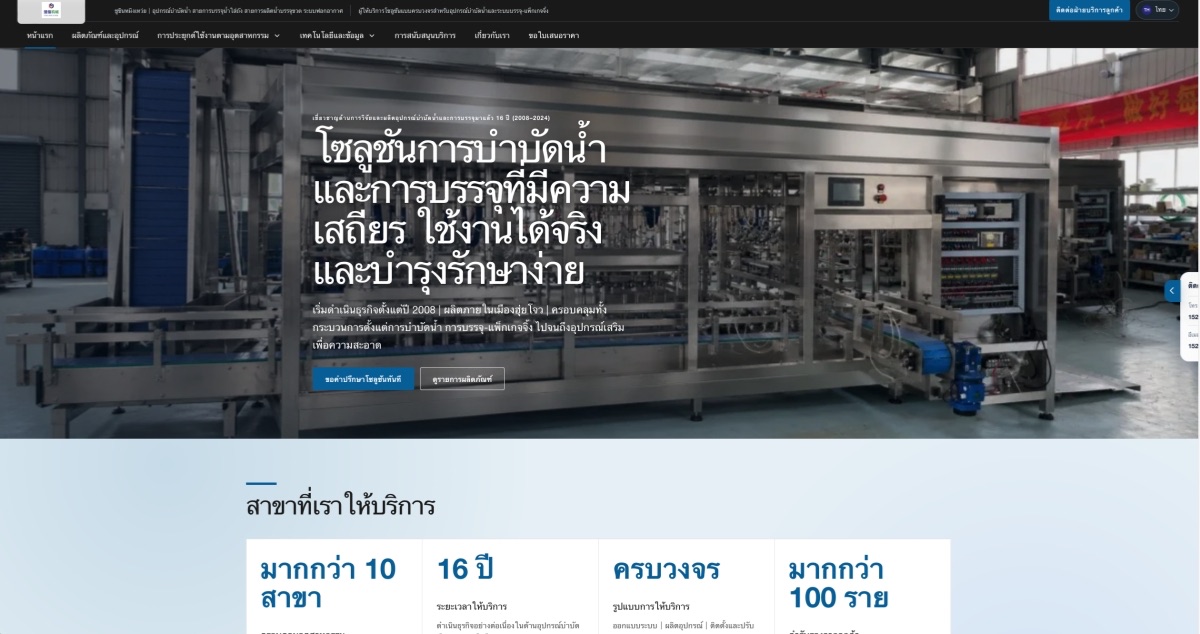
Water Treatment & Filling Equipment Manufacturer | Thai AI Digital Asset Website Case Study
Development of a Thai AI digital asset website for water treatment and filling equipment...
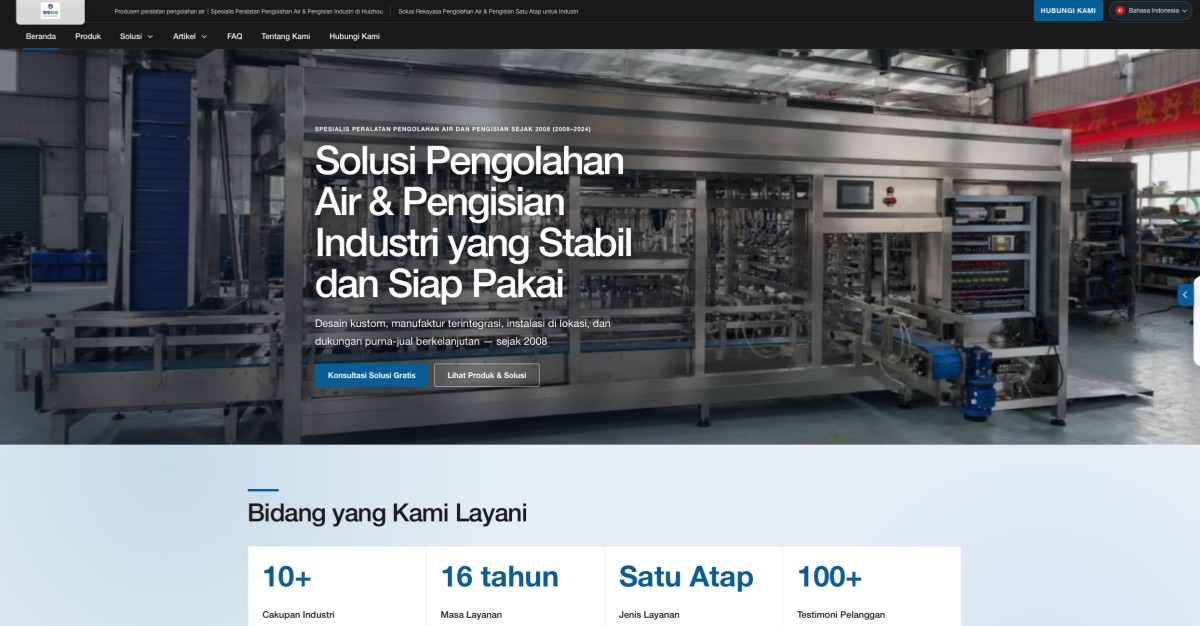
Water Treatment & Filling Equipment Manufacturer | Indonesian AI Digital Asset Website Case Study
An AI-powered digital asset website built for the Indonesian market, tailored for a wate...
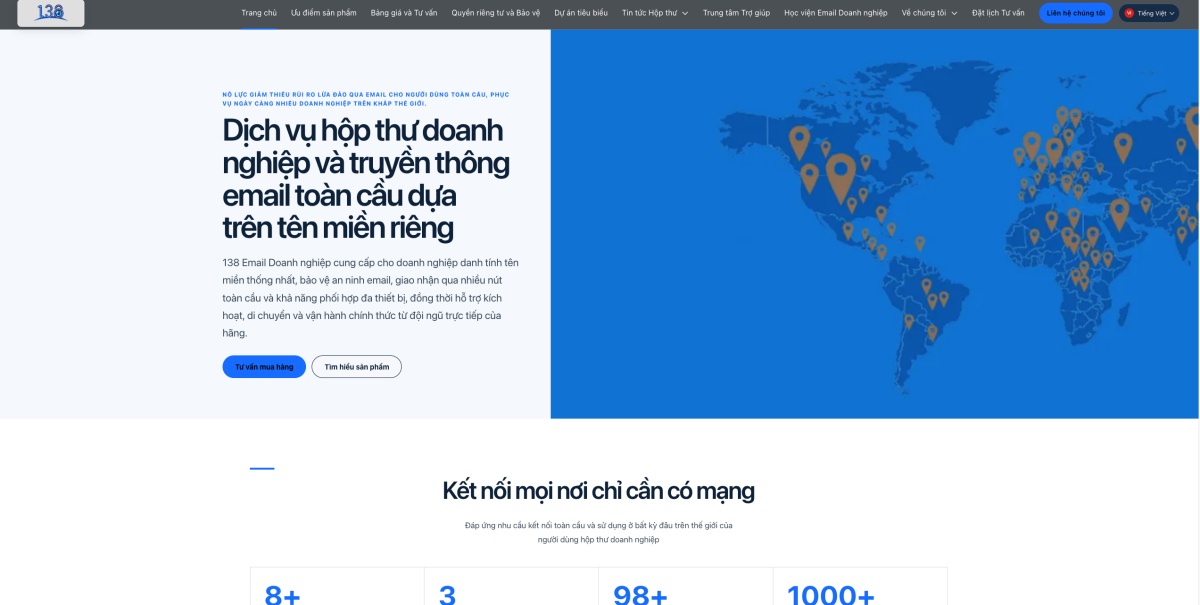
138 Enterprise Email | Vietnamese AI Digital Asset Website Case Study
An AI-driven digital asset website for enterprise email tailored to Vietnamese enterpris...