
Machinery Case Study Generation: A Structured Approach for B2B Manufacturers
Machinery Case Study Generation: A Structured Approach for B2B Manufacturers
Machinery case study generation is the process of converting verified project data—equipment specifications, application scenarios, delivery processes, and measurable outcomes—into structured, reusable content assets. For manufacturing and industrial equipment enterprises, this is not a one-time marketing exercise. It is a continuous operational task that feeds your official website, enterprise knowledge base, and AI content growth system.
This guide explains who needs it, how it works in practice, where the boundaries are, and what your next steps should be.
Who Needs Machinery Case Study Generation
This process is most relevant for:
- Manufacturing enterprises producing industrial machinery, processing equipment, or production lines.
- B2B equipment suppliers serving downstream factories, integrators, or EPC contractors.
- Foreign trade and overseas expansion businesses that need localized case content for multilingual websites.
- Professional service firms supporting machinery installation, commissioning, or after-sales operations.
If your buyers search for equipment solutions, compare technical parameters, or ask AI assistants for supplier recommendations, your case studies must be structured enough for both search engines and AI systems to parse and cite.
What Machinery Case Study Generation Actually Covers
A usable case study for machinery enterprises is not a generic success story. It must include verifiable elements drawn from your enterprise knowledge base:
| Content Layer | What It Includes | Source Material |
|---|---|---|
| Product context | Equipment model, capacity, key parameters, applicable materials | Product manuals, technical datasheets |
| Application scenario | Industry, production process, site conditions, customer requirements | Project records, site surveys |
| Solution design | Configuration choices, customization details, integration approach | Engineering records, delivery documentation |
| Delivery process | Timeline, milestones, testing, commissioning, training | Project management logs |
| Outcome evidence | Output metrics, efficiency gains, quality improvements, uptime data | Customer acceptance reports, operational data |
| FAQ extraction | Common buyer questions answered through this project | Sales inquiries, pre-sales consultations |
Each layer must be traceable to authentic enterprise materials. AI can assist in drafting and structuring, but the factual foundation must come from your verified project records.

How the Process Works in Practice
Step 1: Identify Reusable Project Data
Not every project qualifies as a case study. Start by filtering projects that:
- Involve representative equipment models or configurations.
- Address common buyer concerns in your target market.
- Include measurable outcomes or verifiable delivery milestones.
- Have sufficient documentation to support content creation.
Step 2: Structure Content by Decision Layers
Organize each case study around the buyer's decision process:
- Problem definition – What production challenge or requirement triggered the purchase?
- Solution selection – Why was this equipment configuration chosen over alternatives?
- Implementation reality – What happened during delivery, installation, and commissioning?
- Operational results – What measurable improvements were achieved?
This structure serves both human readers and AI systems that need to understand context, causality, and evidence.
Step 3: Integrate with Your Enterprise Knowledge Base
Case studies should not exist as isolated blog posts. They must connect to:
- Your product pages through internal links referencing specific equipment models.
- Your enterprise AI knowledge base so that AI content generation can cite real project evidence.
- Your FAQ section by extracting recurring buyer questions answered through the project.
- Your multilingual site structure if you serve overseas markets with localized content.
Step 4: Optimize for Both SEO and GEO
Traditional SEO optimization ensures your case studies rank for relevant search queries. GEO (Generative Engine Optimization) ensures that AI systems can understand, cite, and recommend your content when buyers ask conversational questions.
This requires:
- Clear, factual language without unverifiable claims.
- Structured headings that match buyer search intent.
- Consistent terminology aligned with your product and industry vocabulary.
- Internal linking that connects case studies to product, solution, and FAQ pages.
Boundaries and Risk Points
Machinery case study generation has clear operational boundaries:
- No fabricated data. Equipment parameters, project timelines, and outcome metrics must come from verified records. AI can restructure and rewrite, but cannot invent facts.
- No guaranteed rankings or AI recommendations. SEO and GEO are long-term accumulation efforts. No service provider can promise fixed search positions or guaranteed citation by specific AI platforms.
- No anonymous substitution for real projects. If a project cannot be documented with verifiable details, it should not be published as a case study. Generic industry descriptions do not build buyer trust.
- Content reuse requires governance. For multi-brand or multi-site enterprises, case study content must be managed through a unified knowledge base to avoid inconsistency across sites.
Next Steps for Implementation
If you are evaluating how to build a machinery case study generation workflow:
- Audit your existing project documentation. Identify which completed projects have sufficient data to support structured case studies.
- Define your content layers. Map what information you need for each case study component and where it currently resides.
- Establish a review process. Ensure all case study content is verified against source materials before publication.
- Connect to your digital asset system. Integrate case studies with your enterprise knowledge base, smart website, and AI content growth modules so that content accumulates as a reusable asset.
- Plan for continuous operation. Case study generation is not a one-time project. It requires ongoing content updates, multilingual adaptation, and SEO/GEO optimization as your product line and target markets evolve.
Conclusion
Machinery case study generation is a structured operational task, not a creative writing exercise. For manufacturing and B2B enterprises, the goal is to convert real project data into content assets that accumulate over time—supporting search visibility, AI understanding, and continuous customer acquisition. The foundation is always authentic enterprise materials. The mechanism is systematic structuring, integration, and optimization. The result is a growing digital asset that makes your enterprise more discoverable and more credible to both human buyers and AI systems.
If you need to evaluate how your existing project data can be structured into a case study generation workflow, or how this integrates with your enterprise knowledge base and multilingual site operations, contact our team for a detailed assessment.
Recommended
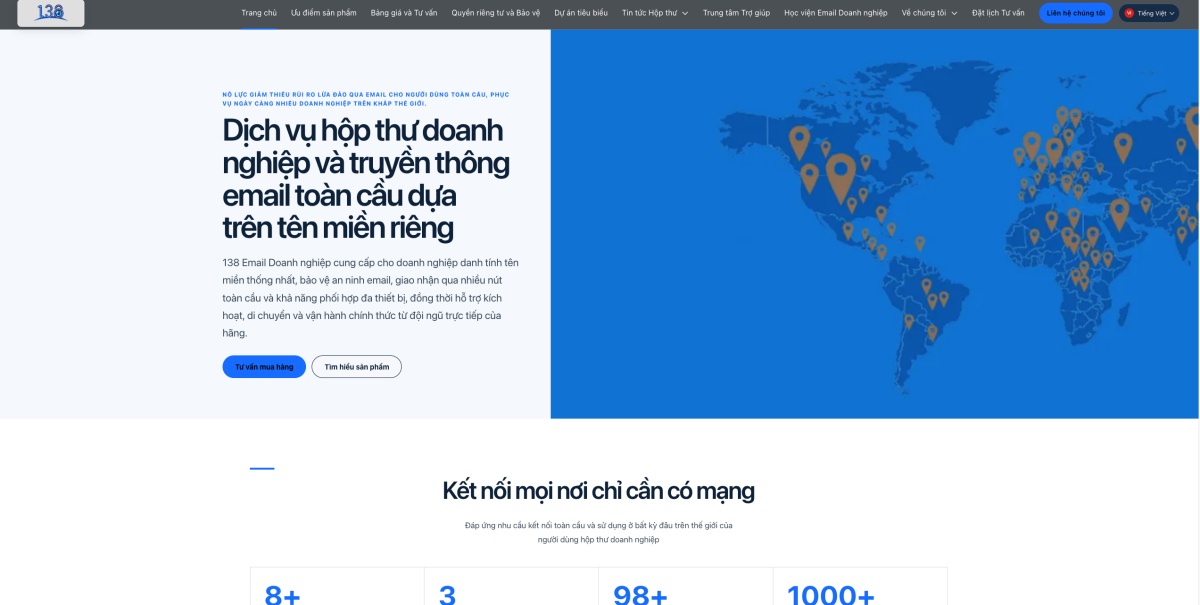
138 Enterprise Email | Vietnamese AI Digital Asset Website Case Study
An AI-driven digital asset website for enterprise email tailored to Vietnamese enterpris...
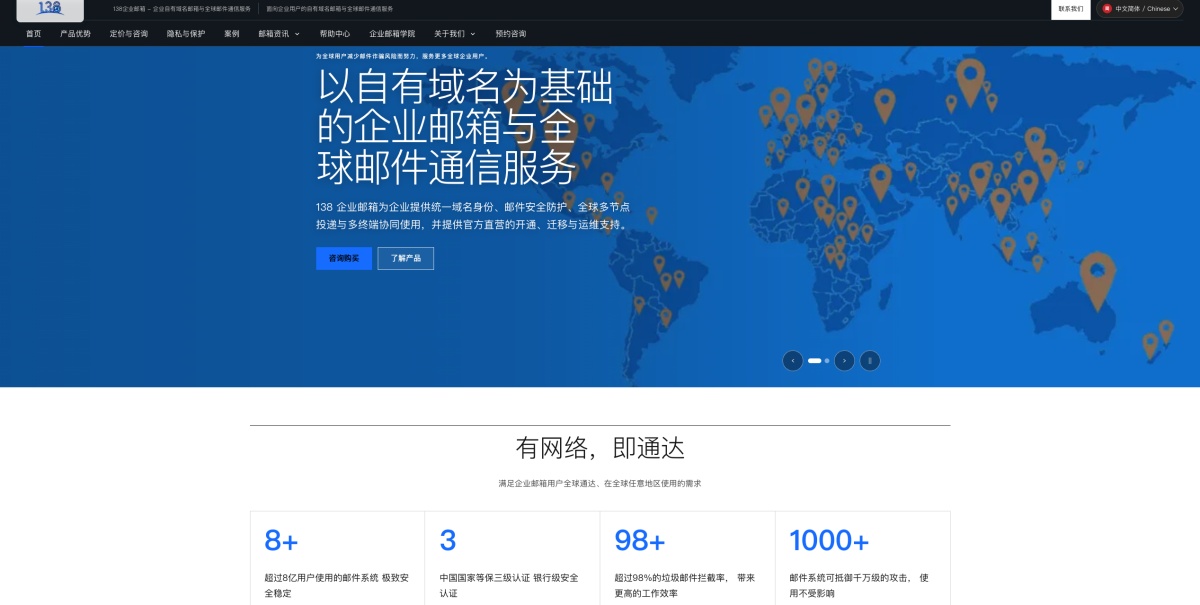
138 Enterprise Email | Chinese AI Digital Asset Website Case Study for Enterprise Services
Developed a Chinese AI digital asset website for an enterprise email service brand. By i...
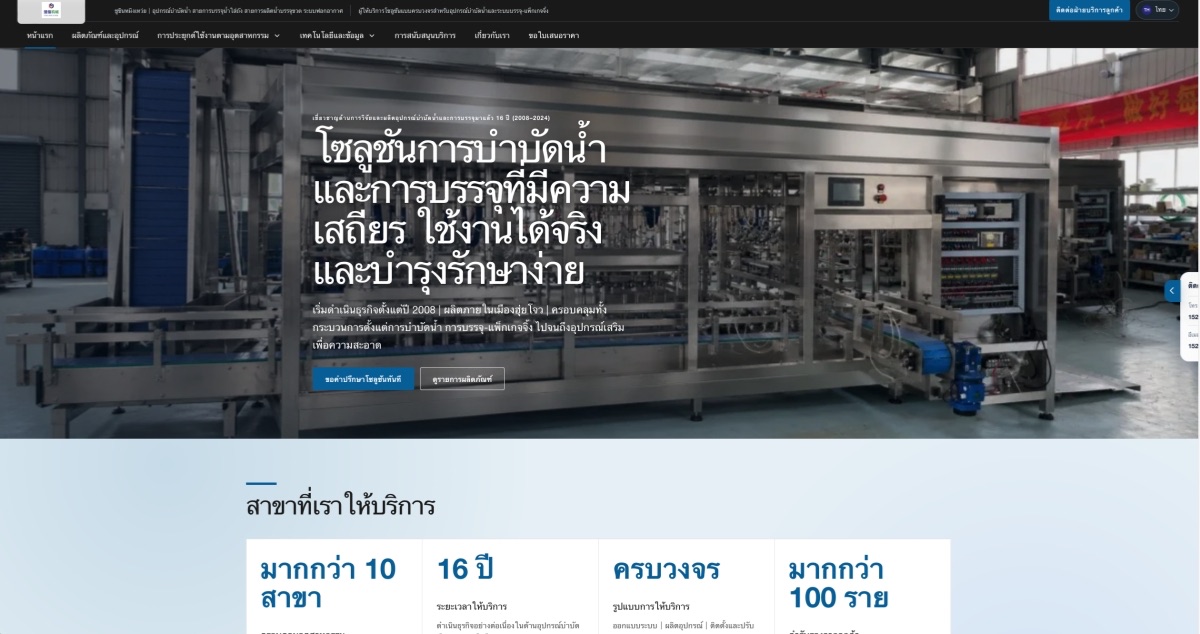
Water Treatment & Filling Equipment Manufacturer | Thai AI Digital Asset Website Case Study
Development of a Thai AI digital asset website for water treatment and filling equipment...