Machinery AI Content Generation: Concepts, Use Cases, and Next Steps
Why Machinery Manufacturers Need a Different Approach to AI Content
If you manufacture industrial equipment, your buyers do not make impulse purchases. They compare specifications, validate application scenarios, and check whether your factory can actually deliver what the datasheet promises. Generic AI content generation tools produce fluent text, but they cannot answer whether a specific pump model suits a high-salinity water treatment line or whether your CNC tolerance meets a buyer's engineering requirement. Machinery AI content generation, when done correctly, starts from your authentic enterprise materials—product catalogs, test reports, installation guides, service records—and converts them into structured, multilingual web content that search engines index and AI systems cite. The output is not "more blog posts." It is a growing digital asset that makes your company easier to find, easier to understand, and easier to trust.
What Machinery AI Content Generation Actually Means
At Huizhou Gaia Network Technology, we define machinery AI content generation as a structured workflow inside the Enterprise AI Digital Asset Growth System. It has three layers:
- Knowledge ingestion. Your existing product manuals, parameter sheets, application notes, and FAQ records are organized into an enterprise AI knowledge base. This becomes the single source of truth.
- Content production. AI drafts product pages, selection guides, application scenarios, case summaries, and FAQ answers based on that knowledge base. Every output is traceable back to the original material.
- Search and AI optimization. Content is structured for both traditional SEO indexing and GEO (Generative Engine Optimization) so that AI search systems can understand your capabilities and cite your pages when buyers ask relevant questions. The key constraint: AI improves efficiency, but your enterprise knowledge and professional judgment determine credibility. No content is published without review against real materials.
Who This Serves
Machinery AI content generation is most useful for:
- *Manufacturing enterprises
- that need to turn product catalogs and technical parameters into searchable product pages and industry solutions.
- *B2B equipment suppliers
- that want to reduce pre-sales explanation costs by publishing clear selection guides, comparison tables, and FAQ content.
- *Foreign trade and overseas expansion companies
- that must maintain multilingual sites where product information is consistent across languages but adapted to local search behavior.
- *Group or multi-brand operations
- that manage several sites and need a unified knowledge base to avoid duplicated or contradictory content. If your sales team repeatedly answers the same technical questions, or if your website content has not been updated in years, this approach directly addresses those gaps.
Practical Use Cases in Machinery
Product Page Generation
A water treatment equipment manufacturer provided product manuals covering five pump series. The system generated individual product pages for each model, including specifications, application scenarios, material compatibility notes, and common procurement questions. Each page links back to the knowledge base entry, so updates to the source material automatically flag pages that need revision.
Selection Guide and Comparison Content
Buyers often search for "how to choose a filling machine for viscous liquids" rather than a specific model number. AI content generation produces selection guides that map customer requirements (viscosity, container size, speed) to your product lineup, positioning your equipment as the logical answer.
Multilingual Site Rollout
A machinery exporter needed Indonesian, English, and Spanish versions of the same product catalog. The knowledge base ensures that technical parameters remain identical across languages, while expression and structure adapt to local search patterns. This avoids the common problem of direct translation producing technically correct but search-invisible pages.
FAQ and Pre-Sales Content
Technical buyers search for answers before they contact suppliers. Publishing structured FAQ content—covering delivery cycles, customization boundaries, installation requirements, and after-sales service scope—captures inquiry-ready traffic and reduces repetitive sales inquiries.
Boundaries and Risks to Understand
Machinery AI content generation is not a shortcut to guaranteed rankings or guaranteed inquiries. Specific boundaries include:
- *No fixed ranking promises.
- SEO and GEO are long-term accumulation efforts. Content quality, site structure, and continuous operation determine results over months, not weeks.
- *No guaranteed AI platform recommendations.
- AI search systems update their models and citation logic frequently. We optimize for understandability and auditability, not for placement on any specific AI platform.
- *Content must be verifiable.
- If your enterprise cannot provide authentic product parameters, application records, or service documentation, AI generation will produce generic text that damages credibility rather than building it.
- *Delivery scope is contract-defined.
- Specific content quotas, number of languages, service boundaries, and delivery cycles depend on the agreed package (Basic, Operational, or Enterprise) and are confirmed in the final contract.
Implementation Steps
- Audit existing materials. Collect product manuals, parameter sheets, case records, and FAQ logs. Identify gaps where information exists only in salespeople's heads.
- Build the knowledge base. Structure materials into the enterprise AI knowledge base with clear categorization by product line, application scenario, and customer question type.
- Generate and review content. AI drafts product pages, guides, and FAQ content. Your technical team reviews for accuracy before publication.
- Deploy on smart website. Content is published on a multilingual, multi-site capable smart corporate website with proper SEO structure and hreflang tags.
- Operate continuously. Update knowledge base entries as products change, regenerate affected pages, and monitor search and AI citation performance.
Next Steps
If your machinery business needs to convert technical materials into a growing digital asset that search engines and AI systems can understand, the first step is a diagnostic review of your current website content and knowledge base readiness. Huizhou Gaia Network Technology provides this diagnostic as part of the Enterprise AI Digital Asset Growth System engagement, helping you identify which materials to prioritize, which content gaps to close first, and which package structure fits your site count, language needs, and operational capacity.
Recommended
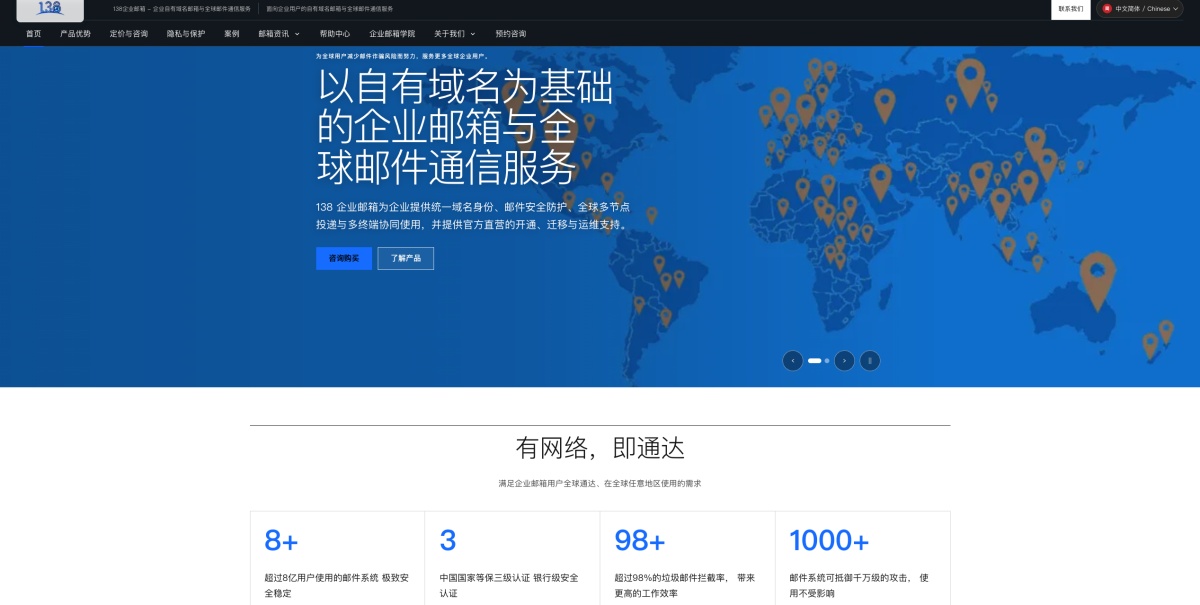
138 Enterprise Email | Chinese AI Digital Asset Website Case Study for Enterprise Services
Developed a Chinese AI digital asset website for an enterprise email service brand. By i...
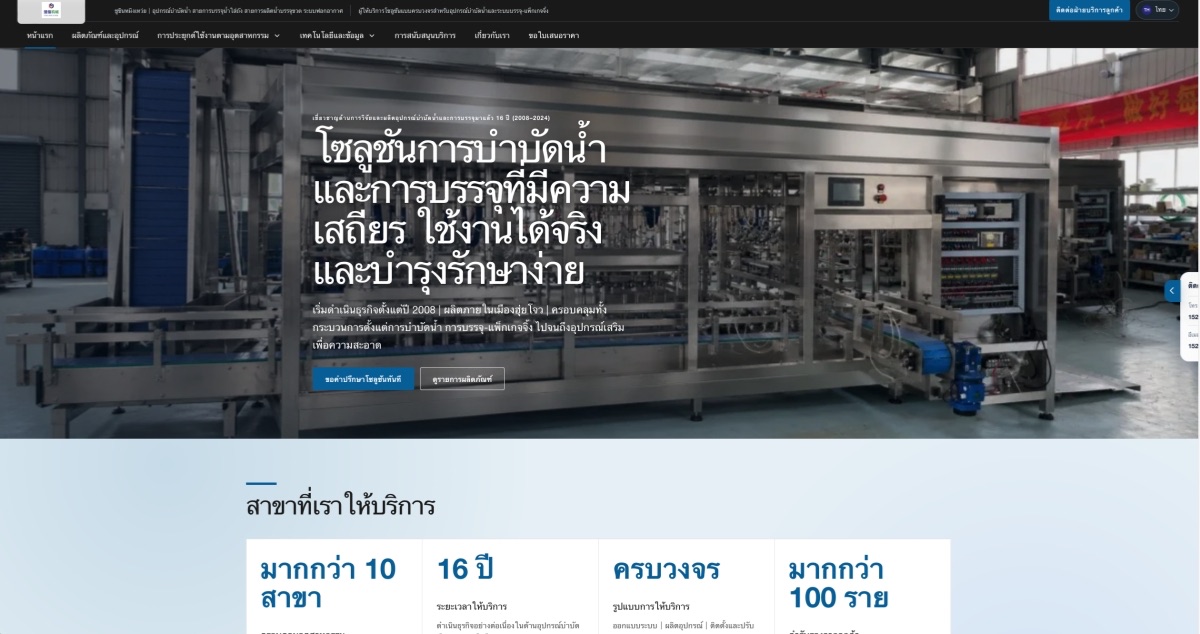
Water Treatment & Filling Equipment Manufacturer | Thai AI Digital Asset Website Case Study
Development of a Thai AI digital asset website for water treatment and filling equipment...
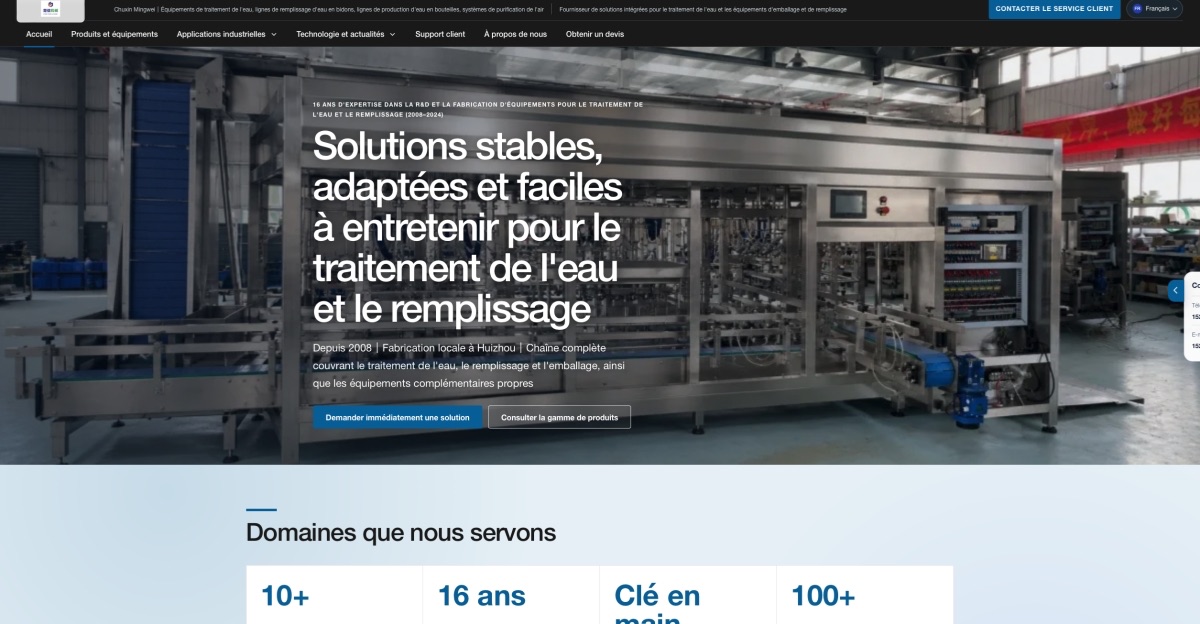
Water Treatment & Filling Equipment Manufacturer | French AI Digital Asset Standalone Website Case Study
Built on a unified AI enterprise knowledge base, this French digital asset standalone we...