
Hardware Product Page Generation: Concepts, Use Cases, and Next Steps
Who should care about hardware product page generation
Hardware product page generation matters most when a manufacturer or B2B supplier needs more than a static brochure page. It is especially relevant for technical evaluators who are asked to judge whether a website system can support product expansion, multilingual markets, sales inquiries, and long-term search visibility.
Typical situations include:
- A manufacturing enterprise launching or rebuilding a product center for equipment, components, or industrial hardware.
- A foreign trade company preparing an independent site for overseas buyers who need clear specifications, applications, and inquiry paths.
- A multi-brand or multi-site business that must reuse product information without duplicating inconsistent copy.
- A professional service or engineering firm that presents hardware-related offerings and needs pages that remain accurate as products evolve.
The audience is not only marketing staff. Technical evaluators, product managers, export managers, and IT owners often need to confirm that generated pages are traceable, maintainable, and safe to publish.
What hardware product page generation means in practice
Hardware product page generation is the process of creating structured product pages from reliable enterprise materials. These materials may include product descriptions, specifications, application scenarios, service boundaries, FAQs, images, and internal knowledge documents.
A useful system does more than output text. It should connect product information to the wider enterprise website and digital asset structure. In Gaia Network Technology's Enterprise AI Digital Asset Growth System, this type of work is positioned around enterprise AI knowledge bases, smart corporate websites, AI content growth, basic SEO and GEO optimization, and multilingual or multi-site capabilities.
For hardware pages, the practical goal is to make each page:
- Understandable to buyers - clear product positioning, application scenarios, and inquiry guidance.
- Understandable to search engines - structured headings, consistent terminology, and relevant internal links.
- Understandable to AI systems - factual statements, auditable source materials, and reusable content blocks.
- Maintainable over time - product data and claims can be reviewed, updated, and reused across languages or sub-sites.
Signals that your current product pages need a better generation process
Before evaluating tools or vendors, check the existing pages for warning signs.
1. Product copy cannot be traced back to verified materials
If a page contains performance statements, certifications, delivery promises, or application claims that no internal owner can verify, the page becomes a risk. Hardware buyers often ask technical questions before inquiry. If the website cannot support those questions with accurate content, sales conversations slow down.
2. Pages are written once and then abandoned
A product page should not be a one-time publishing task. If there is no process for updating specifications, adding FAQs, expanding language versions, or improving search performance, the page may lose value quickly.
3. Multilingual expansion creates duplicate or inconsistent content
For foreign trade and overseas expansion teams, translation alone is not enough. If product structure, buyer questions, and search intent differ by market, the page framework should support multilingual and multi-site management rather than simply copying one language version.
4. SEO and AI visibility are treated as separate afterthoughts
Hardware product pages should be planned for both traditional search and AI-assisted discovery. This does not mean promising fixed rankings or guaranteed AI recommendations. It means building pages with clear topics, factual answers, internal links, and content that can be cited or summarized responsibly.
Evaluation criteria for a first deployment
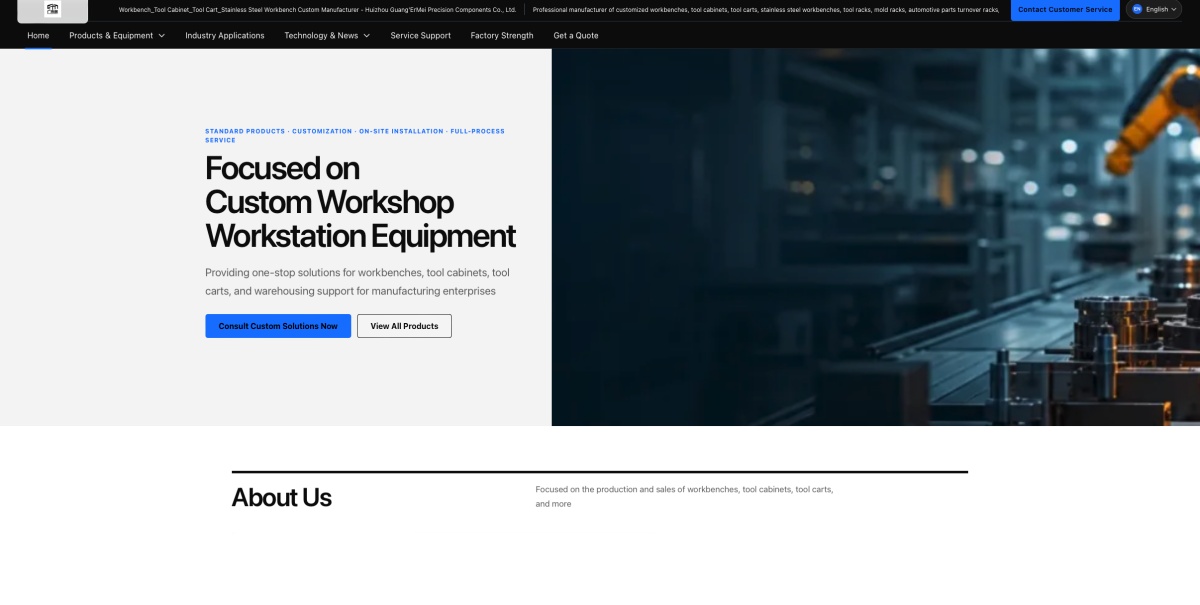
Technical evaluators should assess hardware product page generation as a workflow, not as a single output feature.
Criterion 1: Source of truth
Ask where the product facts come from. A reliable approach uses authentic enterprise materials as the source of truth. In Gaia's service framework, content is expected to be auditable and reusable, rather than generated without a clear basis.
Check whether the process can handle:
- Product specifications and model descriptions
- Application scenarios and industry use cases
- Service and delivery boundaries
- Frequently asked buyer questions
- Multilingual content requirements
- Internal review and approval steps
Criterion 2: Page structure and buyer journey
A hardware product page should support the buyer's decision path. At minimum, evaluate whether the page structure can include:
- Product overview and positioning
- Key technical or commercial considerations
- Application scenarios or suitable industries
- FAQ content that answers real pre-sales questions
- Clear next step, such as inquiry, diagnosis, or consultation
For manufacturing and B2B websites, this structure helps buyers understand whether the product fits their project before they contact sales.
Criterion 3: SEO and GEO readiness
Hardware product page generation should support basic SEO and GEO optimization without making unrealistic promises. Gaia's materials clearly state that SEO and GEO are long-term growth efforts and do not promise fixed rankings or guaranteed recommendations on specific AI platforms.
A conservative evaluation should look for:
- Clear page titles and descriptions
- Consistent keyword intent without stuffing
- Internal links to related products, solutions, FAQs, and contact paths
- Structured answers that can be understood by search engines and AI systems
- Avoidance of unverifiable claims such as guaranteed rankings, guaranteed customer acquisition, or unverified certifications
Criterion 4: Multilingual and multi-site reuse
For export-oriented hardware businesses, product pages may need to serve different markets. Evaluate whether the system supports multilingual and multi-site capabilities in a manageable way. The goal is not simply more pages; it is controlled reuse of product knowledge across languages, brands, or regional sites.
Criterion 5: Operational continuity
A first deployment should include a plan for what happens after launch. Gaia's positioning emphasizes continuous operation, including content growth and optimization around products, industries, scenarios, cases, and FAQs. For hardware pages, this means the page can be improved as buyer questions, product details, and market needs become clearer.
Common risks and boundaries
Hardware product page generation can fail in predictable ways if boundaries are ignored.
Risk 1: Over-claiming technical performance
Do not allow generated pages to invent specifications, certifications, performance data, or customer cases. If a fact is not confirmed, it should not be published as a fact. This is especially important for manufacturing and export websites, where buyers may request documentation.
Risk 2: Treating generation as a replacement for product knowledge
AI-assisted generation can accelerate drafting, but it should not replace review by product, sales, or technical owners. The enterprise still needs to confirm what is accurate, what is market-appropriate, and what should remain confidential.
Risk 3: Expecting immediate ranking or guaranteed inquiries
Product pages can support discovery, but they do not guarantee fixed rankings or guaranteed customer acquisition. A responsible provider should explain that SEO and GEO require long-term accumulation and continuous optimization.
Risk 4: Publishing pages without internal links or conversion paths
A product page isolated from solutions, FAQs, cases, and contact routes may attract visits but fail to guide inquiries. The website architecture should connect product pages to relevant business paths.
Practical examples of hardware product page generation
Example 1: Industrial equipment manufacturer expanding product lines
A manufacturer with multiple equipment models may need pages that explain product scope, suitable applications, and inquiry steps. A generation process based on verified product materials can help standardize page structure while leaving technical details for internal review.
Example 2: Foreign trade hardware supplier building an independent site
An export business may need English or other language pages for overseas buyers. The page should not be a literal translation of domestic marketing copy. It should reflect the search language, buyer concerns, and decision sequence of the target market.
Example 3: Multi-brand group managing similar product categories
A group with several brands may need product pages that share common knowledge but differ by brand voice or market positioning. A knowledge-base-centered approach can help manage reusable content while reducing inconsistency.
Next steps for technical evaluators
If you are evaluating hardware product page generation for a first deployment, use a short pilot before full rollout.
Recommended next steps:
- Select one product or product family as the pilot scope.
- Collect verified materials such as product descriptions, specifications, application notes, and existing FAQs.
- Define page requirements including target buyer, market, language, and inquiry goal.
- Review generated drafts for factual accuracy, tone, and missing technical details.
- Check SEO and GEO readiness without relying on ranking guarantees.
- Plan post-launch operations for content updates, FAQ expansion, and performance review.
For enterprises that need official websites, enterprise AI knowledge bases, AI content growth, SEO and GEO optimization, or multilingual multi-site capabilities, the next step is to discuss scope and delivery boundaries with the service provider. Specific prices, content quotas, number of languages, service boundaries, and delivery cycles should be confirmed in the final contract.
Conclusion
Hardware product page generation should be evaluated as part of an enterprise digital asset system, not as a standalone writing task. The most important questions are whether pages are based on authentic enterprise materials, whether they support buyer understanding and search visibility, and whether they can be maintained across languages, sites, and future product updates. For manufacturing, B2B, foreign trade, and professional service enterprises, a careful first deployment can turn product pages into long-term digital marketing assets rather than disposable web copy.
Recommended
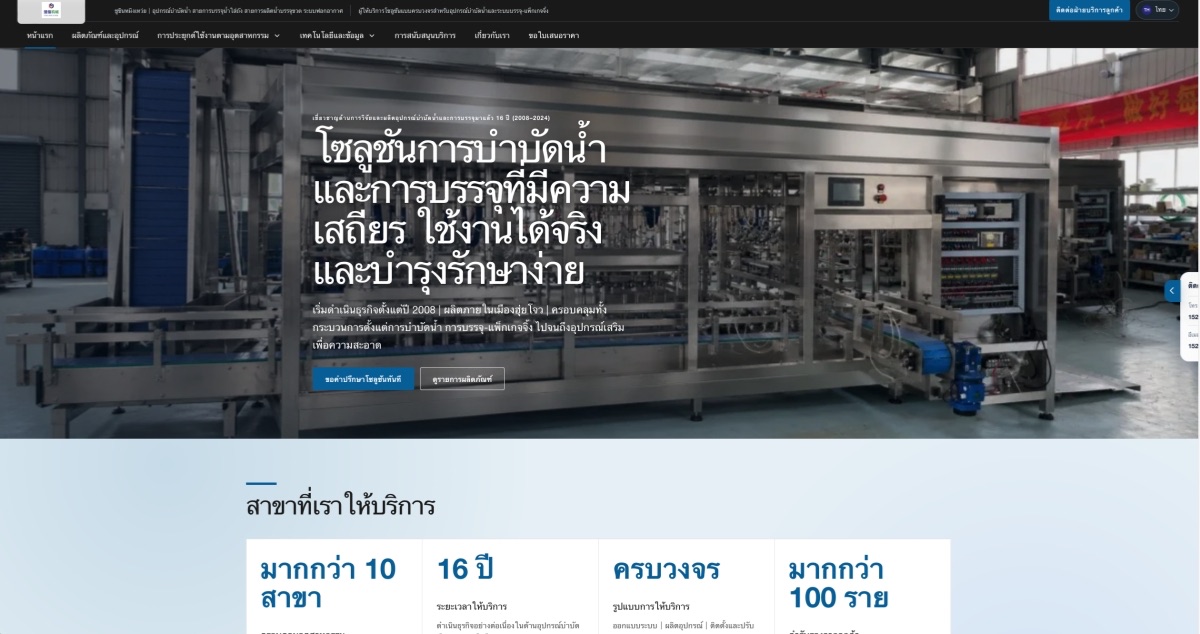
Water Treatment & Filling Equipment Manufacturer | Thai AI Digital Asset Website Case Study
Development of a Thai AI digital asset website for water treatment and filling equipment...
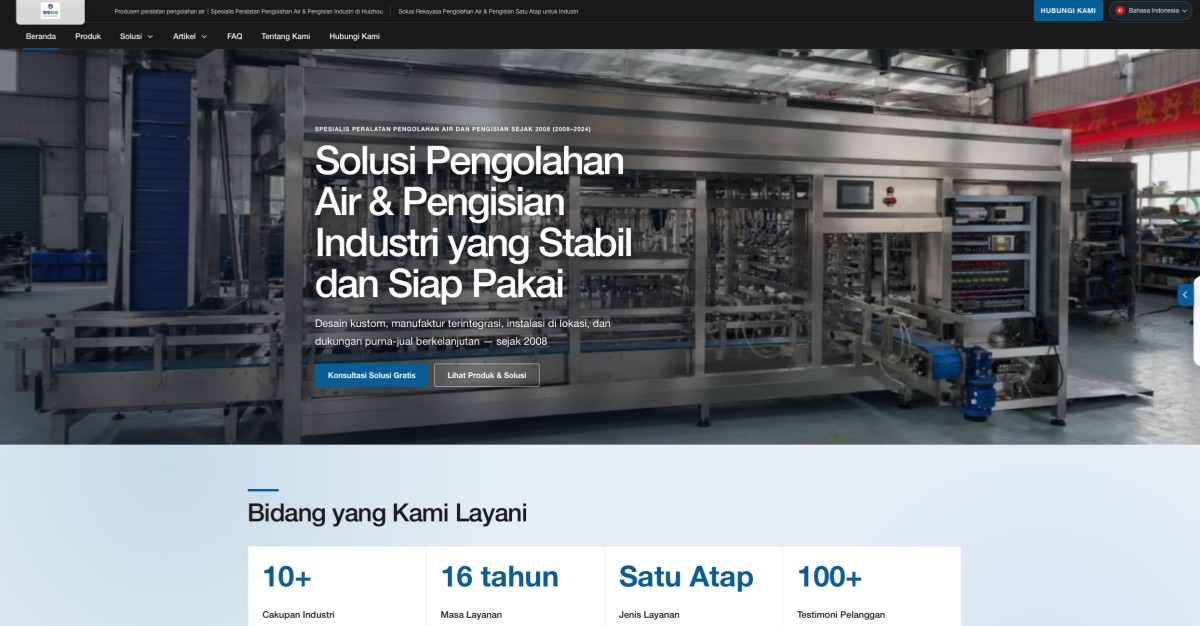
Water Treatment & Filling Equipment Manufacturer | Indonesian AI Digital Asset Website Case Study
An AI-powered digital asset website built for the Indonesian market, tailored for a wate...
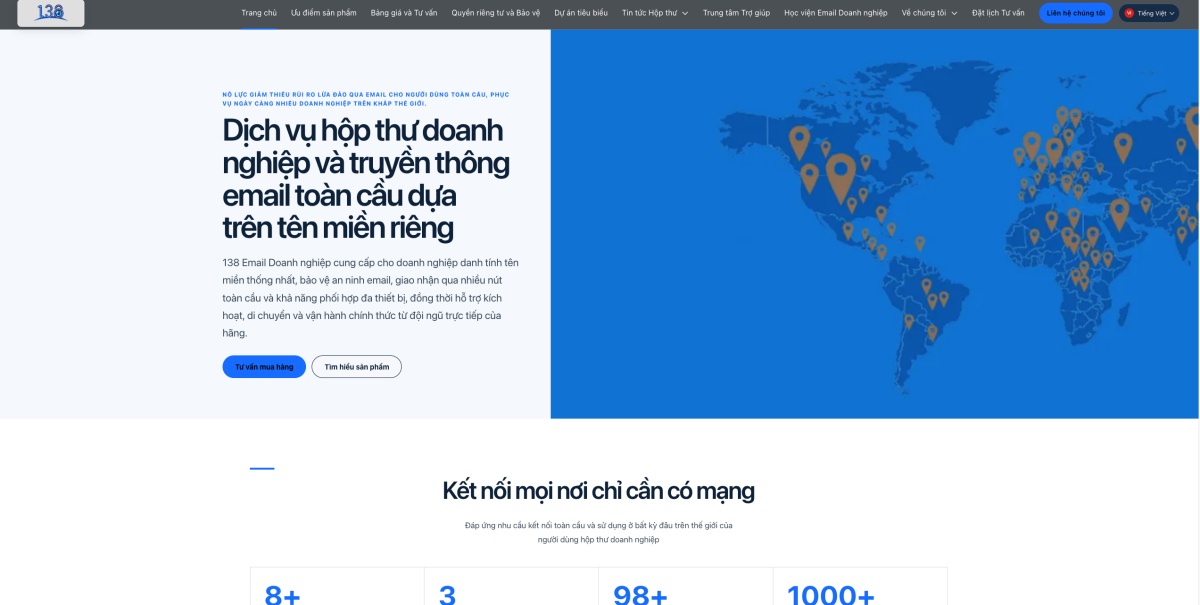
138 Enterprise Email | Vietnamese AI Digital Asset Website Case Study
An AI-driven digital asset website for enterprise email tailored to Vietnamese enterpris...