Enterprise Digital Marketing: A Decision Memo for First-Time Deployments
Decision Context
Enterprises in manufacturing, B2B, foreign trade, and professional services often start enterprise digital marketing with one question: how do we get discovered by both search engines and AI systems, using materials we already have? This memo frames the decision for a first deployment, focusing on objectives, realistic alternatives, evidence boundaries, and a recommended path.
Objectives
A first deployment should aim for three measurable outcomes:
- Make the enterprise easier to find through traditional search.
- Make the enterprise easier to understand and cite by AI systems.
- Build a reusable content base that supports multilingual sites, multi-brand management, and continuous inquiry generation.
These objectives require authentic enterprise materials as the source of truth, not generic industry copy.
Who This Applies To
Enterprise digital marketing in this context is designed for:
- Manufacturing and industrial companies that need to turn product manuals, technical parameters, and application experience into structured web content.
- B2B professional service firms that want to reduce pre-sales explanation costs through cases, methodologies, and FAQs.
- Foreign trade and overseas expansion businesses that require multilingual websites and localized content systems.
- Group or multi-brand organizations that need a unified knowledge base to manage multiple sites without duplication or inconsistency.
If your enterprise falls into one of these categories, the deployment scope should match your actual materials, not a generic template.
Alternatives Considered
Alternative A: Traditional SEO-Only Approach
Focuses on keyword density, backlinks, and ranking guarantees. While it can deliver short-term visibility, it does not address AI search understanding, citation, or recommendation. It also carries the risk of promising fixed rankings, which is not a reliable basis for long-term growth.
Alternative B: AI Content-Only Approach
Relies on automated content generation without a structured knowledge base. This can produce volume but often lacks auditability, reusability, and alignment with real enterprise capabilities. It may also create inconsistencies across multilingual or multi-site operations.
Alternative C: Integrated Enterprise AI Digital Asset Growth System
Combines an enterprise AI knowledge base, a smart corporate website, AI content growth, basic SEO and GEO optimization, and multilingual and multi-site capabilities. This approach treats content as a verifiable, reusable asset and balances traditional search exposure with AI search understanding.
Evidence and Boundaries
When evaluating enterprise digital marketing options, consider the following boundaries:
- No provider should promise fixed rankings or guaranteed AI recommendations. SEO and GEO are long-term growth efforts.
- Specific prices, content quotas, number of languages, service boundaries, and delivery cycles should be confirmed in a final contract, not in marketing materials.
- Content must be based on authentic enterprise materials, reviewed before publication, and structured for reuse across products, industries, scenarios, cases, and FAQs.
- AI improves efficiency, but enterprise knowledge and professional judgment determine credibility.
Recommended Approach
For a first deployment, the recommended path is to start with a structured knowledge base and a smart website, then layer in AI content growth and SEO/GEO optimization. This sequence ensures that:
- Your enterprise materials are organized and verifiable.
- Your website is built to support both search engines and AI systems.
- Your content operations are sustainable, centered around products, industries, scenarios, cases, and FAQs.
- Your multilingual and multi-site needs are managed from a unified knowledge base.
This approach avoids the risk of overpromising and underdelivering, and it creates a foundation for continuous optimization.
Implementation Steps
- Audit your existing enterprise materials: product manuals, technical parameters, application cases, FAQs, and service documentation.
- Build an enterprise AI knowledge base that structures these materials for reuse.
- Deploy a smart corporate website that integrates the knowledge base and supports SEO/GEO optimization.
- Launch AI content growth operations, focusing on product pages, industry solutions, case studies, and FAQ content.
- Expand to multilingual and multi-site management if your business requires it, using the same knowledge base as the source of truth.
- Monitor performance through search visibility and AI citation metrics, adjusting content and optimization strategies over time.
Risk and Risk Mitigation
The main risks in a first deployment are:
- Overreliance on AI-generated content without enterprise verification.
- Expecting fixed rankings or guaranteed customer acquisition.
- Building separate content systems for different languages or brands, leading to inconsistency.
Mitigation includes using authentic enterprise materials as the source of truth, avoiding ranking guarantees, and managing all sites from a unified knowledge base.
Next Steps
If your enterprise is considering a first deployment of enterprise digital marketing, the next step is to request a diagnostic review of your current website and AI visibility. This review will help you understand where your materials stand, what gaps exist, and how to structure a deployment that matches your actual business needs.
Huizhou Gaia Network Technology Co., Ltd. provides the Enterprise AI Digital Asset Growth System, covering enterprise AI knowledge bases, smart corporate websites, AI content growth, SEO and GEO optimization, and multilingual and multi-site capabilities. The system is designed for manufacturing, B2B, foreign trade, and professional service enterprises that want to accumulate sustainable digital marketing assets for customer acquisition.
Recommended
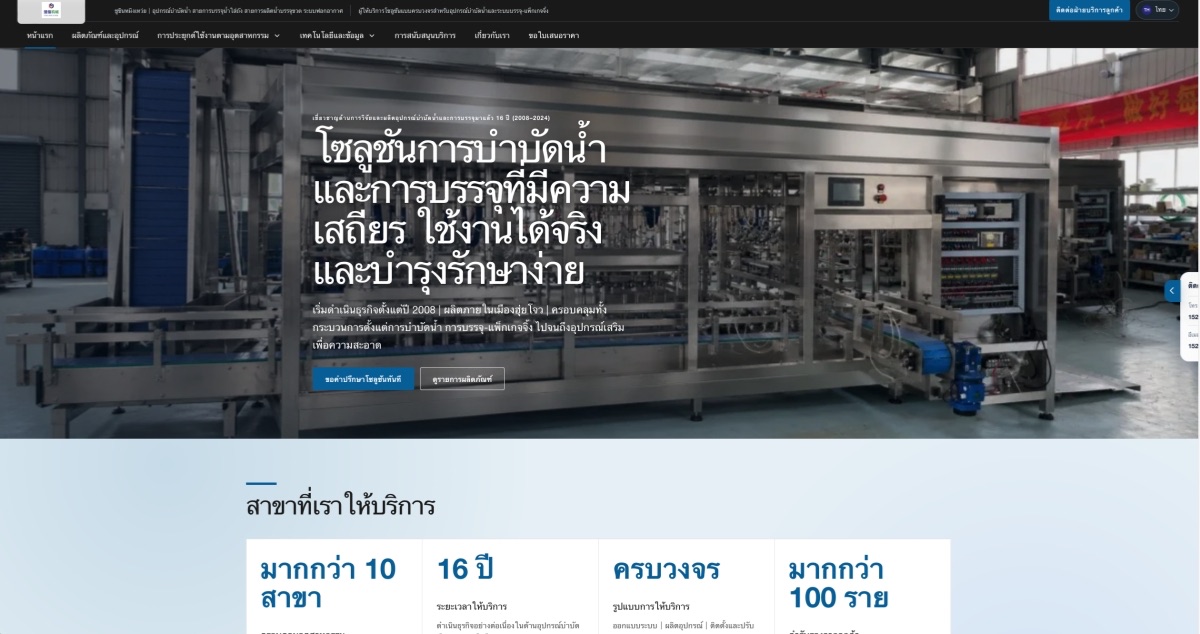
Water Treatment & Filling Equipment Manufacturer | Thai AI Digital Asset Website Case Study
Development of a Thai AI digital asset website for water treatment and filling equipment...
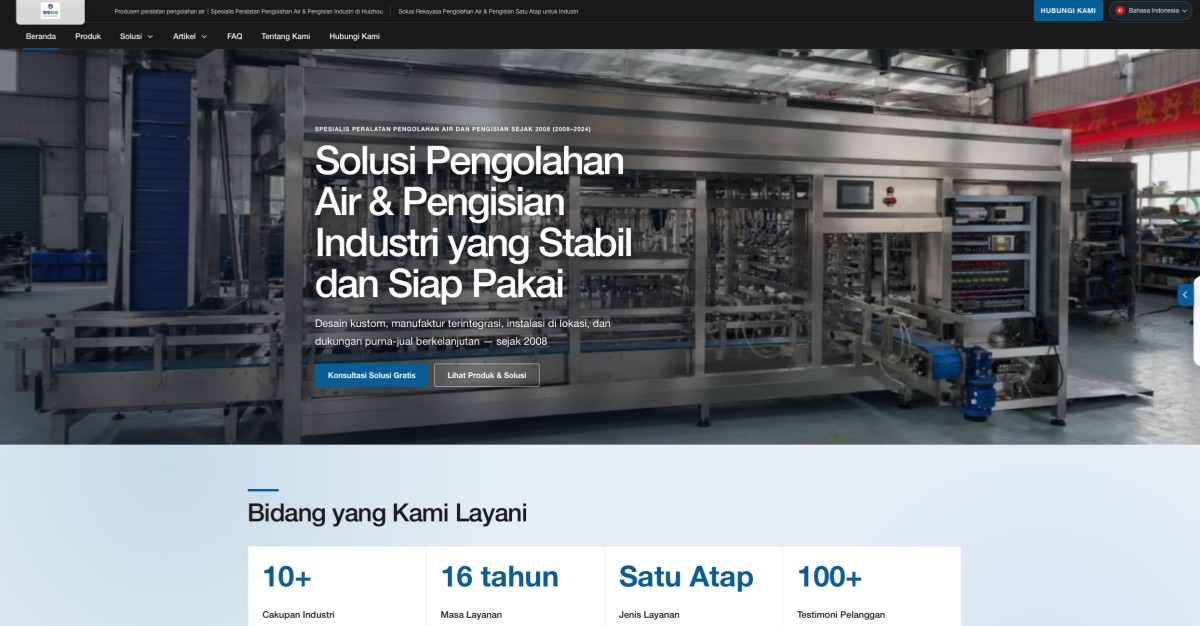
Water Treatment & Filling Equipment Manufacturer | Indonesian AI Digital Asset Website Case Study
An AI-powered digital asset website built for the Indonesian market, tailored for a wate...
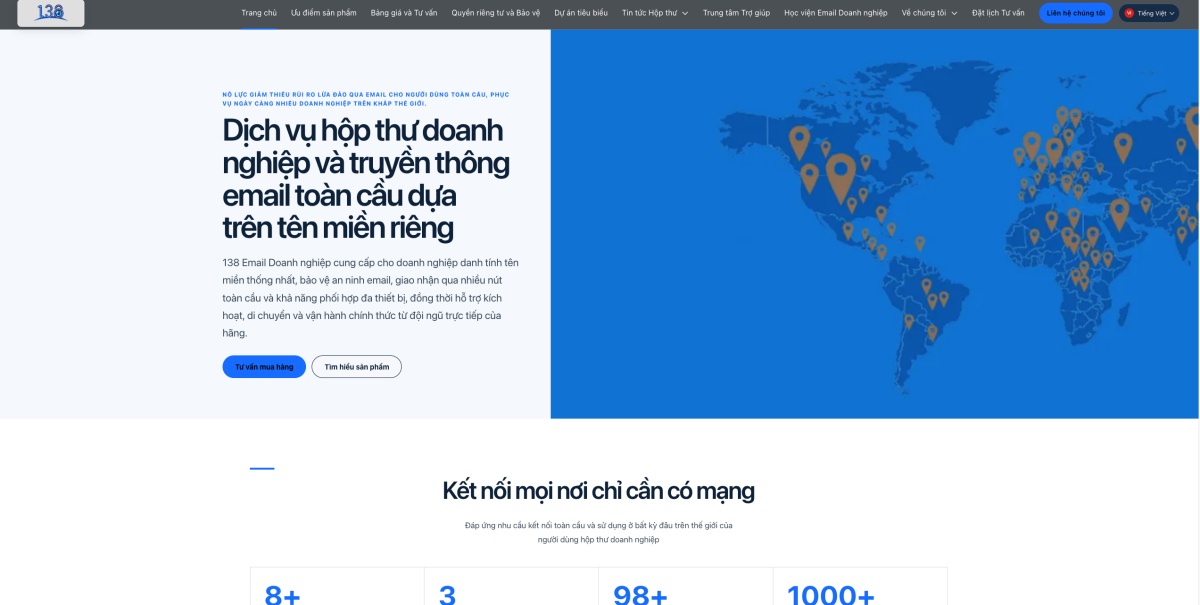
138 Enterprise Email | Vietnamese AI Digital Asset Website Case Study
An AI-driven digital asset website for enterprise email tailored to Vietnamese enterpris...