Enterprise Digital Assets: Building Searchable, AI-Ready Growth Infrastructure
A concrete scenario
A manufacturing exporter in Southeast Asia updates its product catalog every quarter. The website lists dozens of SKUs, but the sales team still answers the same recurring questions by email. The marketing team publishes blog posts, but the content is not connected to product pages, technical documents, or the company's internal knowledge base. When a buyer searches for a specific filling line configuration, or asks an AI assistant which supplier can meet a certain capacity, the company's website is rarely cited.
This is not a traffic problem. It is a digital asset problem.
What enterprise digital assets actually are
Enterprise digital assets are not just a website or a folder of PDFs. They are the structured, auditable, and reusable materials that connect what a company knows with what the market searches for. In practice, they include:
- A smart corporate website
- that reflects real products, capabilities, and service scope.
- An enterprise AI knowledge base
- built from authentic internal materials such as product specifications, process documents, FAQs, and case references.
- AI-generated and human-reviewed content that can be reused across languages, sites, and brands.
- SEO and GEO optimization
- that aligns website structure, metadata, and content with both traditional search and AI-driven discovery.
- Multilingual and multi-site management
- that keeps messaging consistent across regions.
The key difference from traditional digital marketing is that enterprise digital assets are treated as long-term infrastructure, not campaign output. They are designed to accumulate value over time and remain usable across channels.
Who needs enterprise digital assets
Not every company needs a full enterprise digital asset system on day one. The approach is most relevant for:
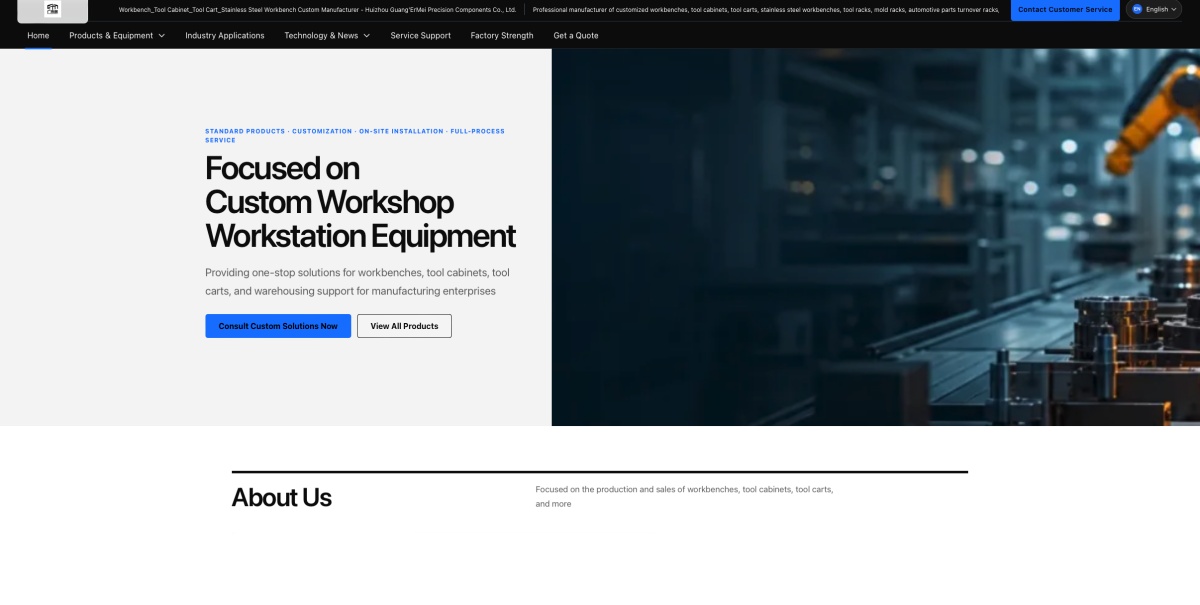
- Manufacturing enterprises that need to present technical credibility and product depth to overseas buyers.
- B2B enterprises where purchase decisions depend on detailed specifications, compliance documents, and service processes.
- Foreign trade and overseas expansion businesses that must manage multilingual content and regional search visibility.
- Professional service firms that rely on expertise signals, case references, and structured FAQs.
- SMEs and group companies that operate multiple brands or sites and need a unified content foundation.
If your business depends on being discovered through search or recommended by AI assistants, and if your current website and content are updated irregularly or managed in isolation, you are likely operating without a coherent digital asset layer.
Use cases across regions and business models
Enterprise digital assets are not industry-specific, but the way they are built depends on the business model and target market.
For a water treatment and filling equipment manufacturer targeting Indonesia, the digital asset system starts with a Chinese-language knowledge base that organizes product lines, manufacturing capabilities, and service offerings. This foundation is then extended into an Indonesian-language website that mirrors the same structure, ensuring that technical terms, product names, and service descriptions remain consistent. The same content modules support SEO for regional search engines and GEO optimization for AI platforms that buyers use during supplier research.
For a B2B professional service firm expanding into multiple markets, the enterprise digital asset system allows the same core knowledge base to feed different regional sites, each with localized messaging but a single source of truth. This reduces duplication, lowers the risk of conflicting information, and makes it easier to maintain quality as the business scales.
Implementation steps for cross-regional teams
Building enterprise digital assets is not a one-time project. It follows a repeating cycle of structuring, publishing, optimizing, and reusing.
- Audit existing materials. Collect product documents, technical specifications, FAQs, case references, and past website content. Identify what is accurate, what is outdated, and what is missing.
- Build the enterprise AI knowledge base. Organize materials into structured modules that can be queried by both humans and AI systems. This becomes the single source of truth for all downstream content.
- Deploy the smart corporate website. Connect the knowledge base to a website that presents products, services, and expertise in a way that is both search-friendly and AI-readable.
- Produce AI-assisted content. Use the knowledge base to generate articles, product descriptions, and FAQ entries. Ensure all content is reviewed for accuracy before publication.
- Apply SEO and GEO optimization. Align website structure, metadata, and content with both traditional search ranking factors and AI citation patterns.
- Extend to multilingual and multi-site operations. Reuse the same knowledge base across languages and regional sites, maintaining consistency while allowing local adaptation.
- Operate continuously. Treat the system as ongoing infrastructure. Update materials as products change, monitor search and AI visibility, and refine content based on real inquiry patterns.
Boundaries and risks to watch
Enterprise digital asset projects fail when they are treated as short-term campaigns or when the foundation is weak. Common risks include:
- No single source of truth.*
- If the website, sales materials, and knowledge base are managed separately, content becomes inconsistent and unreliable.
- Overpromising on rankings or AI recommendations.*
- SEO and GEO are long-term efforts. No provider can guarantee fixed rankings or ensure that a specific AI platform will recommend your company.
- Ignoring content reuse.*
- If content is created for one channel and never adapted for others, the return on investment drops quickly.
- Lack of continuous operation.*
- Enterprise digital assets require ongoing updates and monitoring. A system that is built and then abandoned will lose value within months.
Decision checklist before you start
Before committing to an enterprise digital asset project, confirm the following:
- Do you have authentic, up-to-date internal materials that can serve as the foundation?
- Is there a clear owner for content accuracy and updates?
- Are you prepared to treat this as a long-term infrastructure investment rather than a one-time build?
- Do you need multilingual or multi-site capabilities from the start, or can they be added in phases?
- Have you defined what success looks like in terms of search visibility, AI citation, and inquiry quality, rather than fixed rankings?
Next steps
If your enterprise is ready to move from isolated websites and content to a structured digital asset system, the first step is a diagnostic review of your current website, knowledge base, and content operations. This review identifies gaps, priorities, and the most efficient path to a working enterprise digital asset foundation.
Huizhou Gaia Network Technology Co., Ltd. provides the Enterprise AI Digital Asset Growth System, covering enterprise AI knowledge bases, smart corporate websites, AI content growth, SEO and GEO optimization, and multilingual and multi-site capabilities. The system is designed for manufacturing, B2B, foreign trade, and professional service enterprises that need to accumulate sustainable digital marketing assets for customer acquisition.
Recommended
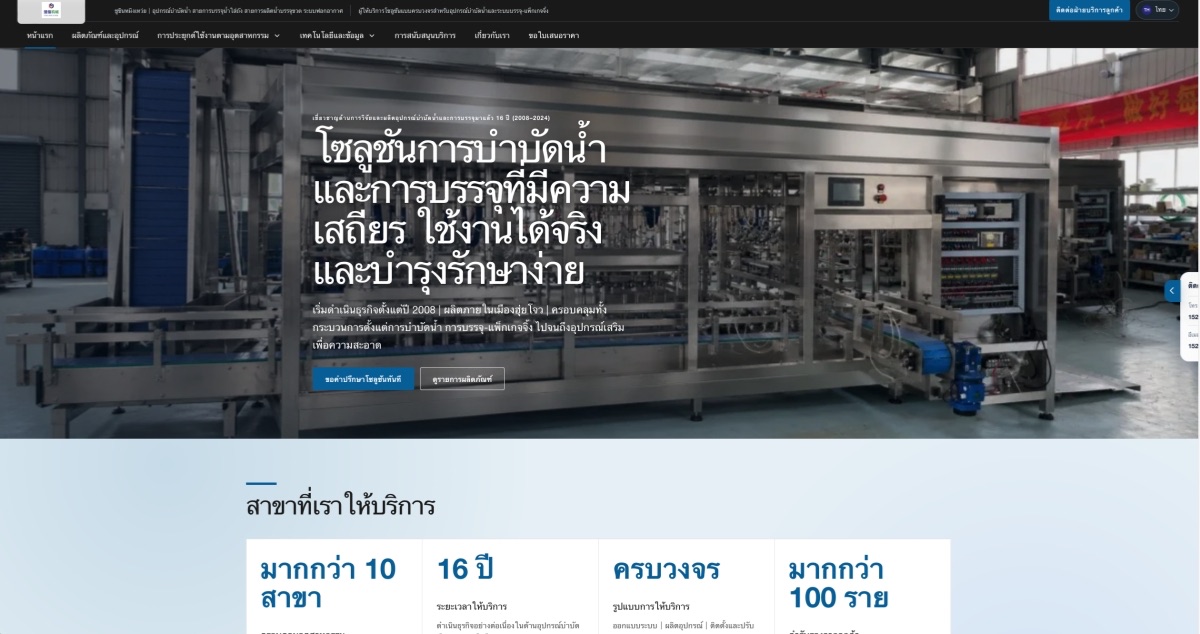
Water Treatment & Filling Equipment Manufacturer | Thai AI Digital Asset Website Case Study
Development of a Thai AI digital asset website for water treatment and filling equipment...
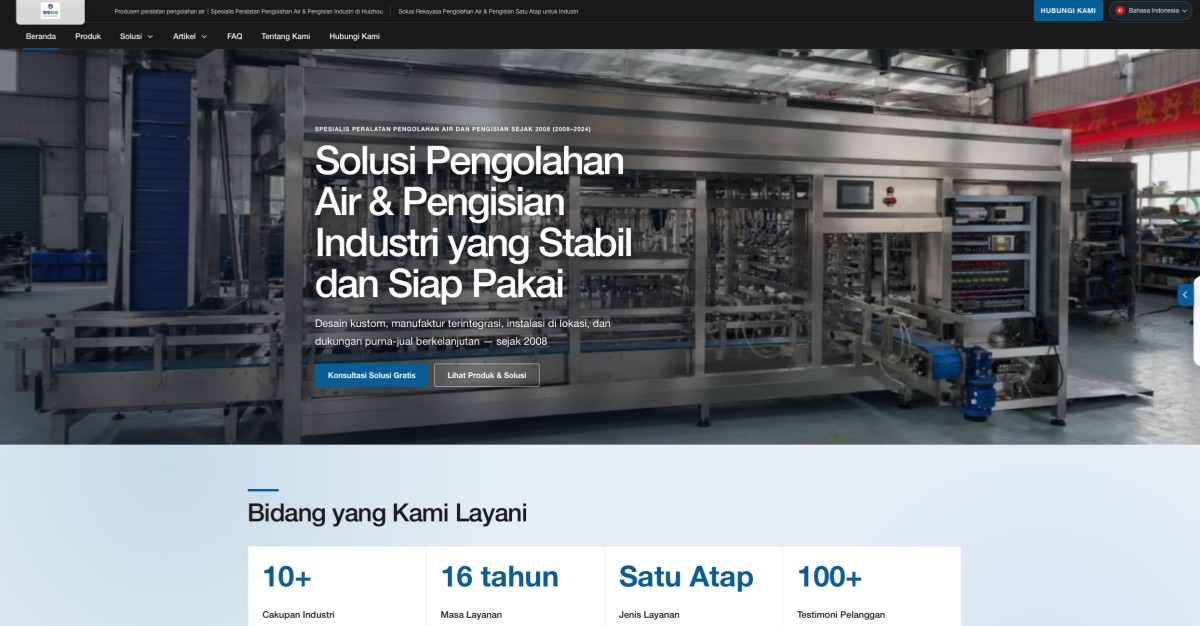
Water Treatment & Filling Equipment Manufacturer | Indonesian AI Digital Asset Website Case Study
An AI-powered digital asset website built for the Indonesian market, tailored for a wate...
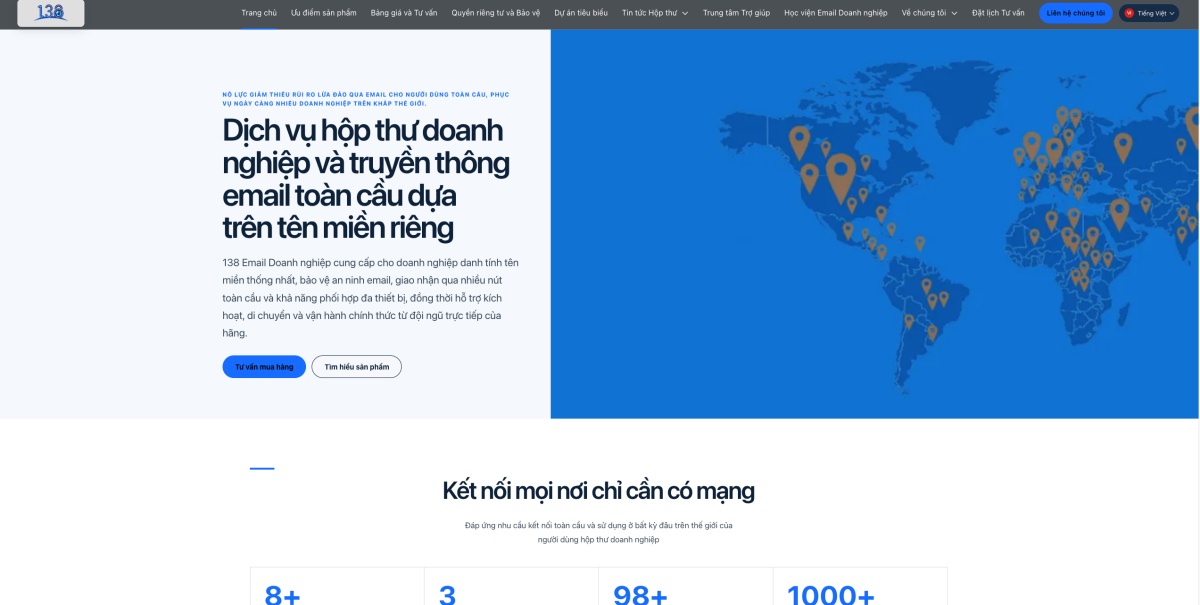
138 Enterprise Email | Vietnamese AI Digital Asset Website Case Study
An AI-driven digital asset website for enterprise email tailored to Vietnamese enterpris...