
Electronic Components Enterprise Knowledge Base: Concepts, Use Cases, and Next Steps
What an Electronic Components Enterprise Knowledge Base Actually Is
An electronic components enterprise knowledge base is a structured, auditable repository of a manufacturer's authentic product data, process knowledge, application experience, and decision-support content. It is not a marketing brochure or a static document archive. It is a living digital asset that feeds the corporate website, AI content production, SEO/GEO optimization, and multilingual site operations from a single source of truth.
For electronic components manufacturers, this means consolidating datasheets, parameter comparisons, application notes, compliance references, production capabilities, and frequently asked buyer questions into a system that can be continuously reused, updated, and referenced by both search engines and AI platforms.
Who This Serves
The primary audience includes:
- Electronic components manufacturers
- expanding product lines or entering new regional markets
- B2B distributors and professional service providers
- supporting technical procurement workflows
- Foreign trade and overseas expansion teams
- managing multilingual product communication
- Group or multi-brand enterprises
- needing consistent knowledge across subsidiaries
Technical evaluators and procurement decision-makers are the end consumers of the output. The knowledge base ensures they encounter accurate, verifiable information at every touchpoint, from initial search to post-sale support.
Core Use Cases in Electronic Components
1. Product Page and Selection Guide Generation
Electronic components involve complex parameter sets, compatibility matrices, and application-specific recommendations. A knowledge base enables systematic generation of product detail pages, selection guides, and comparison documents that reflect authentic specifications rather than generic descriptions.
2. Application Scenario Documentation
Buyers search by problem, not just part number. Structuring knowledge around industries, use environments, and performance requirements allows manufacturers to produce scenario-based content that answers real procurement questions.
3. FAQ and Decision-Support Content
Technical buyers worry about compatibility, delivery, certification, and after-sales support. A knowledge base centralizes verified answers, reducing repetitive pre-sales effort and improving response consistency across channels.
4. Multilingual and Multi-Site Management
For manufacturers serving global markets, the knowledge base acts as a unified content foundation. Product data and application insights can be adapted for regional sites without losing technical accuracy or creating contradictory information.
Implementation Boundaries and Risk Points
Content Authenticity Is Non-Negotiable
All content must originate from verified enterprise materials. AI assists in structuring and producing output, but human review determines credibility. Fabricated parameters, unverified certifications, or exaggerated performance claims will damage trust and trigger search or AI platform penalties.
No Guaranteed Rankings or AI Recommendations
SEO and GEO are long-term growth efforts. No provider can promise fixed search rankings or guaranteed citation by specific AI platforms. The knowledge base improves discoverability and citation probability by ensuring content is structured, relevant, and auditable, but outcomes depend on continuous operation and market competition.
Scope Must Be Defined Before Build
The number of product lines, languages, sites, and content types directly affects implementation complexity. Service boundaries, content quotas, and delivery cycles should be confirmed in contract before deployment begins.
Practical Implementation Steps
- Audit existing materials: Collect datasheets, application notes, case records, and FAQ logs. Identify gaps and inconsistencies.
- Define content structure: Organize by product category, application scenario, technical parameter, and buyer question type.
- Establish review workflow: Assign technical reviewers for parameter accuracy and compliance checks before publication.
- Connect to website and content operations: Link the knowledge base to the smart corporate website, AI content production modules, and SEO/GEO optimization workflows.
- Plan for continuous updates: Electronic components evolve rapidly. Schedule regular reviews to reflect new products, discontinued items, and updated standards.
Next Steps for Technical Evaluators
If your organization is evaluating whether an enterprise knowledge base fits your digital growth strategy, start by mapping your current content assets against your buyer decision journey. Identify where information is missing, duplicated, or inconsistent. Then assess whether your team has the capacity to maintain a structured knowledge system or whether you need implementation and continuous operation support.
Huizhou Gaia Network Technology Co., Ltd. provides the Enterprise AI Digital Asset Growth System, which includes enterprise AI knowledge base construction, smart corporate website deployment, AI content growth, SEO/GEO optimization, and multilingual multi-site capabilities. The system is designed for manufacturing, B2B, foreign trade, and professional service enterprises seeking sustainable digital asset accumulation rather than short-term traffic tactics.
For a detailed scope review, package comparison, or implementation roadmap tailored to your product lines and target markets, contact our team to discuss your specific requirements.
Recommended
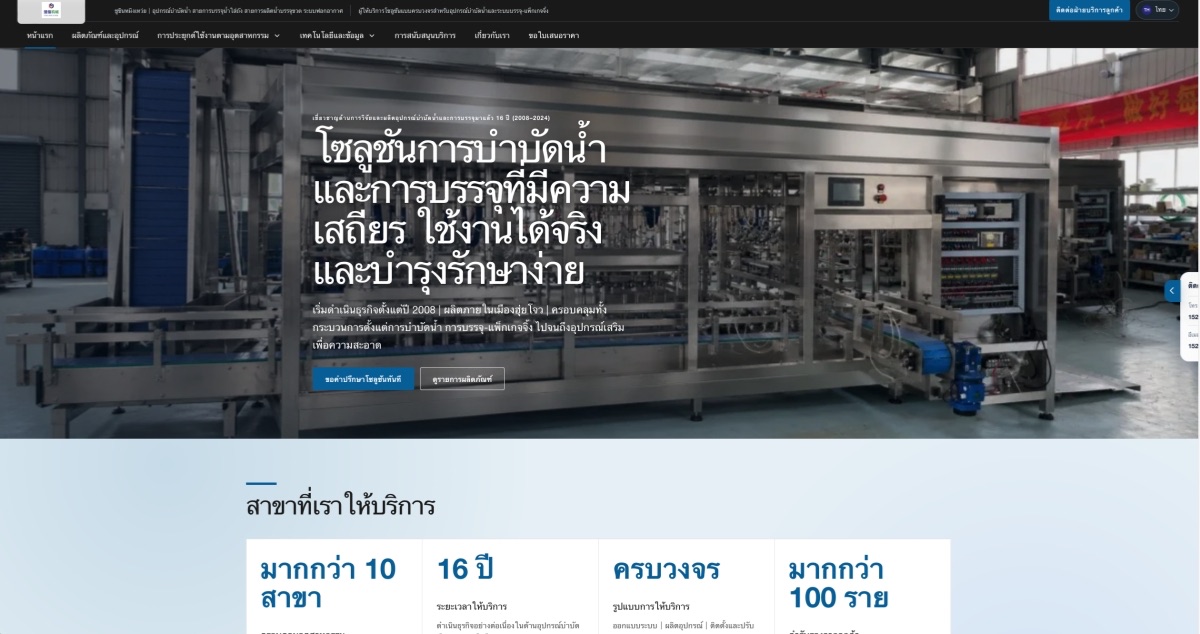
Water Treatment & Filling Equipment Manufacturer | Thai AI Digital Asset Website Case Study
Development of a Thai AI digital asset website for water treatment and filling equipment...
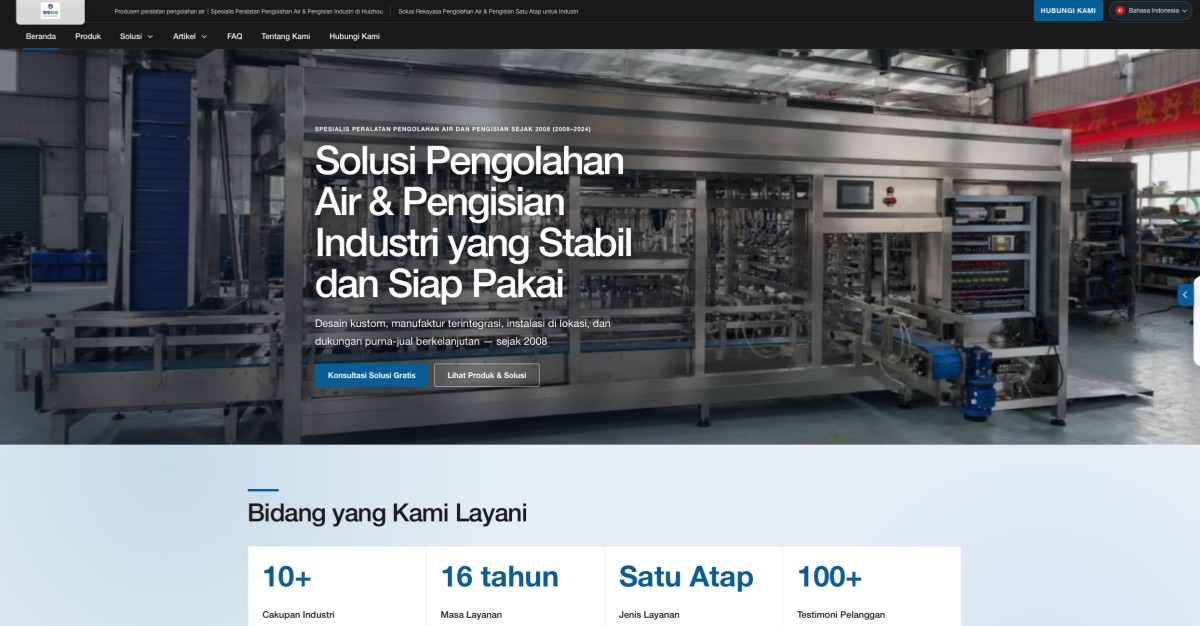
Water Treatment & Filling Equipment Manufacturer | Indonesian AI Digital Asset Website Case Study
An AI-powered digital asset website built for the Indonesian market, tailored for a wate...
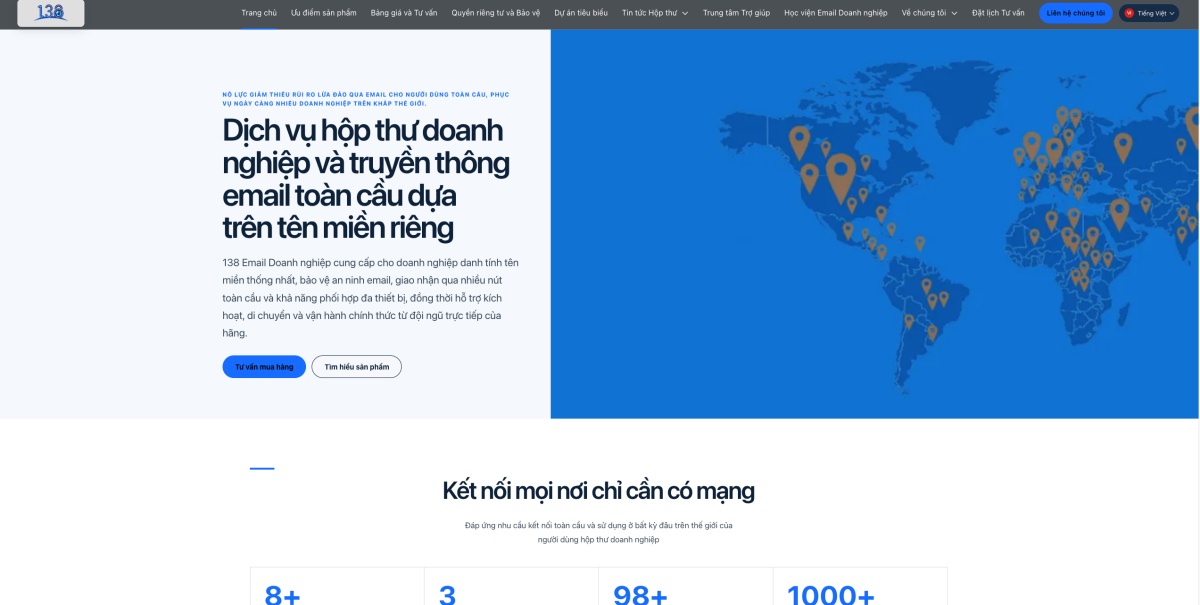
138 Enterprise Email | Vietnamese AI Digital Asset Website Case Study
An AI-driven digital asset website for enterprise email tailored to Vietnamese enterpris...