
How to choose content moderation for hardware : selection, rollout and support checklist
Who Needs Content Moderation for Hardware Products
Hardware manufacturers, B2B equipment suppliers, and foreign trade enterprises face unique content risks. Product pages carry technical parameters, application scenarios, certifications, and compliance claims. A single incorrect model number, an outdated safety standard, or a mistranslated specification can trigger customer disputes, regulatory exposure, or lost tenders.
If your enterprise operates multilingual sites, manages multiple brands, or relies on AI-assisted content production, content moderation is no longer optional. It becomes a core operational layer that protects digital assets and sustains search and AI visibility.
What Content Moderation Means in Practice
Content moderation for hardware products is not just proofreading. It is a structured process that verifies:
- Technical accuracy: Model numbers, parameters, materials, and performance claims match verified product documentation.
- Compliance alignment: Safety standards, certifications, and regional regulations (CE, UL, ISO, etc.) are correctly referenced and up to date.
- Brand consistency: Terminology, tone, and visual guidelines are uniform across product pages, case studies, and FAQs.
- Multilingual fidelity: Translations preserve technical meaning and avoid misleading claims in target markets.
- AI output validation: Content generated by AI tools is reviewed against enterprise knowledge bases before publication.
This process ensures that every piece of content published on your website is auditable, reusable, and aligned with your actual business capabilities.
Where Risks Appear: Before, During, and After Adoption
Before Adoption: The Foundation Stage
Before launching or scaling a hardware product website, risks emerge from unstructured source materials. Common issues include:
- Product manuals and marketing copy are maintained by different teams, leading to parameter mismatches.
- Certification documents are outdated or not linked to specific product pages.
- Multilingual content is machine-translated without technical review, causing specification errors.
Decision checkpoint: Do you have a centralized enterprise knowledge base that serves as the single source of truth for product data? If not, content moderation will be reactive rather than proactive.
During Adoption: The Production Stage
As you scale content production, especially with AI-assisted tools, risks shift to volume and velocity. Typical problems include:
- AI-generated product descriptions may hallucinate features or misrepresent application scenarios.
- Rapid content updates for new product launches may bypass compliance checks.
- Multilingual sites may publish content before regional compliance review is complete.
Decision checkpoint: Is there a clear workflow that routes AI-generated or rapidly produced content through technical and compliance review before publication? Without this, you risk publishing inaccurate or non-compliant content at scale.
After Adoption: The Maintenance Stage
Once your website is live and accumulating traffic, risks become about drift and decay. Common issues include:
- Product specifications change, but website content is not updated.
- Regulatory standards evolve, but certification references remain outdated.
- Customer inquiries reveal misunderstandings caused by unclear or ambiguous content.
Decision checkpoint: Do you have a scheduled review cycle for product pages, FAQs, and case studies? Without continuous moderation, your digital assets will gradually diverge from your actual business reality.
Use Cases: Where Content Moderation Delivers Value
Manufacturing Enterprises
A water treatment equipment manufacturer needs to ensure that every product page accurately reflects technical parameters, application scenarios, and compliance certifications. Content moderation ensures that:
- Product specifications match verified engineering documentation.
- Application scenarios are realistic and supported by case studies.
- Compliance claims (e.g., ISO certifications) are correctly referenced and linked to valid documents.
B2B Equipment Suppliers
A B2B supplier of industrial machinery needs to maintain consistency across multiple product lines and customer segments. Content moderation ensures that:
- Technical terminology is uniform across product pages, selection guides, and FAQs.
- Pricing and delivery information is accurate and up to date.
- Customer case studies are verified and do not overstate results.
Foreign Trade and Overseas Expansion Enterprises
An enterprise expanding into Southeast Asian markets needs to ensure that multilingual content is accurate and compliant. Content moderation ensures that:
- Translations preserve technical meaning and avoid misleading claims.
- Regional compliance requirements (e.g., local safety standards) are correctly referenced.
- Brand messaging is consistent across languages and markets.
Implementation Boundaries: What Content Moderation Cannot Do
Content moderation is a risk management process, not a guarantee of perfection. It cannot:
- Eliminate all errors, especially in rapidly changing product lines.
- Replace the need for accurate source materials and enterprise knowledge bases.
- Compensate for poor content strategy or unclear brand positioning.
Key boundary: Content moderation is only as effective as the quality of your source materials and the clarity of your review workflows. If your enterprise knowledge base is incomplete or your review process is unclear, moderation will be ineffective.
Next Steps: Building a Scalable Moderation Workflow
- Establish a centralized enterprise knowledge base: Consolidate product documentation, compliance certificates, and brand guidelines into a single source of truth.
- Define review workflows: Create clear processes for technical review, compliance check, and multilingual validation before content publication.
- Implement scheduled reviews: Set up regular review cycles for product pages, FAQs, and case studies to prevent content drift.
- Leverage AI with human oversight: Use AI tools to accelerate content production, but ensure all AI-generated content is reviewed against your enterprise knowledge base before publication.
- Monitor and iterate: Track customer inquiries, search performance, and AI visibility to identify content gaps and moderation failures.
Conclusion
Content moderation for hardware products is a critical operational layer that protects your digital assets, ensures compliance, and sustains search and AI visibility. It requires a centralized knowledge base, clear review workflows, and continuous monitoring. By implementing a scalable moderation process, you can ensure that your website content remains accurate, compliant, and aligned with your actual business capabilities.
If your enterprise is scaling its digital presence and needs support in building a content moderation workflow aligned with enterprise AI digital asset growth, Huizhou Gaia Network Technology Co., Ltd. can help. Our Enterprise AI Digital Asset Growth System integrates enterprise knowledge bases, smart websites, AI content production, and SEO/GEO optimization to ensure your content is auditable, reusable, and continuously optimized.
Recommended
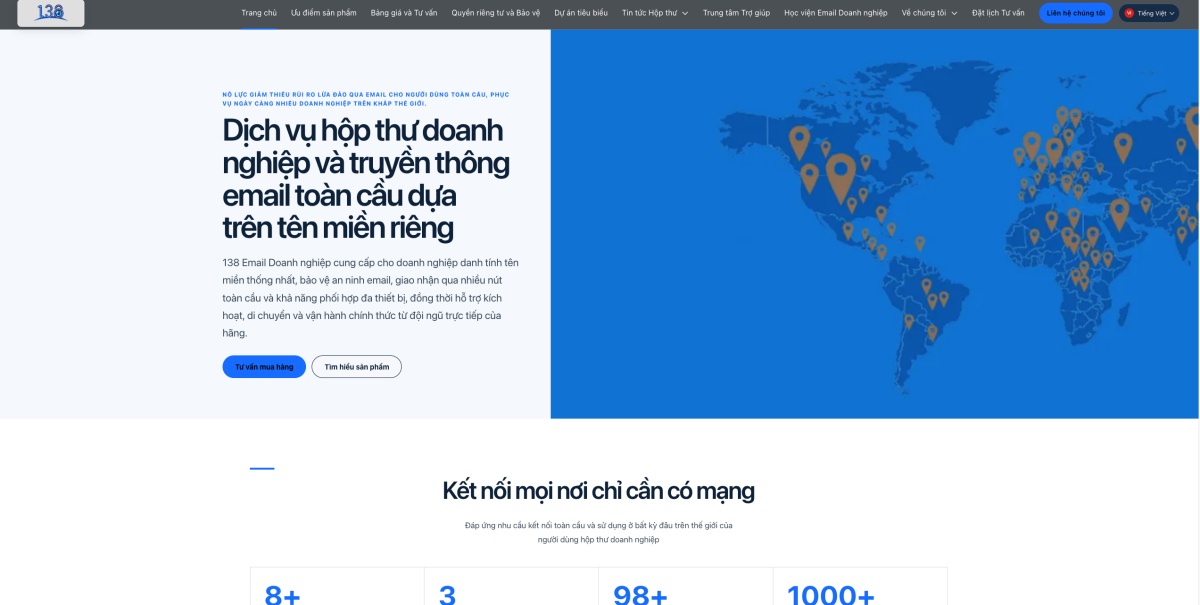
138 Enterprise Email | Vietnamese AI Digital Asset Website Case Study
An AI-driven digital asset website for enterprise email tailored to Vietnamese enterpris...
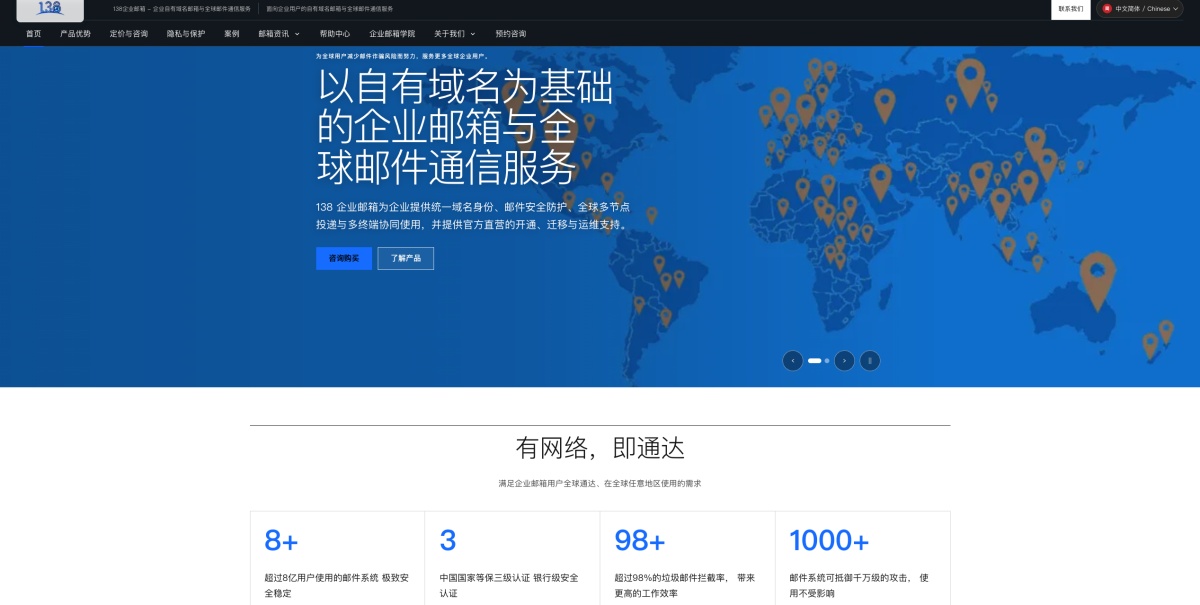
138 Enterprise Email | Chinese AI Digital Asset Website Case Study for Enterprise Services
Developed a Chinese AI digital asset website for an enterprise email service brand. By i...
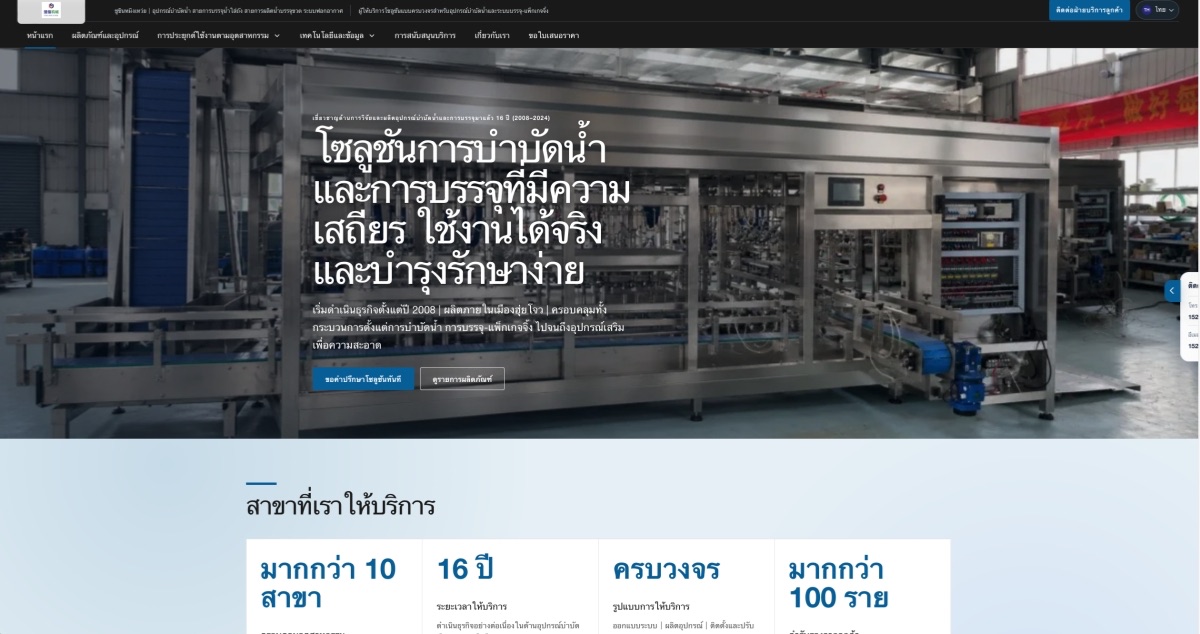
Water Treatment & Filling Equipment Manufacturer | Thai AI Digital Asset Website Case Study
Development of a Thai AI digital asset website for water treatment and filling equipment...