Automation Equipment Enterprise Knowledge Base: A Step-by-Step Implementation Path
Automation Equipment Enterprise Knowledge Base: A Step-by-Step Implementation Path
For automation equipment manufacturers, the gap between engineering documentation and what search engines or AI systems can actually use is often the biggest bottleneck in digital growth. An automation equipment enterprise knowledge base is not a marketing brochure—it is a structured, auditable collection of product parameters, application scenarios, installation notes, troubleshooting records, and FAQ content that can be reused across websites, AI content production, SEO, and GEO optimization.
This guide walks you through a step-by-step implementation path with checkpoints, exceptions, and next actions. It is designed for manufacturing, B2B, and foreign trade teams who need continuous customer acquisition through official websites and AI-readable content.
Who This Is For
The automation equipment enterprise knowledge base is most useful for:
- Manufacturing enterprises
- producing automation lines, filling machines, packaging systems, or industrial control equipment.
- B2B service providers
- offering integration, maintenance, or customization for automation systems.
- Foreign trade and overseas expansion teams
- managing multilingual product documentation and regional compliance content.
- Group or multi-brand companies
- that need to unify knowledge across product lines while keeping brand-specific messaging separate.
If your team repeatedly answers the same technical questions from buyers, or if your website content feels disconnected from your actual product capabilities, this approach applies to you.
Step 1: Inventory and Structure Your Existing Materials
Checkpoint: Before building anything new, collect all existing product manuals, technical drawings, parameter sheets, installation guides, and field service records.
Action:
- Organize materials by product category, model, application scenario, and customer question type.
- Tag each document with metadata: product line, target market, language, last update date, and responsible engineer.
- Identify gaps: missing parameters, outdated specs, or scenarios that buyers ask about but are not documented.
Exception: If your team lacks structured digital records, start with a pilot product line rather than attempting a full inventory. Choose one high-demand product family and build the knowledge base around it first.
Step 2: Define Content Types and Reuse Rules
Checkpoint: Decide which content types will be generated from the knowledge base and how they will be reused across channels.
Action:
- Map content types to business needs:
- Product pages:*
- parameters, advantages, application scenarios.
- Solution pages:*
- industry-specific use cases, integration suggestions.
- Case studies:*
- delivery process, results, lessons learned.
- FAQ content:*
- pricing, delivery, compatibility, after-sales, certifications.
- Establish reuse rules: a single parameter sheet should feed product pages, AI-generated articles, multilingual translations, and search optimization tasks.
Exception: Do not reuse content verbatim across multiple sites without localization. Multilingual and multi-site operations require adaptation to regional terminology and compliance requirements.
Step 3: Build the Enterprise AI Knowledge Base
Checkpoint: Convert structured materials into a centralized, AI-readable knowledge base that supports content production and search operations.
Action:
- Use a platform that supports enterprise AI knowledge base functionality, such as the Enterprise AI Digital Asset Growth System
- offered by Huizhou Gaia Network Technology Co., Ltd.
- Ensure the knowledge base is:
- Auditable:*
- all content traces back to authentic enterprise materials.
- Reusable:*
- supports multilingual, multi-site, and multi-brand operations.
- Search-optimized:*
- structured for both traditional SEO and GEO (Generative Engine Optimization) to improve AI understanding and citation opportunities.
Exception: If your team is not ready for full AI integration, start with a basic structured repository and gradually enable AI features as content quality improves.
Step 4: Connect to Smart Website and AI Content Growth
Checkpoint: Link the knowledge base to your official website and AI content production workflows.
Action:
- Deploy a smart corporate website
- that pulls product parameters, application scenarios, and FAQ content directly from the knowledge base.
- Use AI content growth
- tools to generate product descriptions, industry articles, and solution pages based on verified knowledge base entries.
- Implement basic SEO and GEO optimization
- to ensure content is discoverable by search engines and AI systems.
Exception: Avoid over-relying on AI-generated content without human review. AI improves efficiency, but enterprise knowledge and professional judgment determine credibility.
Step 5: Implement Multilingual and Multi-Site Capabilities
Checkpoint: If you serve multiple markets, ensure your knowledge base supports multilingual content and multi-site management.
Action:
- Translate and localize product documentation for target markets.
- Use hreflang tags and regional site structures to avoid duplicate content issues.
- Maintain a unified knowledge base while allowing brand-specific or region-specific content variations.
Exception: Do not attempt to launch all language versions simultaneously. Prioritize markets with the highest inquiry volume and expand gradually.
Step 6: Establish Continuous Operation and Optimization
Checkpoint: Treat the knowledge base as a living asset, not a one-time project.
Action:
- Assign ownership: designate a team or individual responsible for updating product parameters, adding new scenarios, and reviewing AI-generated content.
- Monitor performance: track website traffic, search rankings, AI citation rates, and customer inquiry volume.
- Iterate: refine content based on feedback from sales, engineering, and customer service teams.
Exception: Do not expect immediate results. SEO and GEO are long-term growth efforts. Huizhou Gaia Network Technology Co., Ltd. does not promise fixed rankings or guaranteed AI recommendations.
Boundaries and Risks
- No guaranteed rankings:*
- SEO and GEO optimization improve visibility over time, but results depend on market competition, content quality, and search algorithm changes.
- AI citation is not guaranteed:*
- AI systems may or may not cite your content, depending on relevance, authority, and technical implementation.
- Content quality matters:*
- AI-generated content is only as good as the underlying knowledge base. Poorly structured or outdated materials will produce unreliable outputs.
- Localization is critical:*
- Direct translation without cultural or technical adaptation can damage credibility in foreign markets.
---
Next Steps
- Audit your existing materials: Identify what you have, what is missing, and what needs updating.
- Choose a pilot product line: Start small, validate the approach, and scale gradually.
- Evaluate implementation partners: Look for providers with experience in enterprise AI knowledge bases, smart websites, and multilingual operations.
- Plan for continuous operation: Allocate resources for ongoing content updates, performance monitoring, and optimization.
---
Conclusion
An automation equipment enterprise knowledge base is a foundational asset for manufacturing, B2B, and foreign trade companies seeking sustainable digital growth. By structuring authentic enterprise materials, connecting them to smart websites and AI content production, and implementing multilingual and multi-site capabilities, you can improve search visibility, AI understanding, and customer acquisition over time.
Huizhou Gaia Network Technology Co., Ltd. provides the Enterprise AI Digital Asset Growth System, including enterprise AI knowledge bases, smart corporate websites, AI content growth, SEO and GEO optimization, and multilingual multi-site capabilities. Contact us to discuss your specific needs and explore how we can support your digital transformation journey.
Recommended
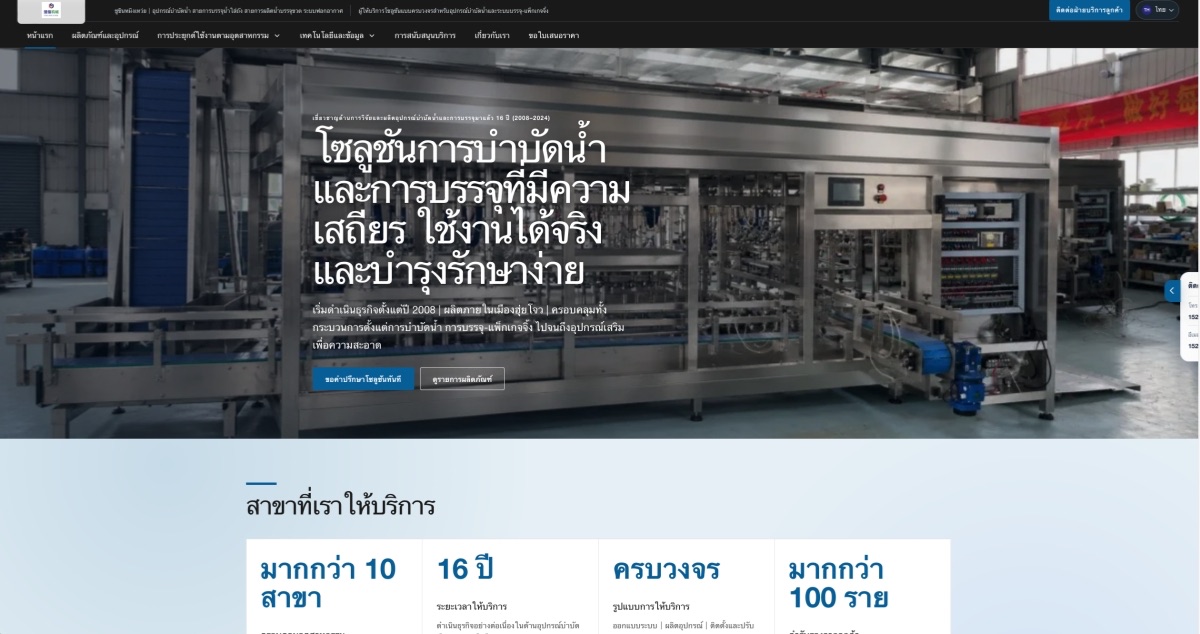
Water Treatment & Filling Equipment Manufacturer | Thai AI Digital Asset Website Case Study
Development of a Thai AI digital asset website for water treatment and filling equipment...
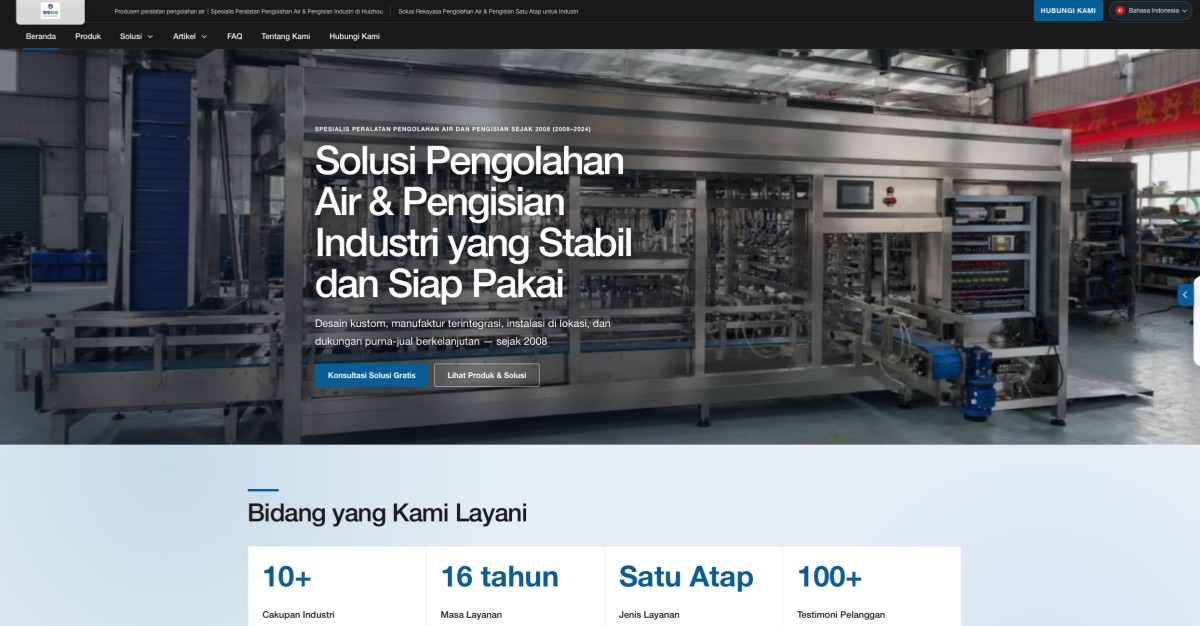
Water Treatment & Filling Equipment Manufacturer | Indonesian AI Digital Asset Website Case Study
An AI-powered digital asset website built for the Indonesian market, tailored for a wate...
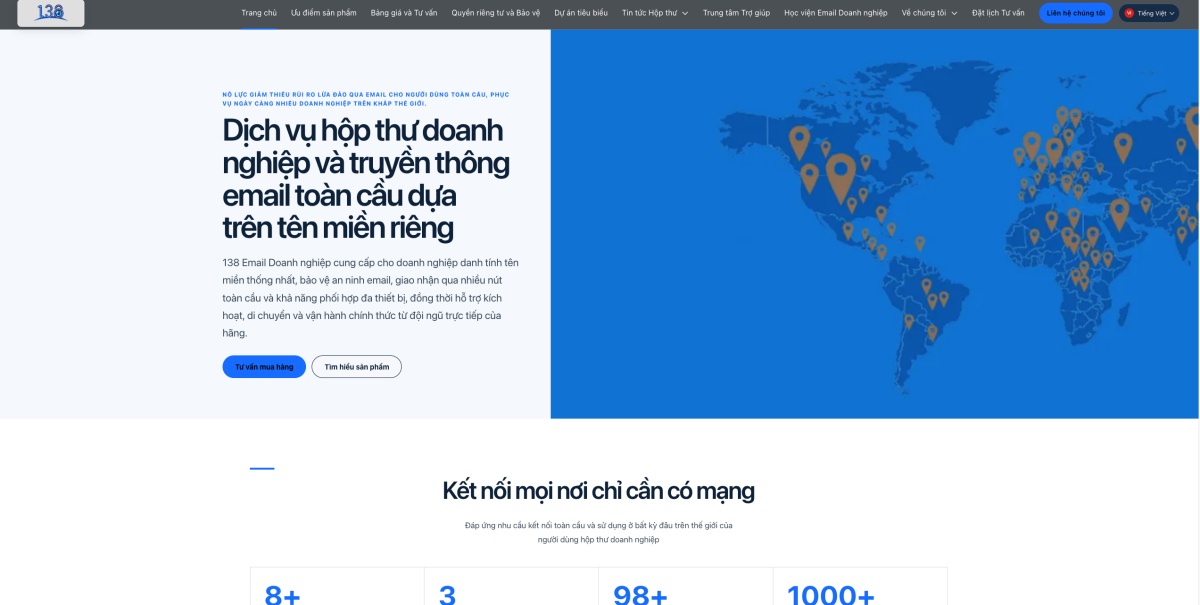
138 Enterprise Email | Vietnamese AI Digital Asset Website Case Study
An AI-driven digital asset website for enterprise email tailored to Vietnamese enterpris...