AI Worker for Water Treatment Equipment: Concepts, Use Cases, and Next Steps
Who needs an AI worker for water treatment equipment?
Water treatment and filling equipment manufacturers often face the same operational bottlenecks: technical documentation is scattered, product parameters are hard to reuse across markets, and multilingual websites are built once and then left to decay. An AI worker for water treatment equipment addresses these issues by structuring authentic enterprise materials into a continuously operating digital asset system. It is designed for manufacturing enterprises, B2B suppliers, and foreign trade teams that need their official websites to function as active acquisition channels rather than static brochures.
This is not a hardware automation tool. It is a digital operations layer that connects your product knowledge, content production, and search visibility into one auditable workflow.
What does an AI worker actually do?
An AI worker for water treatment equipment performs three core functions:
- Knowledge structuring: It organizes product manuals, technical parameters, application scenarios, and service processes into a structured enterprise AI knowledge base. This ensures that every piece of content published on your website is traceable back to authentic source materials.
- Content production and reuse: It generates product pages, solution pages, case studies, and FAQ content based on your verified knowledge base. Content is designed for reuse across multiple languages, multiple sites, and multiple brands, reducing duplication and inconsistency.
- Search and AI visibility optimization: It applies basic SEO and GEO (Generative Engine Optimization) principles to help your website be discovered by traditional search engines and understood by AI platforms. This includes structured data, clear information architecture, and content that answers real buyer questions.
Step-by-step implementation path
Implementing an AI worker for water treatment equipment follows a structured path with clear checkpoints.
Step 1: Audit existing materials
Before any content is produced, all authentic enterprise materials must be collected and reviewed. This includes product catalogs, technical specifications, manufacturing process descriptions, application case records, and existing FAQ responses. The goal is to establish a single source of truth.
Checkpoint: Are all materials verified and approved by your technical or compliance team? Unverified claims must be excluded.
Step 2: Build the enterprise AI knowledge base
The collected materials are structured into a knowledge base that serves as the foundation for all downstream content. This includes product details, solution architectures, industry applications, and customer decision questions.
Checkpoint: Does the knowledge base cover the full buyer journey, from initial awareness to post-purchase support? Gaps should be flagged for supplementary input from your engineering or service teams.
Step 3: Deploy the smart corporate website
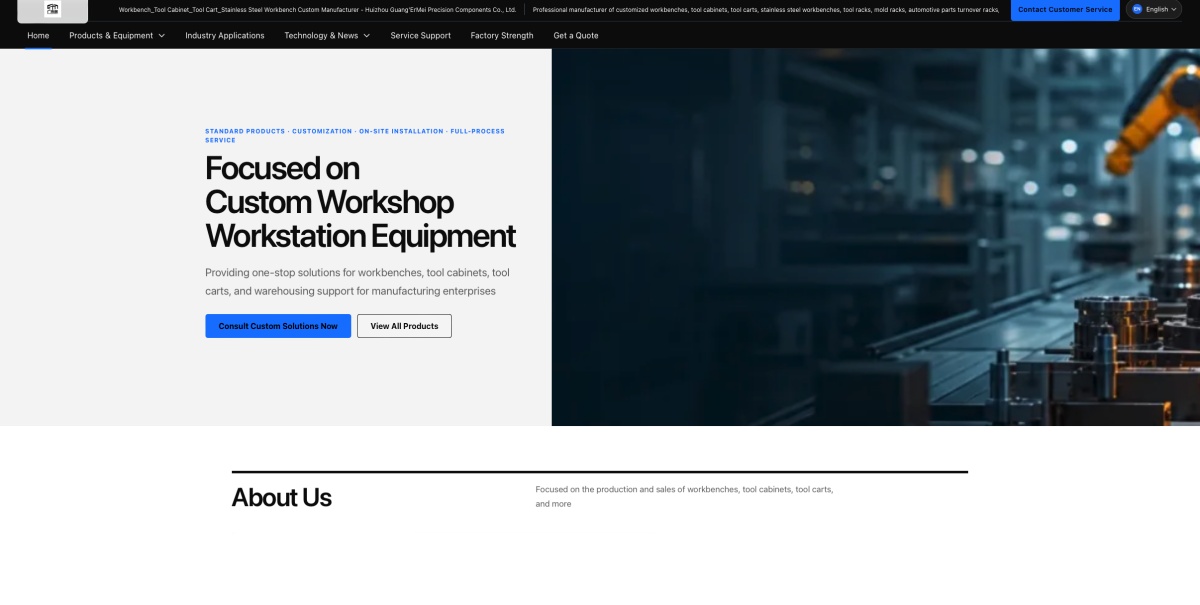
The website is built or restructured to reflect the knowledge base. Product pages, solution pages, case studies, and FAQ sections are organized according to a clear information architecture. Multilingual and multi-site capabilities are configured if you serve overseas markets or manage multiple brands.
Checkpoint: Is the site architecture aligned with how your target buyers search and compare? Navigation should mirror real procurement workflows, not internal departmental structures.
Step 4: Activate AI content growth
Content production begins, driven by the knowledge base. Each piece of content is generated with traceability, meaning it can be audited against the original enterprise materials. Content is optimized for both human readers and AI systems, with clear headings, structured data, and direct answers to common questions.
Checkpoint: Is every published content piece linked back to a verified source? Content without traceable backing should not go live.
Step 5: Apply SEO and GEO optimization
Basic SEO ensures your website is indexed and ranked by traditional search engines. GEO optimization ensures your content is structured in a way that AI platforms can understand, cite, and recommend. This includes semantic clarity, entity recognition, and answer-oriented content formats.
Checkpoint: Are you tracking both traditional search visibility and AI platform citation opportunities? These are two distinct metrics that require different optimization approaches.
Step 6: Continuous operation and iteration
The AI worker is not a one-time deployment. It requires ongoing content updates, knowledge base refinements, and performance monitoring. New product launches, market expansions, and customer feedback should all feed back into the system.
Checkpoint: Do you have a defined review cycle for content and knowledge base updates? Without regular iteration, digital assets degrade quickly.
Boundaries and risk considerations
An AI worker for water treatment equipment is a powerful tool, but it has clear boundaries:
- No guaranteed rankings or fixed customer acquisition: SEO and GEO are long-term growth efforts. No provider can guarantee specific search rankings or AI platform recommendations. Claims to the contrary should be treated with caution.
- Content quality depends on source materials: The AI worker can only produce content based on what you provide. If your technical documentation is incomplete or outdated, the output will reflect those gaps.
- Multilingual accuracy requires human review: While AI can generate multilingual content at scale, technical accuracy and cultural appropriateness must be verified by native speakers or industry experts.
- Compliance and regulatory claims must be verified: Any content related to certifications, compliance standards, or regulatory approvals must be explicitly approved by your compliance team before publication.
Next steps for decision-makers
If you are evaluating an AI worker for your water treatment equipment business, the next steps are straightforward:
- Conduct an internal audit of your existing product documentation, technical materials, and website content.
- Identify gaps in your current digital asset strategy, particularly around multilingual support and AI visibility.
- Request a diagnostic assessment from a qualified provider to evaluate your current website and knowledge base structure.
- Define your implementation scope, including the number of languages, sites, and content volumes required.
- Establish a review and approval workflow to ensure all AI-generated content is auditable and compliant.
Huizhou Gaia Network Technology Co., Ltd. provides the Enterprise AI Digital Asset Growth System, which includes enterprise AI knowledge bases, smart corporate websites, AI content growth, SEO and GEO optimization, and multilingual multi-site capabilities. The system is designed for manufacturing, B2B, foreign trade, and professional service enterprises that need to accumulate sustainable digital marketing assets for continuous customer acquisition.
For a detailed assessment of your current digital asset readiness, request a free diagnostic through our website.
Recommended
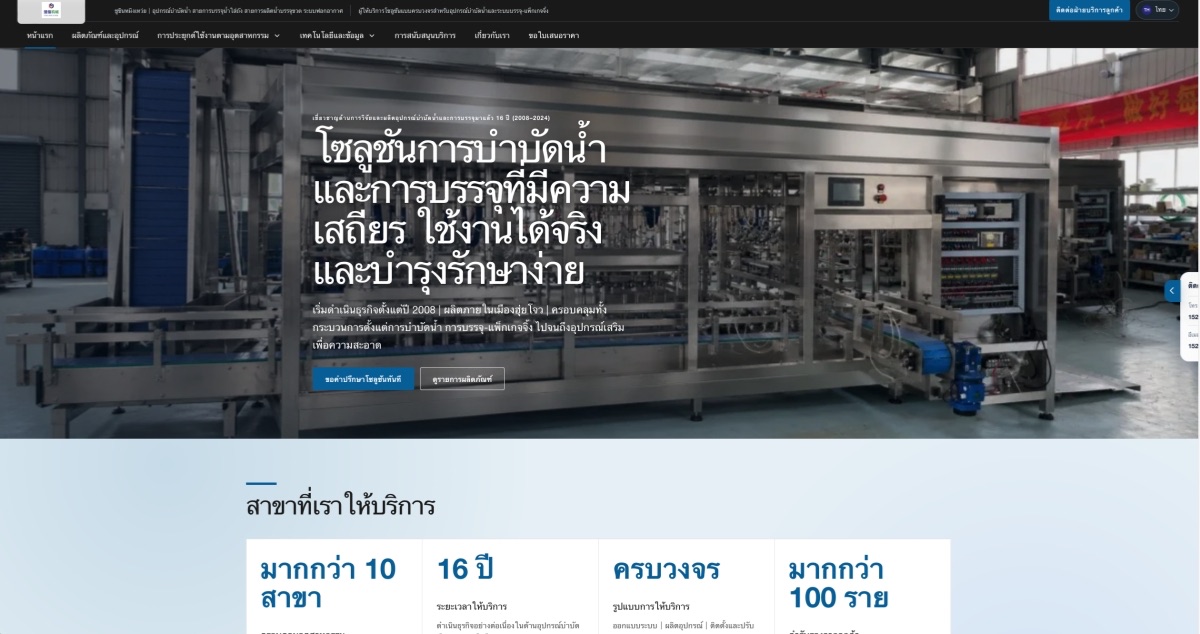
Water Treatment & Filling Equipment Manufacturer | Thai AI Digital Asset Website Case Study
Development of a Thai AI digital asset website for water treatment and filling equipment...
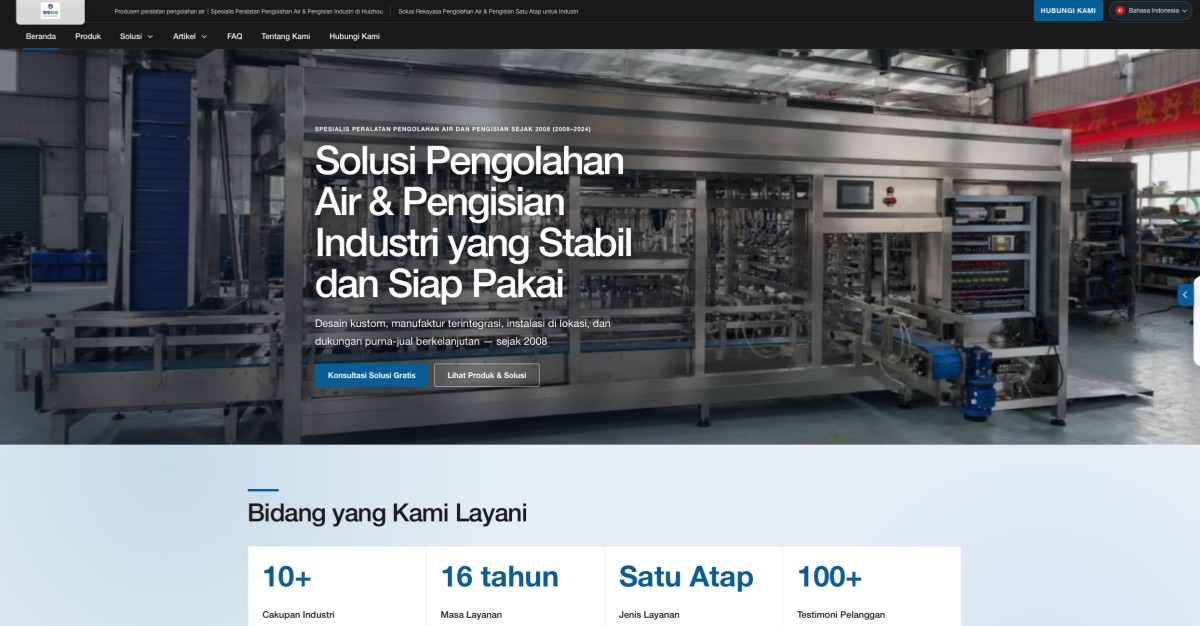
Water Treatment & Filling Equipment Manufacturer | Indonesian AI Digital Asset Website Case Study
An AI-powered digital asset website built for the Indonesian market, tailored for a wate...
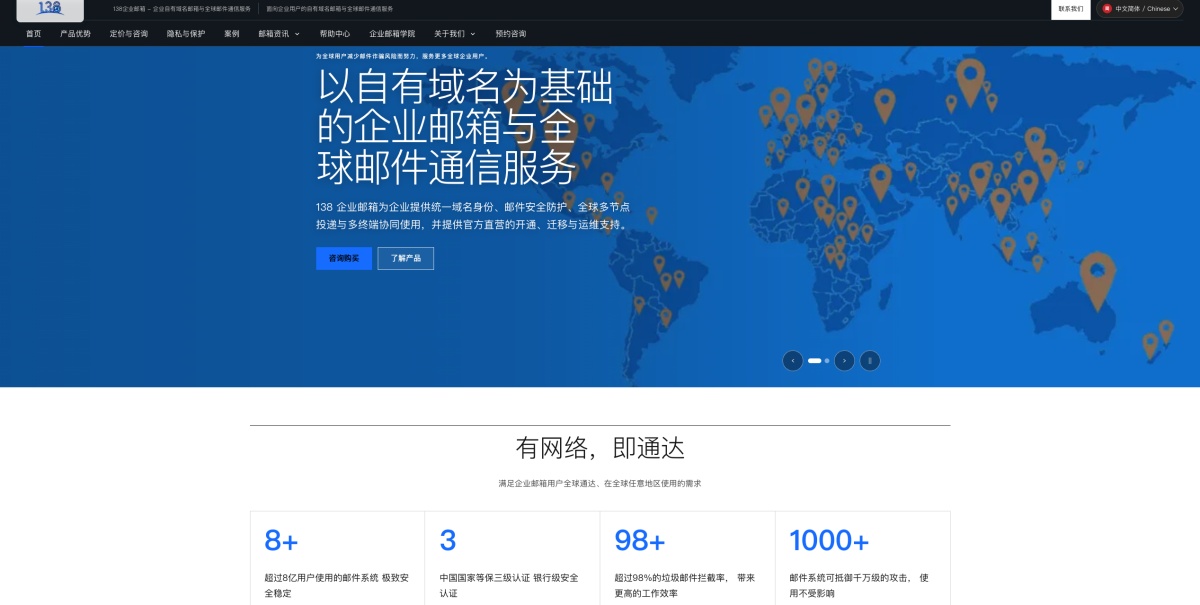
138 Enterprise Email | Chinese AI Digital Asset Website Case Study for Enterprise Services
Developed a Chinese AI digital asset website for an enterprise email service brand. By i...