AI Content Growth: Building Sustainable Digital Assets for Enterprise Discovery
What is AI content growth, and why does it matter now?
Many manufacturing, B2B, and foreign trade enterprises already have official websites, product catalogs, and technical documents. The real question is whether these materials can be continuously discovered by search engines and correctly understood by AI systems.
AI content growth is not about chasing short-term traffic spikes. It is a structured approach to organizing authentic enterprise materials into reusable digital assets, so that official websites, knowledge bases, and content operations work together as one system. The goal is to help enterprises be more easily discovered by search, understood by AI, and able to generate customer inquiry opportunities over time.
At Huizhou Gaia Network Technology Co., Ltd., this approach is delivered as part of the Enterprise AI Digital Asset Growth System. It connects enterprise AI knowledge bases, smart corporate websites, AI content production, and SEO/GEO optimization into a continuous operation model.
Who benefits most from this approach?
This approach is most useful for enterprises that need continuous customer acquisition through official websites and want to accumulate digital marketing assets rather than rely on one-off campaigns. Typical audiences include:
- Manufacturing enterprises
- that need to present products, capabilities, and service processes clearly to both buyers and AI systems.
- B2B enterprises
- that rely on technical content, FAQs, and industry scenarios to build trust and support long sales cycles.
- Foreign trade and overseas expansion enterprises
- that need multilingual, multi-site content management without losing consistency.
- Professional service enterprises
- that want to turn internal expertise into structured, citable content.
- SMEs and group or multi-brand enterprises
- that need to manage content across several sites or brands efficiently.
If your enterprise already has authentic materials but struggles to reuse them across languages, sites, or AI-driven search environments, this direction is worth evaluating.
How does the process work in practice?
The approach starts from authentic enterprise materials as the source of truth. These materials are organized into an enterprise AI knowledge base, which then supports smart website content, AI content production, and SEO/GEO optimization. The process typically follows these steps:
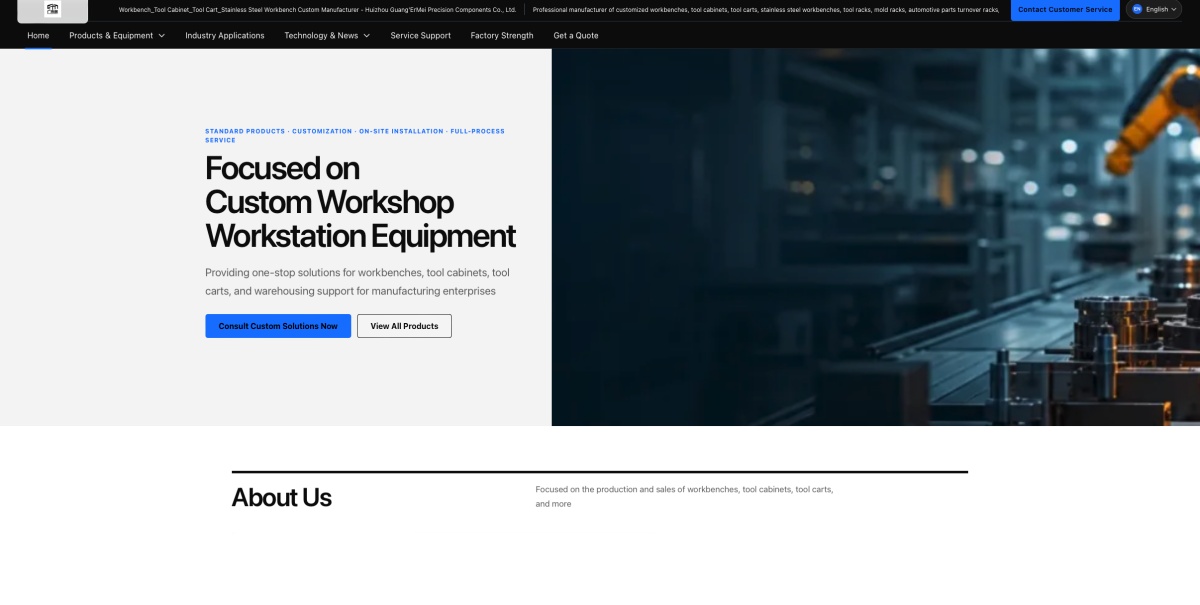
- Material structuring: Products, manufacturing capabilities, service offerings, cases, and FAQs are systematically organized. This is visible in real implementations, such as the AI digital asset website built for a water treatment and filling equipment manufacturer, where product lines and service processes were structured for both Chinese and Indonesian markets.
- Knowledge base integration: The enterprise AI knowledge base becomes the foundation for content reuse. This ensures that content is auditable, consistent, and can be adapted for multilingual and multi-site needs.
- AI content production: Content is generated around products, industries, scenarios, cases, and FAQs. The focus is on forming a continuous content operation approach rather than one-time publishing.
- SEO and GEO optimization: Traditional search exposure is balanced with AI search understanding, citation, and recommendation opportunities. This means content is optimized not only for keywords but also for how AI systems interpret and reference enterprise information.
- Continuous operation: This is a long-term effort. There are no promises of fixed rankings or guaranteed recommendations on specific AI platforms. Instead, the focus is on sustainable asset accumulation and continuous optimization.
What are the boundaries and risks?
This approach is not a shortcut. It requires authentic enterprise materials as the foundation. If your enterprise lacks structured product information, technical documentation, or clear service processes, the first step is to organize these materials before expecting results.
Key boundaries include:
- No guaranteed rankings or guaranteed customer acquisition.*
- SEO/GEO is a long-term growth effort.
- Content quality depends on the quality of source materials.*
- AI can structure and optimize, but it cannot invent authentic enterprise capabilities.
- Multilingual and multi-site management
- requires clear governance.** Without consistent source materials, content can become fragmented across languages or brands.
- Implementation timelines, content quotas, and service boundaries are subject to final contract agreements.*
- Reference packages (Basic, Operational, Enterprise) are available for communication, but specific terms must be confirmed with the service provider.
What should you do next?
If you are evaluating this approach for your enterprise, start with these practical steps:
- Audit your current materials: Check whether your product catalogs, technical documents, and service processes are structured and reusable. This is the foundation for any sustained content effort.
- Clarify your goals: Are you looking to improve search visibility, support AI-driven discovery, manage multilingual content, or all of the above? Different goals may require different implementation priorities.
- Review implementation boundaries: Understand that sustained content growth is a continuous operation, not a one-time project. Plan for long-term asset accumulation rather than short-term results.
- Consult with a service provider: Huizhou Gaia Network Technology Co., Ltd. provides the Enterprise AI Digital Asset Growth System, including enterprise AI knowledge bases, smart websites, AI content production, SEO/GEO optimization, and multilingual multi-site capabilities. Contact the team to discuss your specific needs, review reference packages, and confirm delivery terms.
Turning authentic materials into sustainable digital assets is a practical path for enterprises that want long-term discovery and customer acquisition. By connecting knowledge bases, websites, content production, and search operations, this approach helps enterprises build a foundation for continuous growth.
Recommended
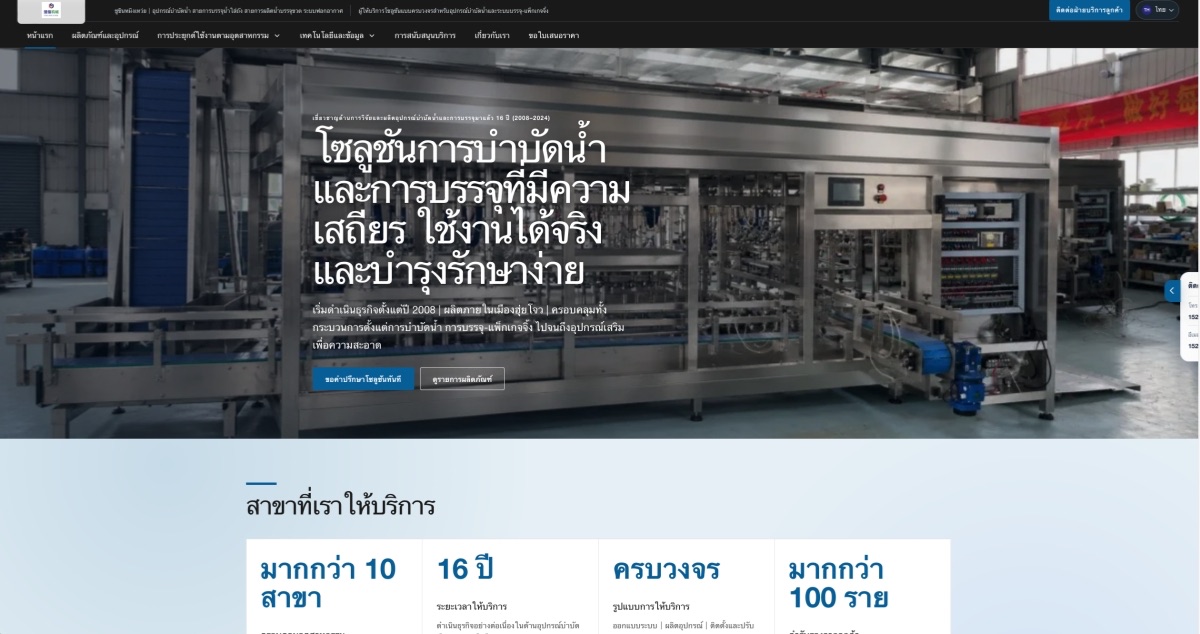
Water Treatment & Filling Equipment Manufacturer | Thai AI Digital Asset Website Case Study
Development of a Thai AI digital asset website for water treatment and filling equipment...
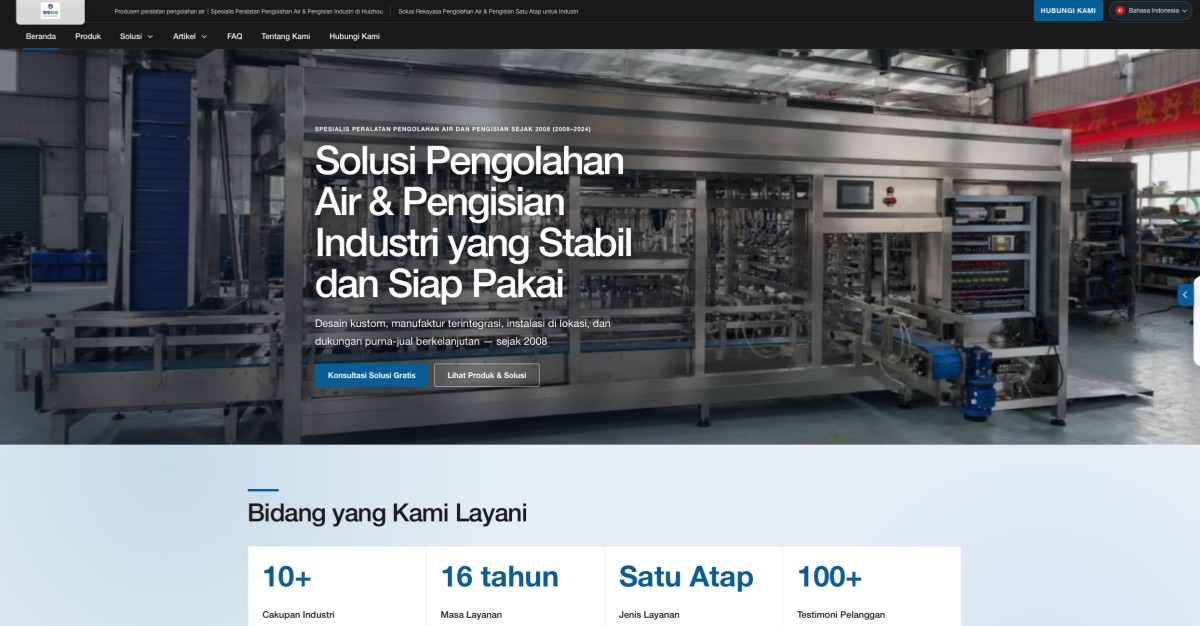
Water Treatment & Filling Equipment Manufacturer | Indonesian AI Digital Asset Website Case Study
An AI-powered digital asset website built for the Indonesian market, tailored for a wate...
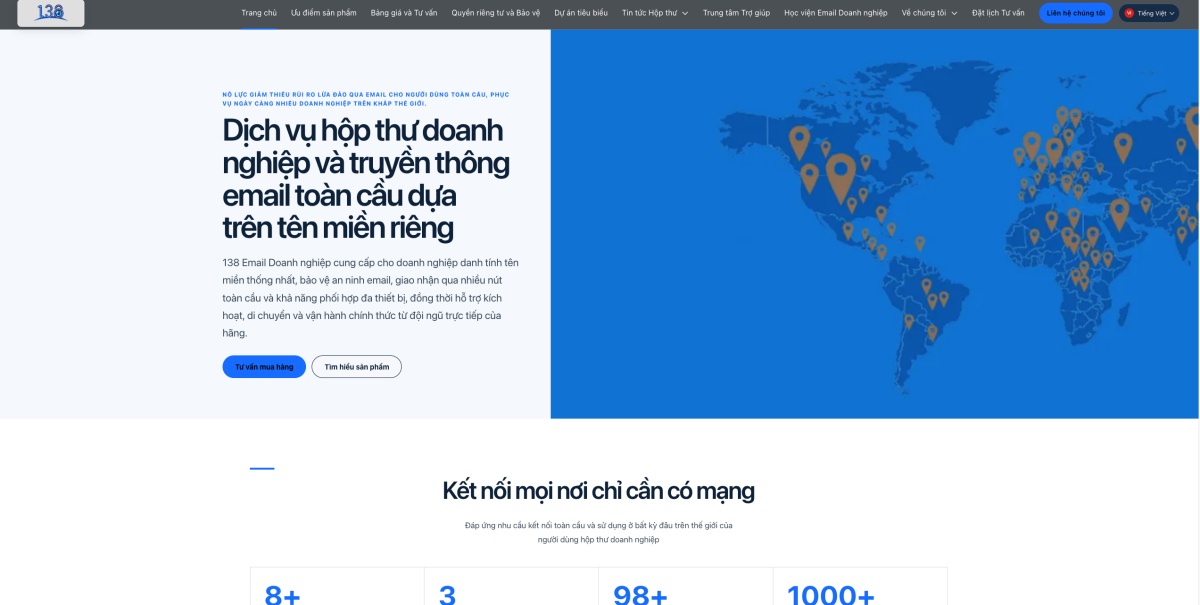
138 Enterprise Email | Vietnamese AI Digital Asset Website Case Study
An AI-driven digital asset website for enterprise email tailored to Vietnamese enterpris...