AI Content Generation for Environmental Protection Equipment: Concepts, Use Cases, and Next Steps
Environmental protection equipment manufacturers and B2B suppliers often struggle with a common problem: they have deep technical knowledge, field experience, and compliance documentation, but their official websites do not reflect this expertise in a way that search engines or AI systems can understand and recommend. AI content generation for environmental protection equipment is not about replacing engineers with chatbots. It is about structuring authentic enterprise materials into a digital asset system that supports continuous discovery, customer inquiry, and long-term growth.
This article explains the concept, identifies the target audience, outlines practical use cases, clarifies implementation boundaries, and provides a step-by-step path for manufacturers preparing to adopt AI-driven content operations.
Who Is This For?
AI content generation for environmental protection equipment is most relevant for:
- Manufacturers of water treatment, air purification, waste handling, or emissions control equipment
- who need to present product specifications, application scenarios, and compliance data in a structured, searchable format.
- B2B suppliers and system integrators
- serving industrial clients who require detailed technical documentation, selection guides, and FAQ content to shorten pre-sales cycles.
- Foreign trade and overseas expansion enterprises
- in the environmental sector who must maintain multilingual websites with consistent product information across markets.
- Group or multi-brand enterprises
- managing multiple product lines or regional sites that need a unified knowledge base to avoid content duplication and inconsistency.
If your enterprise falls into one of these categories, AI content generation can help you transform scattered technical documents into a coherent, AI-ready digital presence.
What Does AI Content Generation Actually Mean Here?
In the context of environmental protection equipment, AI content generation refers to a systematic process of:
- Collecting authentic enterprise materials: product manuals, technical parameters, application case studies, compliance certifications, and field service records.
- Structuring these materials into an enterprise AI knowledge base: organizing content by product type, application scenario, industry vertical, and customer decision questions.
- Generating website content, product pages, solution pages, and FAQ entries based on this knowledge base, ensuring consistency, accuracy, and auditability.
- Optimizing for both traditional search engines (SEO) and AI search systems (GEO): making sure your content is not only indexed by Google or Bing but also understood, cited, and recommended by AI platforms.
- Supporting multilingual and multi-site operations: reusing core content across different languages and regional sites while maintaining technical accuracy and brand consistency.
This is not a one-time project. It is a continuous operation model centered around products, industries, scenarios, cases, and FAQs.
Practical Use Cases for Environmental Protection Equipment
Use Case 1: Product Page Generation
A manufacturer of industrial wastewater treatment systems needs to present multiple product models with different capacities, materials, and application scenarios. Instead of writing each product page manually, the enterprise AI knowledge base stores core parameters, process descriptions, and compliance data. AI content generation then produces structured product pages that include:
- Equipment specifications and performance data
- Application scenarios (e.g., chemical industry, food processing, municipal wastewater)
- Selection guides and comparison tables
- Compliance and certification information
These pages are auditable, reusable, and optimized for both human readers and AI systems.
Use Case 2: Solution and Application Scenario Pages
Environmental protection equipment is often sold as part of a larger solution. A supplier of air purification systems for manufacturing plants may need to explain how their equipment integrates with existing production lines, what the expected outcomes are, and how to evaluate ROI. AI content generation can produce solution pages that address:
- Industry-specific challenges (e.g., VOC emissions in painting workshops)
- System configuration and integration recommendations
- Implementation steps and delivery boundaries
- Customer case studies and field performance data
Use Case 3: FAQ and Pre-Sales Support Content
Buyers of environmental protection equipment often have specific questions before making a purchase decision: What is the expected lifespan? What maintenance is required? How does the equipment comply with local regulations? AI content generation can produce FAQ entries based on real customer inquiries, field service records, and technical documentation. These FAQs serve both as website content and as training data for AI systems that may recommend your products.
Use Case 4: Multilingual and Multi-Site Content Management
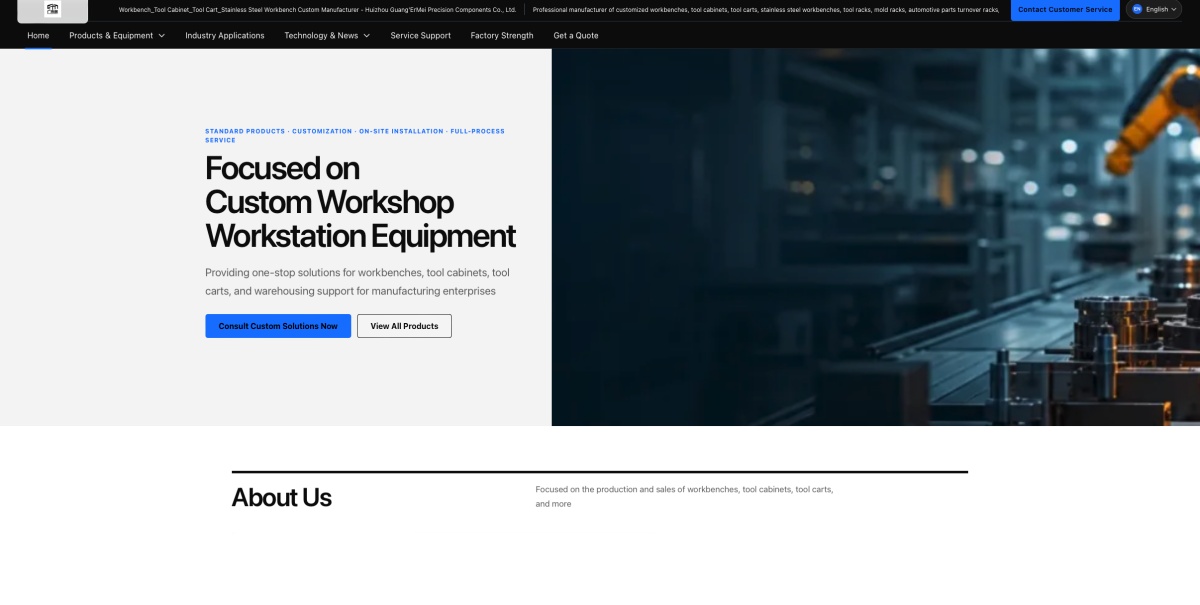
An environmental equipment manufacturer expanding into Southeast Asia needs to maintain a Chinese website for domestic clients and an English or Indonesian website for overseas markets. AI content generation supports multilingual operations by:
- Reusing core product and solution content across languages
- Adjusting expression and terminology for local markets
- Maintaining a unified knowledge base to avoid content drift
This approach reduces duplication, ensures consistency, and supports long-term digital asset accumulation.
Implementation Path: Step-by-Step with Checkpoints
Step 1: Audit Existing Materials
Before generating any content, collect and review all existing enterprise materials: product manuals, technical datasheets, compliance documents, case studies, and customer inquiries. Identify gaps, inconsistencies, and areas where content is missing or outdated.
Checkpoint: Do you have a centralized repository of authentic enterprise materials? If not, establish one before proceeding.
Step 2: Build the Enterprise AI Knowledge Base
Structure your materials into a knowledge base organized by product type, application scenario, industry vertical, and customer decision questions. This knowledge base becomes the single source of truth for all content generation.
Checkpoint: Is your knowledge base auditable and reusable? Can you trace every piece of generated content back to an original source document?
Step 3: Generate Website Content
Use the knowledge base to generate product pages, solution pages, FAQ entries, and industry articles. Ensure that all content is reviewed by technical experts before publication.
Checkpoint: Is every piece of content reviewed and approved by subject matter experts? Are technical parameters and compliance data accurate?
Step 4: Optimize for SEO and GEO
Apply basic SEO optimization to ensure your content is discoverable by traditional search engines. Apply GEO (Generative Engine Optimization) principles to ensure your content is understood and recommended by AI systems.
Checkpoint: Are your product pages optimized for relevant keywords? Is your content structured in a way that AI systems can understand and cite?
Step 5: Support Multilingual and Multi-Site Operations
If you operate in multiple markets, extend your content generation to support multilingual websites. Reuse core content across languages while adjusting expression for local audiences.
Checkpoint: Is your multilingual content consistent with your core knowledge base? Are technical terms and compliance data accurately translated?
Step 6: Establish Continuous Operations
AI content generation is not a one-time project. Establish a continuous operation model that includes:
- Regular updates to product information and compliance data
- Ongoing generation of new content based on customer inquiries and market trends
- Continuous optimization of SEO and GEO performance
Checkpoint: Do you have a process for reviewing and updating content on a regular basis? Are you tracking performance metrics and adjusting your strategy accordingly?
Boundaries and Risks: What AI Content Generation Cannot Do
It is important to understand the limitations of AI content generation for environmental protection equipment:
- No guaranteed rankings or customer acquisition: AI content generation supports long-term digital asset accumulation, but it does not promise fixed search rankings or guaranteed leads.
- No replacement for technical expertise: AI can structure and generate content, but technical accuracy and professional judgment must come from your enterprise.
- No instant results: Building a sustainable digital asset system takes time. Expect continuous optimization over months, not immediate transformation.
- No universal AI platform recommendations: Different AI systems have different criteria for content recommendation. There is no guarantee that your content will be cited or recommended by any specific AI platform.
Next Steps: How to Get Started
If you are a manufacturer or B2B supplier of environmental protection equipment and want to explore AI content generation for your digital assets, here is what you can do next:
- Request a free diagnosis: Evaluate your current website and digital asset readiness for AI-driven content operations.
- Review your existing materials: Identify what you have, what is missing, and what needs to be updated.
- Consult with a service provider: Discuss your specific needs, including product scope, target markets, multilingual requirements, and implementation timeline.
- Start with a pilot project: Begin with a single product line or market segment to test the approach before scaling across your entire enterprise.
Huizhou Gaia Network Technology Co., Ltd. provides an Enterprise AI Digital Asset Growth System that covers enterprise AI knowledge bases, smart corporate websites, AI content growth, SEO and GEO optimization, and multilingual multi-site capabilities. The system is designed for manufacturing, B2B, foreign trade, and professional service enterprises seeking to build sustainable digital marketing assets for continuous customer acquisition.
For more information or to request a diagnosis, contact Huizhou Gaia Network Technology Co., Ltd. today.
Recommended
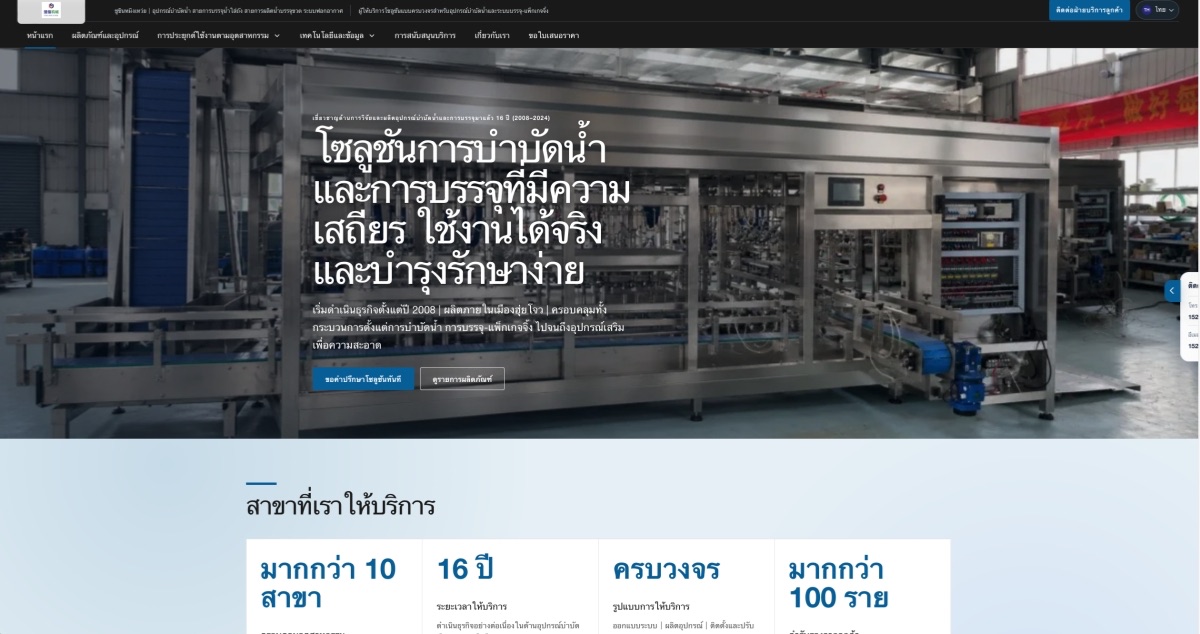
Water Treatment & Filling Equipment Manufacturer | Thai AI Digital Asset Website Case Study
Development of a Thai AI digital asset website for water treatment and filling equipment...
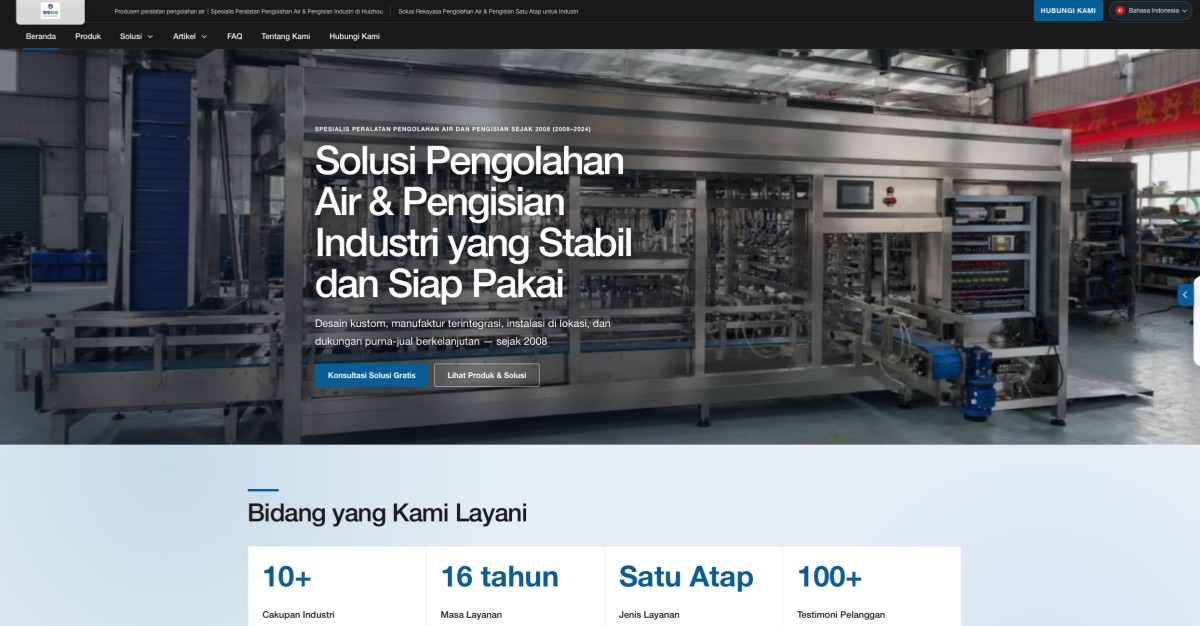
Water Treatment & Filling Equipment Manufacturer | Indonesian AI Digital Asset Website Case Study
An AI-powered digital asset website built for the Indonesian market, tailored for a wate...
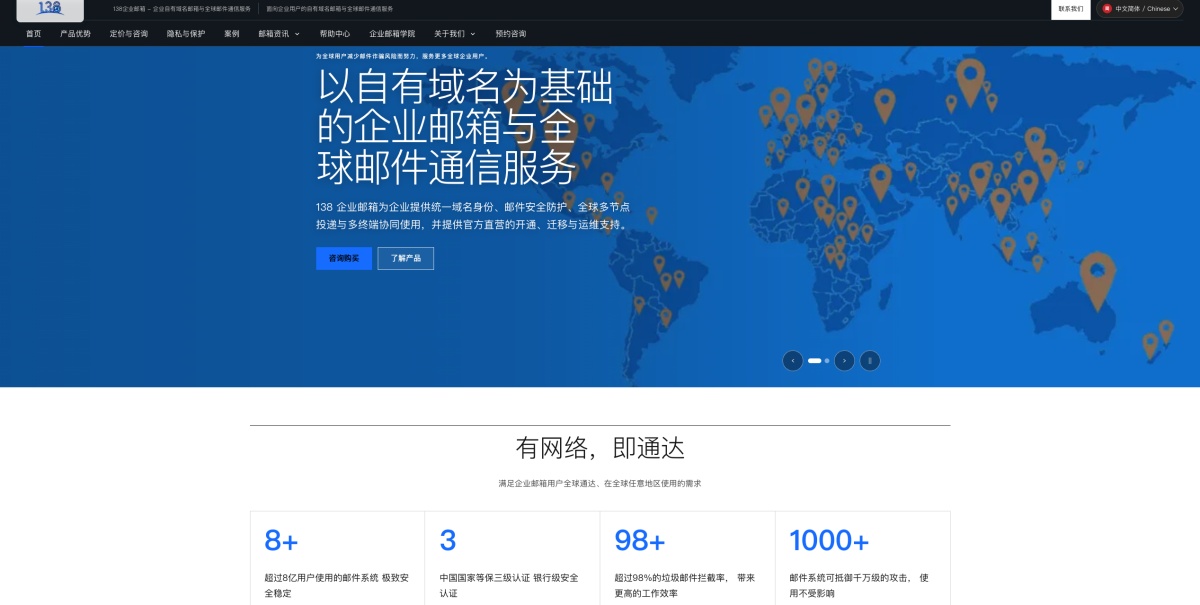
138 Enterprise Email | Chinese AI Digital Asset Website Case Study for Enterprise Services
Developed a Chinese AI digital asset website for an enterprise email service brand. By i...