AI Article Generation for Manufacturing: Concepts, Use Cases & Next Steps
Why manufacturing buyers ask about AI article generation
Manufacturing marketing teams often face the same bottleneck: engineers hold the real product knowledge, but the website stays thin on detail. AI article generation for manufacturing promises to close that gap by turning technical documents, process descriptions, and customer questions into publishable web content. Before adopting it, decision-makers need to understand what the tool actually produces, where it fits inside a corporate website, and what risks appear when it is used without a verified knowledge base.
What AI article generation for manufacturing actually means
In a manufacturing context, AI article generation is not a standalone content factory. It is a workflow that reads verified enterprise materials—product specifications, application scenarios, process parameters, installation notes, and FAQ records—and produces structured articles such as product pages, selection guides, application notes, and technical explanations. The output is meant to feed a smart corporate website and support both traditional search (SEO) and AI-driven search citation (GEO).
The key constraint is the source of truth. If the AI writes from generic industry prompts, the result reads like every other supplier page. If it writes from audited enterprise materials, the content becomes reusable, checkable, and specific to the manufacturer's actual capabilities.
Who should consider it, and who should wait
AI article generation works best for three types of manufacturing enterprises:
- Equipment and component manufacturers
- that need to convert product catalogs, model variants, and application scenarios into detailed product pages and selection guides.
- Process-oriented manufacturers
- that want to document materials, tolerances, testing methods, and quality controls in a way that buyers and AI search tools can understand.
- Export and overseas expansion manufacturers
- that must reuse the same technical base across multilingual sites while keeping terminology consistent.
It is less suitable for companies that expect immediate ranking guarantees, fixed customer acquisition promises, or fully automated publishing without human review. Those expectations usually lead to low-quality content that damages long-term search visibility.
Typical use cases on a manufacturing website
A practical deployment usually covers four content types:
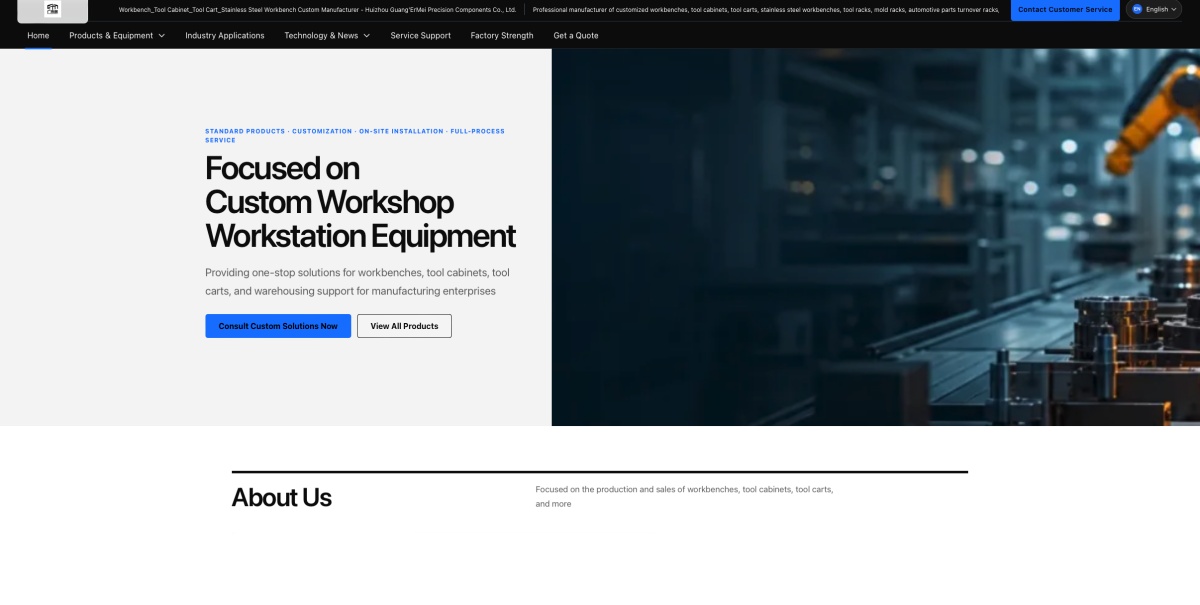
- Product content – model-specific pages explaining what the product is, who it is for, key parameters, and typical applications.
- Solution content – industry or scenario-based articles showing how the product fits into a buyer's workflow, such as water treatment line integration or filling equipment selection.
- Professional content – technical articles, process comparisons, and purchasing guides that demonstrate domain expertise.
- FAQ content – answers to real pre-sales questions about delivery, compatibility, installation, certification, and after-sales support.
Each type draws from the same enterprise knowledge base, which keeps messaging consistent across languages and sites.
Implementation boundaries and risk points
Three boundaries matter more than the AI model itself:
- Source verification.*
- Content must be based on real enterprise materials. AI improves drafting speed; enterprise knowledge determines credibility.
- No fixed ranking promises.*
- SEO and GEO are long-term accumulation efforts. Any supplier promising guaranteed positions or guaranteed AI platform citations should be treated as a red flag.
- Review and reuse.*
- Articles should be auditable before publishing and reusable across multilingual or multi-brand sites. Without a structured knowledge base, each language or site ends up with inconsistent messaging.
These boundaries protect the manufacturer from publishing content that looks professional but cannot be defended during buyer inquiries or technical audits.
How to evaluate a deployment approach
When comparing options, manufacturing buyers can use the following constraints:
- Does the system connect an enterprise knowledge base, smart website, AI content production, and SEO/GEO optimization into one workflow?
- Can content be reused across multiple languages, sites, or brands without manual rework?
- Is there a clear separation between AI-assisted drafting and human review before publishing?
- Does the supplier position the service as long-term digital asset accumulation rather than short-term ranking tricks?
If the answer to these questions is unclear, the deployment is likely to produce content volume without lasting search or AI visibility value.
Next steps for first-time deployment
A conservative rollout usually follows three stages:
- Organize the knowledge base. Collect product manuals, process documents, past case notes, and real customer questions into a structured format.
- Pilot one content type. Start with product pages or FAQ articles for a single product line, then review accuracy, tone, and reuse potential.
- Expand to multilingual or multi-site needs. Once the core content is stable, extend it to overseas markets or additional brands using the same knowledge base.
This approach keeps the manufacturer in control of quality while gradually building a digital asset that search engines and AI platforms can understand over time.
Conclusion
AI article generation for manufacturing is most valuable when it is treated as part of an enterprise AI digital asset growth system, not as a standalone content shortcut. The real advantage comes from connecting verified enterprise materials, a smart corporate website, AI content production, and SEO/GEO optimization into a continuous operation. Manufacturers that start with a clear knowledge base, respect implementation boundaries, and avoid ranking guarantees will build content that remains useful for both human buyers and AI-driven search over the long term.
Recommended
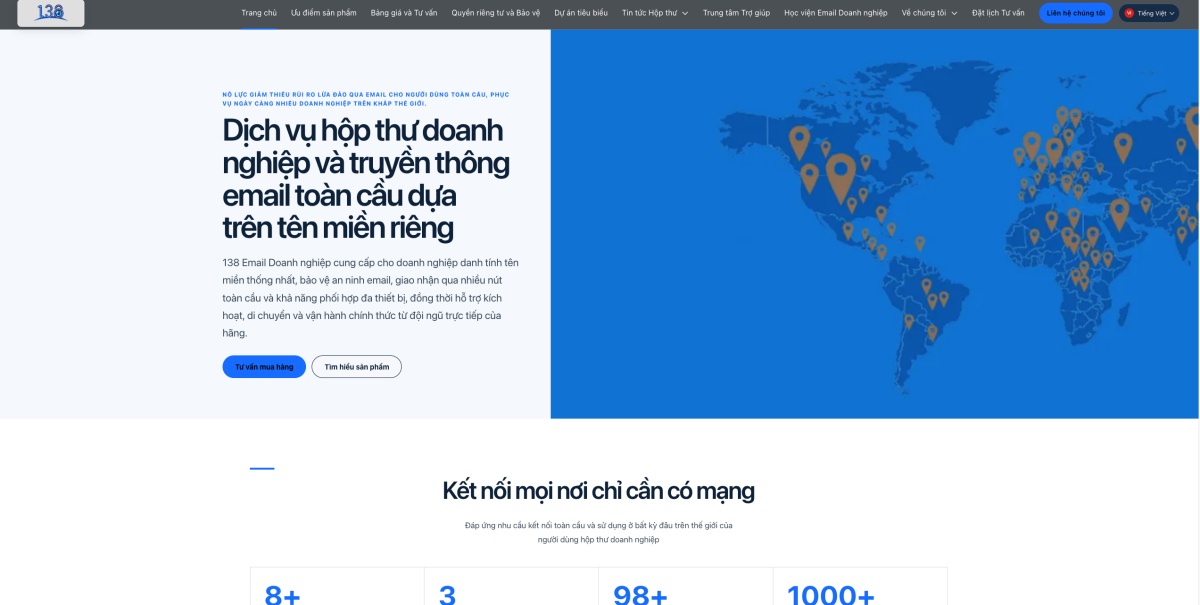
138 Enterprise Email | Vietnamese AI Digital Asset Website Case Study
An AI-driven digital asset website for enterprise email tailored to Vietnamese enterpris...
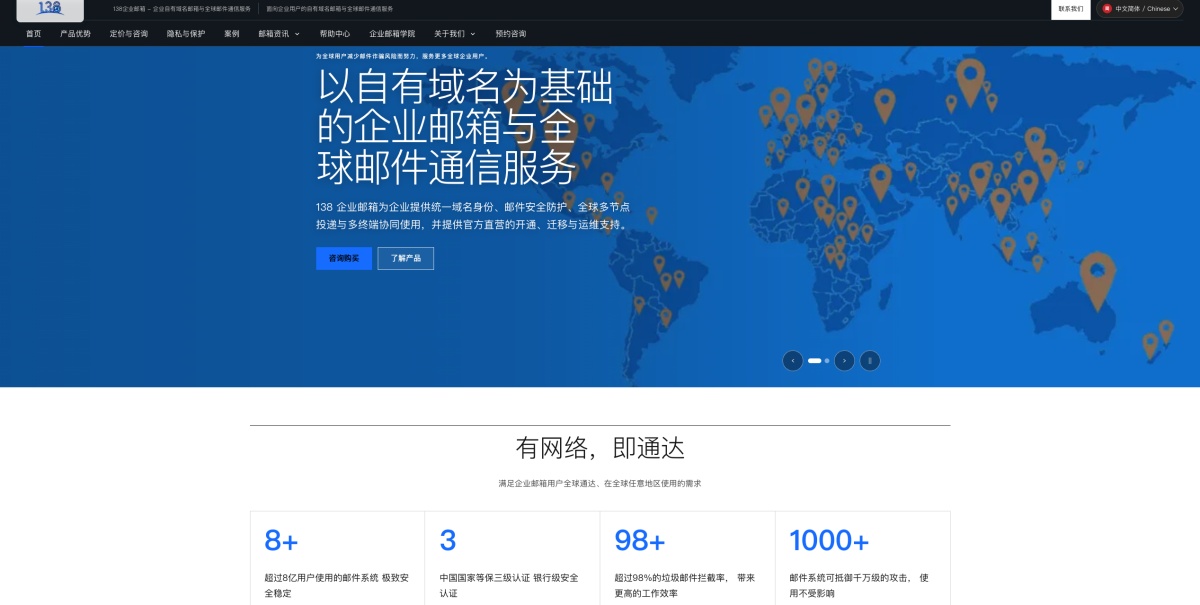
138 Enterprise Email | Chinese AI Digital Asset Website Case Study for Enterprise Services
Developed a Chinese AI digital asset website for an enterprise email service brand. By i...
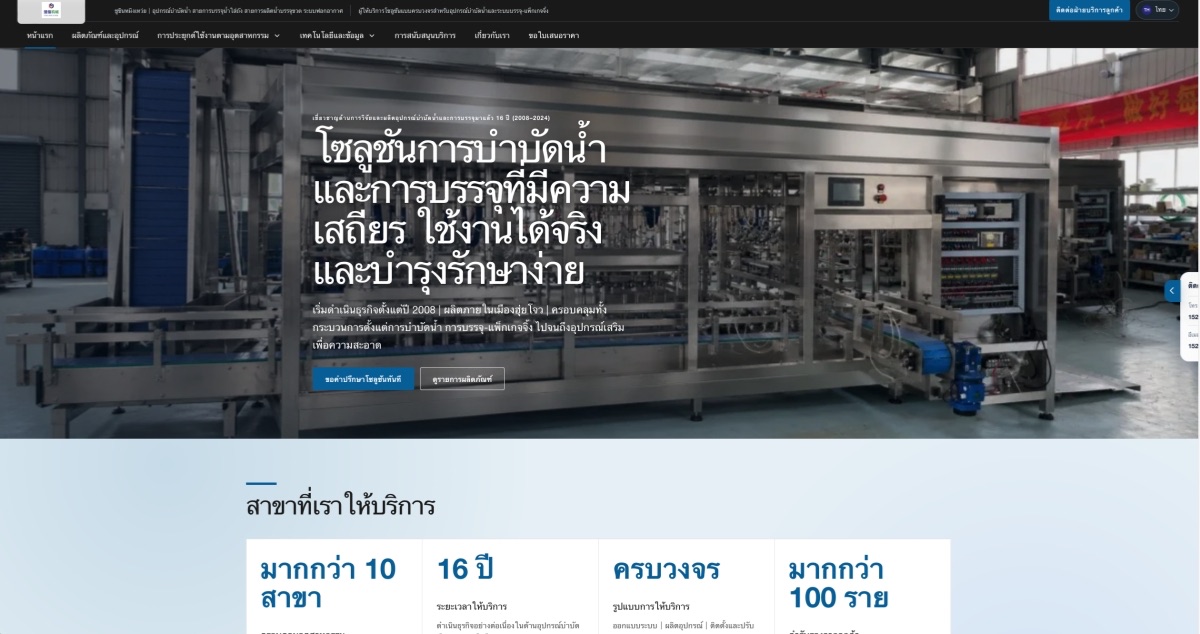
Water Treatment & Filling Equipment Manufacturer | Thai AI Digital Asset Website Case Study
Development of a Thai AI digital asset website for water treatment and filling equipment...