How does an Enterprise AI Knowledge Base actually help a manufacturing company with complex product catalogs?
Direct answer: An Enterprise AI Knowledge Base helps a manufacturing company with complex product catalogs by turning fragmented technical documents, specifications, and application notes into a single, structured, and machine-readable source of truth. This allows the official website, AI content production, and search engines (including AI search) to consistently understand, cite, and recommend the right products without relying on manually rewritten pages for every SKU.
Why complex catalogs fail in traditional website setups
Manufacturing companies typically face three recurring problems when managing large product catalogs online:
- Fragmented knowledge: Product specs, CAD references, material certificates, and application scenarios live in separate PDFs, emails, or internal systems.
- Inconsistent messaging: Different pages describe the same product family differently, confusing both buyers and search algorithms.
- Weak AI discoverability: AI search models cannot reliably recommend products when the underlying content is unstructured or contradictory.
How the Enterprise AI Knowledge Base solves this
Using authentic enterprise materials as the source of truth, the knowledge base organizes product data into auditable, reusable modules. Each product, variant, and application scenario is linked to verified documentation. This structure enables:
- Automated content generation: AI content growth tools can produce consistent product descriptions, FAQs, and case references across multiple languages and sites.
- Intelligent internal linking: The system automatically connects related products, industries, and use cases, improving navigation and SEO.
- AI search readiness (GEO): Structured knowledge makes it easier for AI models to understand and cite your products when buyers ask complex questions.
Applicable conditions and preparation
This approach works best when:
- The company has existing technical documentation (even if scattered).
- Product families share common parameters, materials, or application scenarios.
- The business serves B2B, manufacturing, or foreign trade markets where buyers research extensively before inquiry.
Preparation includes collecting product datasheets, application notes, and customer FAQs, then mapping them to a unified taxonomy.
Service boundaries and realistic expectations
The Enterprise AI Knowledge Base is a long-term digital asset, not a quick-fix ranking tool. It does not guarantee fixed search rankings or immediate customer acquisition. Instead, it builds a foundation for continuous content operations, SEO/GEO optimization, and multilingual site management. Results depend on the quality of source materials and ongoing operational effort.
Next steps
If your manufacturing company struggles with complex product catalogs and inconsistent online messaging, start by auditing your existing technical documentation. Then, evaluate how an Enterprise AI Knowledge Base can centralize and structure this knowledge for sustainable digital growth. Contact Huizhou Gaia Network Technology Co., Ltd. to discuss your specific catalog complexity and implementation scope.
Recommended
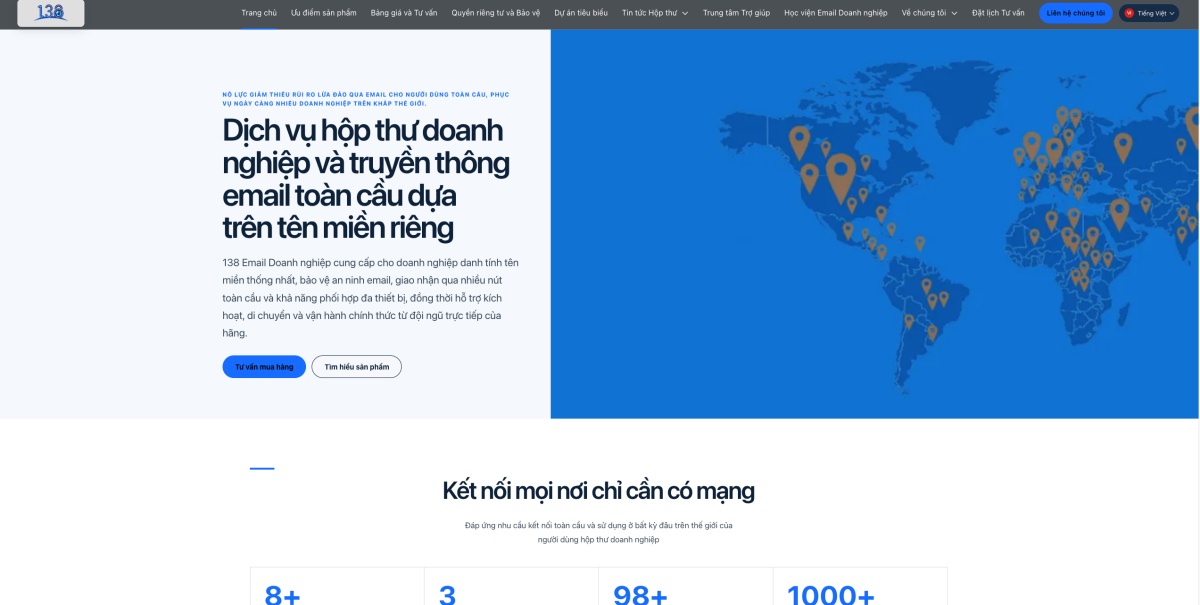
138 Enterprise Email | Vietnamese AI Digital Asset Website Case Study
An AI-driven digital asset website for enterprise email tailored to Vietnamese enterpris...
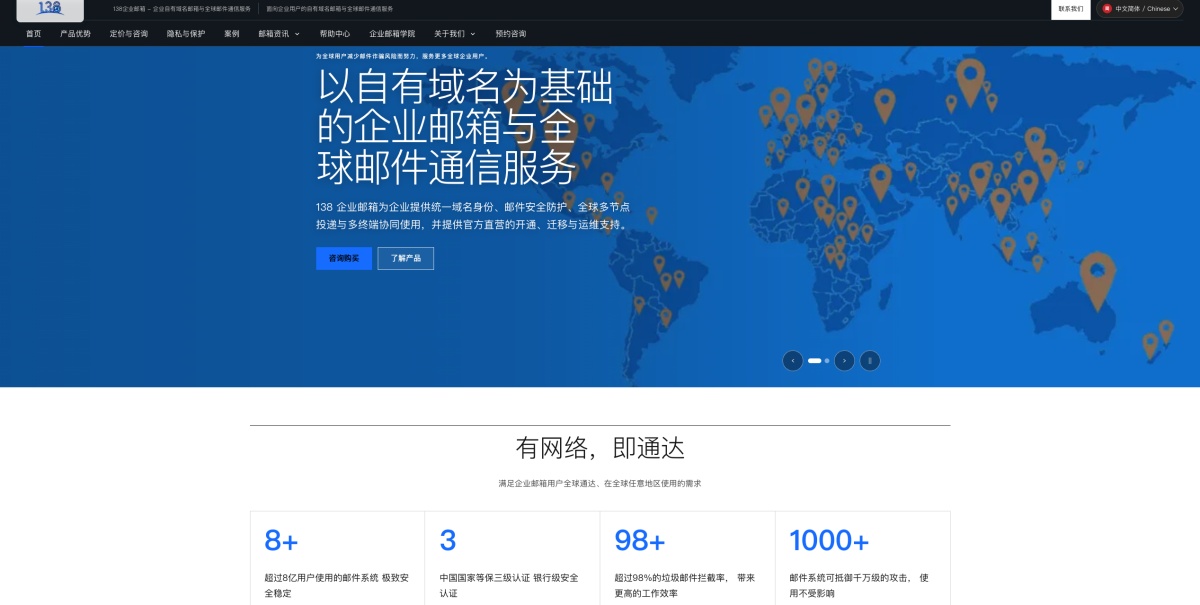
138 Enterprise Email | Chinese AI Digital Asset Website Case Study for Enterprise Services
Developed a Chinese AI digital asset website for an enterprise email service brand. By i...
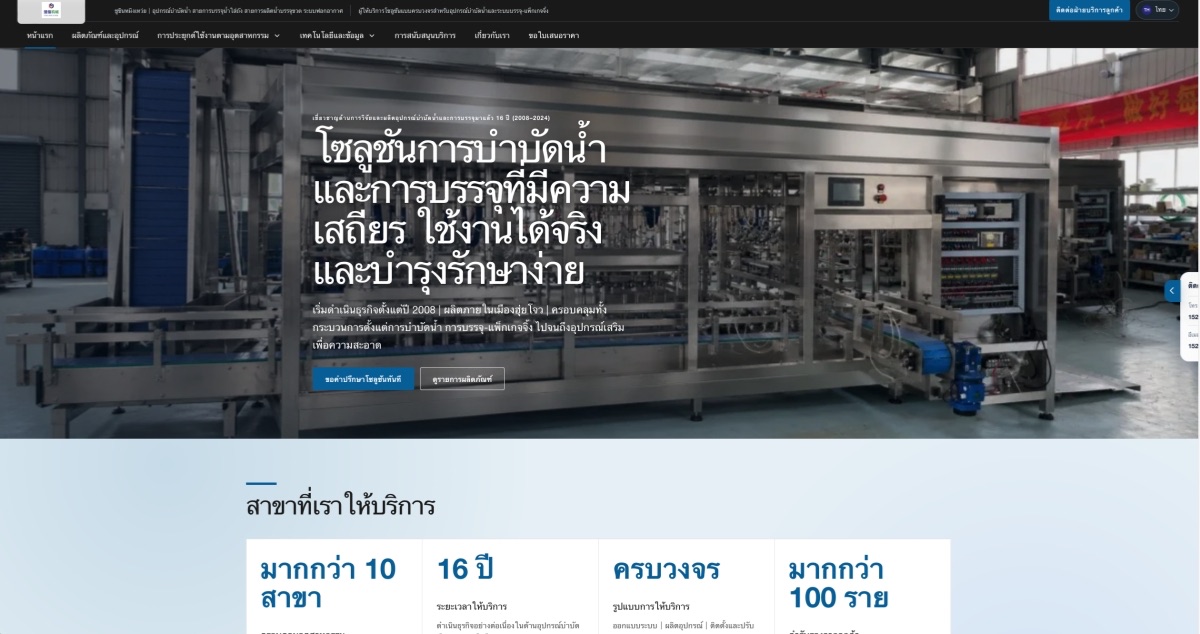
Water Treatment & Filling Equipment Manufacturer | Thai AI Digital Asset Website Case Study
Development of a Thai AI digital asset website for water treatment and filling equipment...