Water Treatment Equipment AI Content Generation: Concepts, Use Cases, and Next Steps
Why Most Water Treatment Equipment Websites Fail at Content
Many manufacturers invest in websites that list product models and basic specifications, yet fail to attract qualified inquiries. The root cause is rarely poor design—it is the absence of structured, reusable content that answers real buyer questions. When technical documentation, application experience, and industry knowledge remain locked in internal files or sales emails, the website cannot serve as a growth engine.
For water treatment and filling equipment makers targeting domestic or international markets, this gap becomes more critical. Buyers compare not just prices, but the clarity of your process descriptions, the depth of your application cases, and your ability to explain technical choices. AI content generation offers a way to bridge this gap—but only when it is built on authentic enterprise materials, not generic templates.
What AI Content Generation Actually Means for Equipment Manufacturers
AI content generation in this context does not mean replacing your engineers or producing mass-produced blog posts. It refers to a systematic process where your existing product manuals, technical parameters, service records, and application cases are organized into an enterprise AI knowledge base. From this knowledge base, AI-assisted tools generate structured content for:
- Product detail pages with clear specifications, application scenarios, and selection guidance
- Industry solution pages that address specific water treatment challenges
- FAQ content that resolves pre-purchase concerns about compatibility, delivery, or certification
- Multilingual versions that adapt technical expressions for different regional markets
The key principle is that all content originates from your verified materials. AI improves production efficiency, but your professional judgment determines credibility. This approach ensures content is auditable, reusable across multiple sites or languages, and aligned with how both search engines and AI platforms evaluate relevance.
Who Should Consider This Approach
This methodology is most relevant for:
- Manufacturing enterprises
- producing water treatment, filling, or related industrial equipment who need to convert technical documentation into customer-facing content
- B2B companies
- where purchase decisions involve multiple stakeholders and require detailed technical justification
- Foreign trade and overseas expansion businesses
- building multilingual sites for markets like Southeast Asia, where local buyers expect content in their language with region-specific application references
- Group or multi-brand operations
- managing several product lines or regional sites that need consistent messaging without redundant content creation
If your current website relies on static product catalogs without ongoing content operations, or if you struggle to maintain consistent messaging across languages and markets, AI content generation built on a knowledge base can address these gaps.
Practical Implementation Steps
Step 1: Audit and Structure Existing Materials
Begin by collecting all available enterprise materials: product manuals, technical specifications, past project documentation, service records, and customer FAQs. Organize these into categories such as products, solutions, cases, and professional knowledge. This becomes the foundation of your enterprise AI knowledge base.
Step 2: Define Content Types and Priorities
Not all content serves the same purpose. Prioritize based on buyer decision stages:
- Product content: What do you offer? What are the parameters and advantages? This feeds product detail pages and selection guides.
- Solution content: How do you solve specific industry problems? This supports application scenario pages.
- Case content: Have you actually done this work? What were the results? This builds trust through delivery evidence.
- FAQ content: What do buyers worry about before purchasing? This reduces pre-sales friction.
Step 3: Generate and Review Content with AI Assistance
Use AI tools to draft content based on your knowledge base inputs. For example, a water treatment equipment manufacturer can input product specifications and application scenarios to generate a product page that explains not just what the equipment does, but why certain design choices matter for specific water quality conditions. All AI-generated content must be reviewed by your technical team before publication to ensure accuracy and professional credibility.
Step 4: Optimize for Search and AI Discovery
Content must be structured for both traditional search engines and emerging AI platforms. This means:
- Clear headings and logical information architecture
- Semantic relevance to buyer search queries
- Factual consistency that allows AI systems to cite your content as a reliable source
- Multilingual adaptation that preserves technical accuracy while adjusting expression for local markets
Basic SEO and GEO (Generative Engine Optimization) practices ensure your content is discoverable and citable.
Step 5: Establish Continuous Operations
Content is not a one-time project. As products evolve, new applications emerge, and customer questions change, your content must be updated. A continuous operation model centered around products, industries, scenarios, cases, and FAQs ensures your digital assets grow over time rather than becoming outdated.
Boundaries and Risk Considerations
It is important to understand what this approach does and does not promise:
- No guaranteed rankings or fixed customer acquisition: SEO and GEO are long-term growth efforts. Results depend on content quality, market competition, and consistent operations.
- No replacement for professional judgment: AI assists content production, but your engineers and industry experts must validate technical accuracy.
- No instant multilingual perfection: Machine translation requires human review to ensure technical terms and local market expressions are appropriate.
- Content quality depends on input quality: If your source materials are incomplete or outdated, the generated content will reflect those gaps.
For water treatment equipment manufacturers, this means treating AI content generation as a tool for organizing and amplifying your existing expertise—not as a shortcut to bypass technical depth.
Next Steps for Decision Makers
If you are evaluating whether to implement an AI content generation system for your water treatment equipment business, consider these actions:
- Assess your current content assets: Do you have structured product documentation, application cases, and technical FAQs? If not, this is the first priority.
- Identify your target markets: Are you focusing on domestic buyers, or expanding to regions like Southeast Asia where multilingual content is essential?
- Evaluate your operational capacity: Can your team commit to ongoing content review and updates, or do you need external support for continuous operations?
- Request a diagnostic assessment: Many providers offer free evaluations of your current website's visibility to both search engines and AI platforms, helping you understand gaps and opportunities.
For manufacturers ready to move forward, the next step is typically a consultation to map your existing materials to a structured knowledge base, define content priorities, and establish an implementation timeline that aligns with your business goals.
Conclusion
AI content generation for water treatment equipment is not about producing more content—it is about producing the right content, grounded in your authentic expertise, structured for discovery, and maintained as a growing digital asset. When implemented with clear boundaries and professional oversight, it helps manufacturers be more easily found by search, understood by AI systems, and chosen by qualified buyers.
Recommended
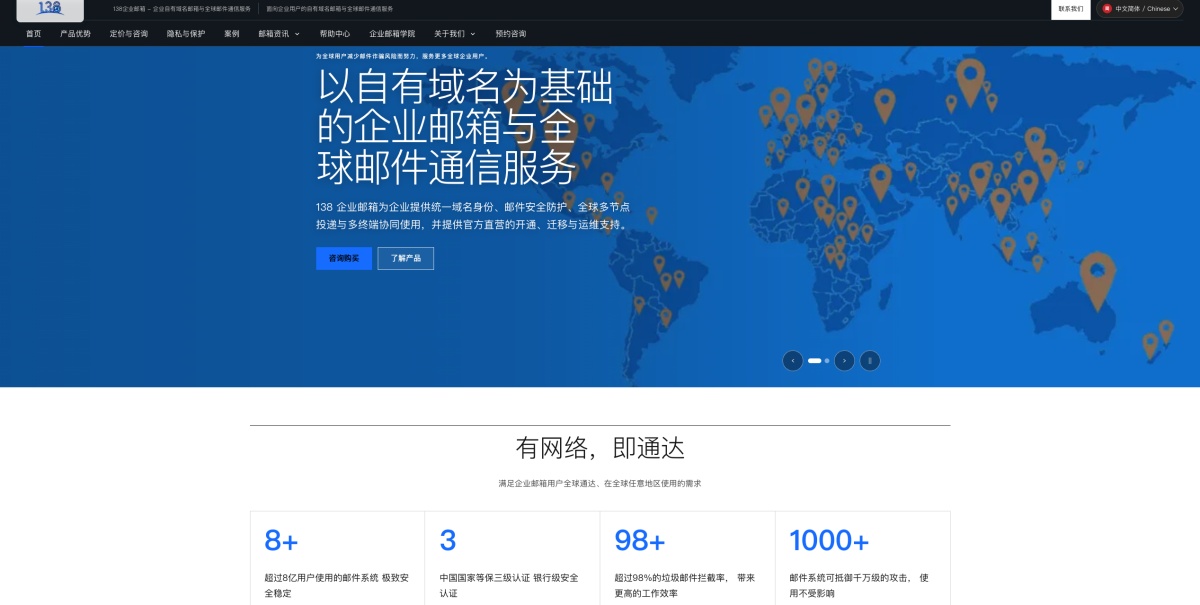
138 Enterprise Email | Chinese AI Digital Asset Website Case Study for Enterprise Services
Developed a Chinese AI digital asset website for an enterprise email service brand. By i...
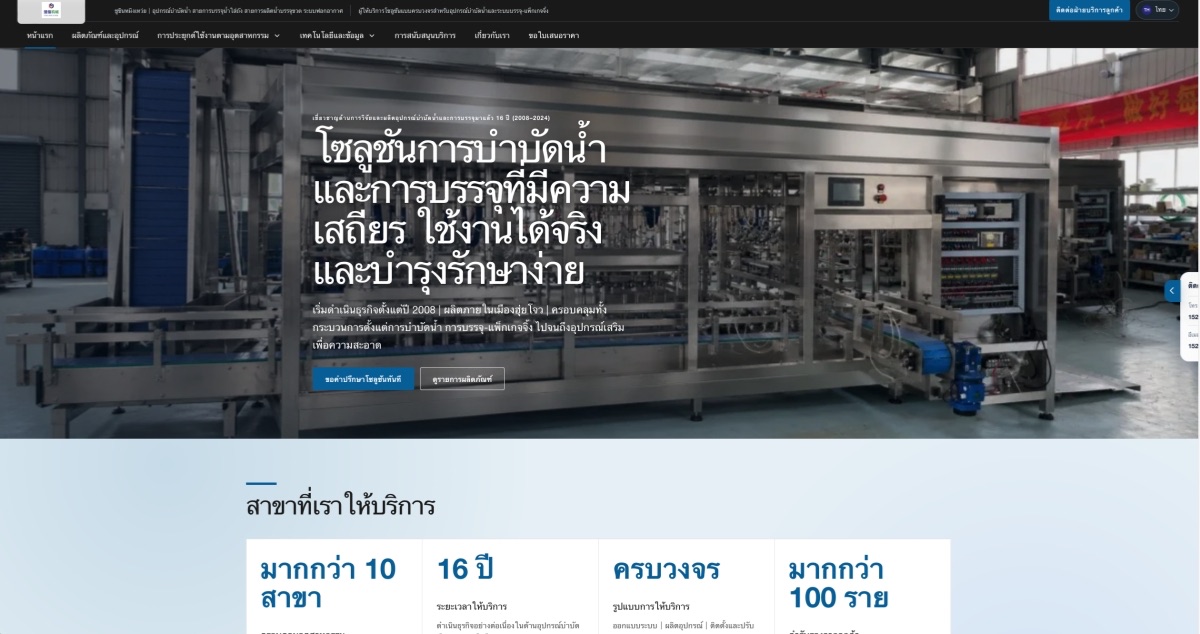
Water Treatment & Filling Equipment Manufacturer | Thai AI Digital Asset Website Case Study
Development of a Thai AI digital asset website for water treatment and filling equipment...
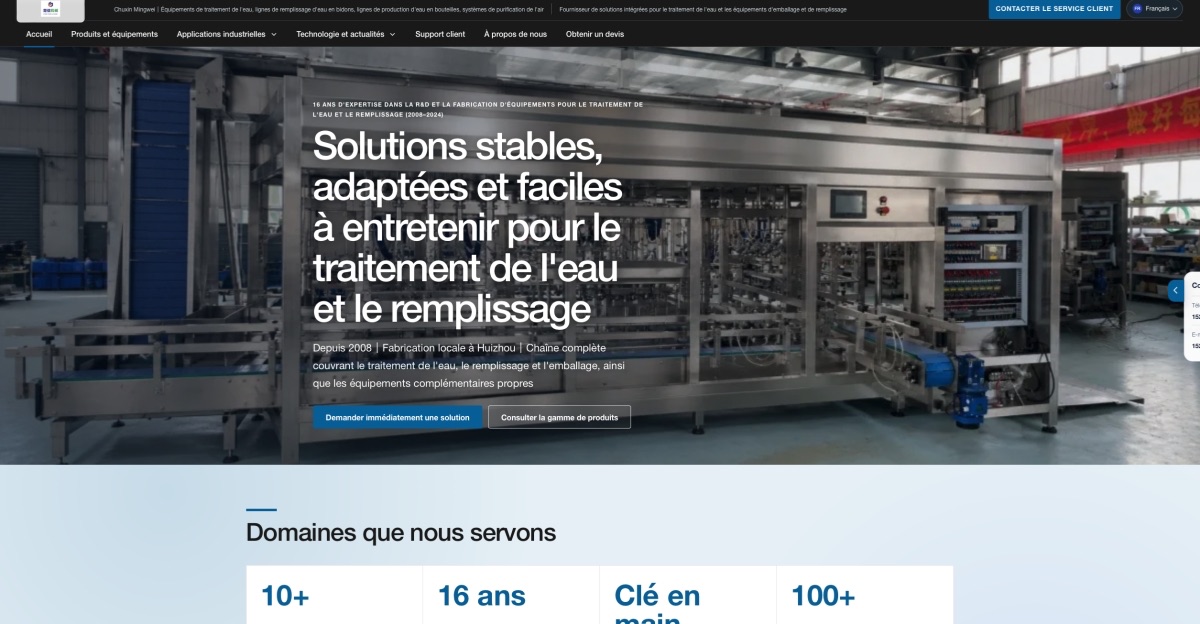
Water Treatment & Filling Equipment Manufacturer | French AI Digital Asset Standalone Website Case Study
Built on a unified AI enterprise knowledge base, this French digital asset standalone we...