Solutions Page for Auto Parts Companies: Configuration and Implementation Guide
Solutions Page for Auto Parts Companies: Configuration and Implementation Guide
Auto parts companies operating across multiple regions face a specific challenge: how to present product capabilities, compliance documentation, and technical specifications in a way that is both searchable by traditional engines and understandable by AI systems. A solutions page built on an Enterprise AI Digital Asset Growth System addresses this by connecting official websites, enterprise knowledge bases, and multilingual content operations into a single auditable digital asset.
This guide is designed for management and compliance leaders evaluating solution composition, implementation prerequisites, and operational boundaries before committing to a deployment.
Who This Solutions Page Structure Serves
The configuration described here applies to auto parts manufacturers and distributors that meet one or more of the following conditions:
- Operate in B2B markets where buyers research specifications, certifications, and production capabilities before inquiry
- Maintain or plan multilingual websites for cross-regional customer acquisition
- Need to organize technical documentation, product parameters, and application scenarios into reusable content assets
- Require traceable content that can be audited for compliance or reused across multiple brand sites
This structure does not promise fixed search rankings or guaranteed inquiry volumes. It is designed for long-term digital asset accumulation where content quality and structural clarity determine visibility over time.
Before Adoption: Prerequisites and Readiness Assessment
1. Enterprise Material Audit
The foundation of any solutions page built on this system is authentic enterprise material. Before implementation, companies should inventory:
- Product catalogs with verifiable specifications
- Manufacturing capability documentation
- Quality certifications and compliance records
- Existing technical FAQs and application notes
- Historical case references (anonymized if required by compliance policy)
Decision checkpoint: If materials are scattered across departments, inconsistent, or lack version control, the first step is establishing an enterprise AI knowledge base to centralize and structure these assets. The system treats the knowledge base as the single source of truth for all downstream content.
2. Cross-Regional Collaboration Requirements
Auto parts companies serving multiple markets must decide:
- Which languages and regional sites are required for initial launch
- Whether product specifications need localization or remain in original technical language
- How compliance documentation is managed across jurisdictions
- Who owns content approval workflows across regions
Decision checkpoint: The multilingual and multi-site management module supports centralized content creation with localized deployment. However, compliance review workflows must be defined before implementation, as the system does not override internal approval chains.
3. SEO and GEO Baseline Understanding
Traditional SEO optimization and Generative Engine Optimization (GEO) serve different but complementary purposes:
- SEO
- ensures the solutions page ranks for relevant technical and commercial queries
- GEO
- ensures AI systems can understand, cite, and recommend the company's capabilities when buyers use conversational search
Decision checkpoint: Companies should understand that neither SEO nor GEO delivers immediate or guaranteed results. Both require continuous content operation and structural optimization. The system integrates both approaches but does not promise specific ranking positions or AI platform recommendations.
During Implementation: Configuration and Deployment Stages
Stage 1: Knowledge Base Structuring
The enterprise AI knowledge base organizes raw materials into structured categories:
- Product lines with technical parameters
- Manufacturing processes and capabilities
- Application scenarios and industry use cases
- Quality control and compliance documentation
- Frequently asked questions with verified answers
Implementation note: Content must be auditable and reusable. The system does not generate unverified claims or speculative specifications. All content traces back to source materials provided by the enterprise.
Stage 2: Smart Website Configuration
The solutions page itself is built as part of a smart corporate website that includes:
- Clear information architecture linking products, solutions, cases, and FAQs
- Internal linking rules ensuring every product page connects to at least one solution, one FAQ, and one call-to-action
- Multilingual deployment with centralized content management
- Structured data markup for both traditional search and AI comprehension
Implementation note: The website structure follows a "less but complete" principle. Rather than creating numerous empty categories, the first version should include only product, solution, content, and trust-proof lines that are fully interlinked.
Stage 3: AI Content Growth Operations
Content production follows a continuous operation model centered on:
- Products and their technical evolution
- Industry applications and emerging use cases
- Customer scenarios and problem-solving approaches
- Case studies (anonymized or verified)
- FAQ updates based on actual inquiry patterns
Implementation note: AI-assisted content generation uses the enterprise knowledge base as its source of truth. The system does not fabricate specifications, customer names, or performance claims. Content quotas, language coverage, and service boundaries are defined in the final contract, not assumed during planning.
Stage 4: SEO and GEO Optimization
Optimization work includes:
- On-page technical SEO for solutions page structure
- Content alignment with target search intent (solution research, product comparison, compliance verification)
- Structured data implementation for AI comprehension
- Continuous monitoring and adjustment based on actual performance
Implementation note: SEO and GEO are long-term growth efforts. The system explicitly avoids promises of fixed rankings or guaranteed AI platform recommendations. Optimization is iterative and evidence-based.
After Adoption: Operational Boundaries and Risk Management
Content Audit and Compliance
All published content must remain auditable. The system supports:
- Version control for technical specifications
- Traceability from published content back to source materials
- Multi-brand content reuse with clear ownership tracking
Risk boundary: If enterprise materials change (e.g., product specifications are updated, certifications expire), the knowledge base and all downstream content must be updated accordingly. The system does not automatically detect external compliance changes.
Cross-Regional Content Governance
For companies operating multiple regional sites:
- Centralized content creation ensures consistency
- Localized deployment respects regional requirements
- Approval workflows must be defined before launch
Risk boundary: The system provides technical infrastructure for multilingual and multi-site management, but governance policies (who approves what, when, and how) are the responsibility of the enterprise.
Performance Expectations and Asset Accumulation
The Enterprise AI Digital Asset Growth System is designed for sustainable accumulation, not short-term spikes. Decision makers should expect:
- Gradual improvement in search visibility as content quality and structure mature
- Increasing AI system comprehension as structured data and content clarity improve
- Compounding returns as the knowledge base grows and content reuse expands
Risk boundary: No fixed timelines, ranking guarantees, or inquiry volume promises are made. Performance depends on content quality, operational consistency, and market conditions.
Next Steps for Evaluation
For management and compliance leaders evaluating this solution structure:
- Audit existing enterprise materials to determine knowledge base readiness
- Define cross-regional requirements including languages, compliance workflows, and content ownership
- Clarify SEO and GEO expectations with understanding that these are long-term efforts
- Request a diagnostic assessment of current website and AI visibility to establish baseline
- Review contract terms for content quotas, language coverage, service boundaries, and delivery cycles before commitment
The Enterprise AI Digital Asset Growth System provides the technical infrastructure and operational framework. Implementation success depends on enterprise material quality, governance clarity, and commitment to continuous operation.
Conclusion
A solutions page for auto parts companies is not a standalone marketing asset but part of an integrated digital ecosystem. When built on an Enterprise AI Digital Asset Growth System, it connects knowledge bases, smart websites, AI content operations, and SEO/GEO optimization into a coherent structure that serves both traditional search and AI comprehension.
For compliance and operations managers, the key decision factors are material auditability, cross-regional governance, and realistic performance expectations. The system provides the infrastructure; the enterprise provides the truth.
Recommended
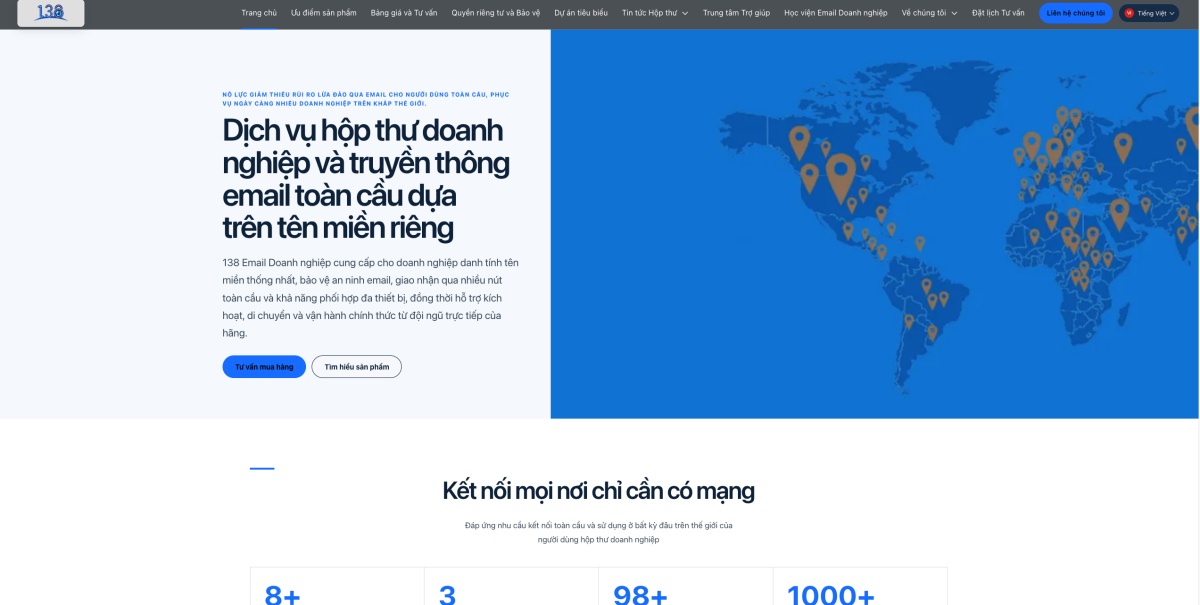
138 Enterprise Email | Vietnamese AI Digital Asset Website Case Study
An AI-driven digital asset website for enterprise email tailored to Vietnamese enterpris...
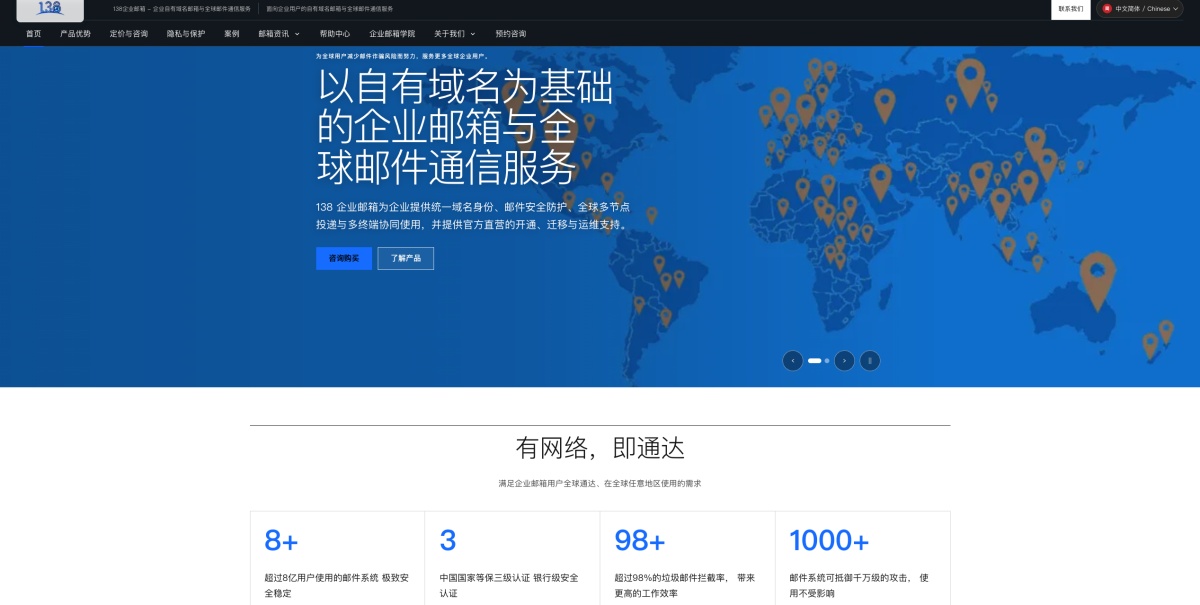
138 Enterprise Email | Chinese AI Digital Asset Website Case Study for Enterprise Services
Developed a Chinese AI digital asset website for an enterprise email service brand. By i...
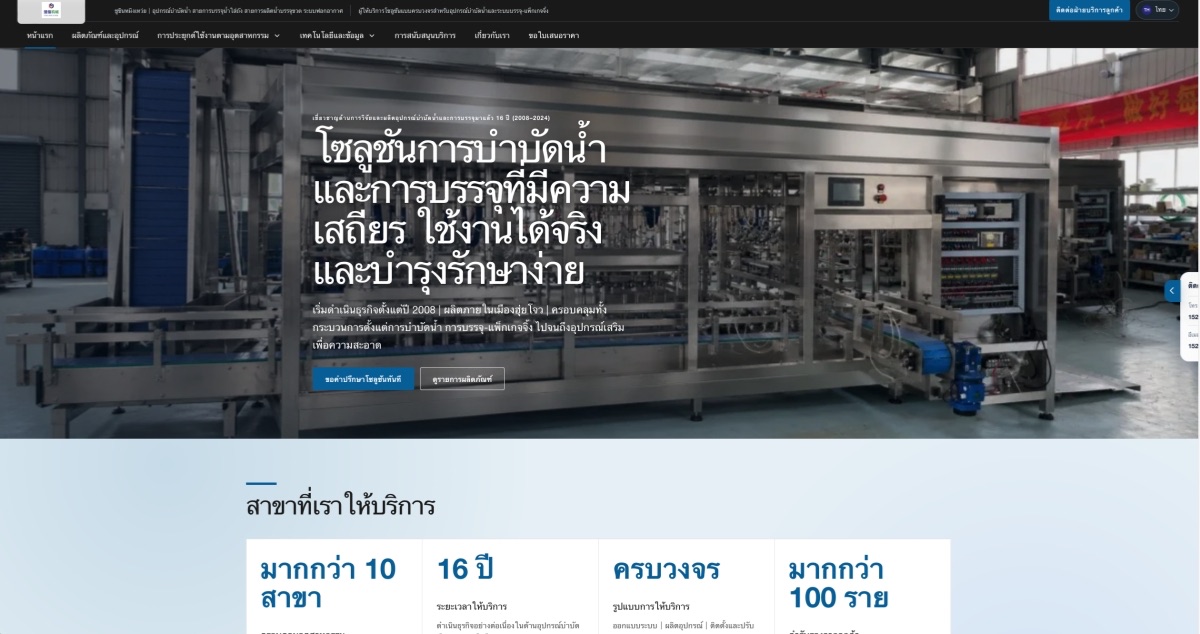
Water Treatment & Filling Equipment Manufacturer | Thai AI Digital Asset Website Case Study
Development of a Thai AI digital asset website for water treatment and filling equipment...