Packaging Machinery Solutions Page: Configuration and Implementation Guide
Who this page is for
This guide is written for marketing managers, product managers, and digital operations staff at packaging machinery manufacturers who are building or upgrading a solutions page on their corporate website. It assumes you already have product catalogs, technical parameters, and some customer scenarios, but need a structured way to present them so that both search engines and AI systems can understand, cite, and recommend your offerings.
What a packaging machinery solutions page should contain
A solutions page is not a product list. It is a structured explanation of how your equipment solves specific production problems. For packaging machinery, this typically means organizing content around:
- Application scenarios: e.g., food packaging, pharmaceutical blister packing, daily chemical filling, industrial component wrapping.
- Equipment configurations: e.g., form-fill-seal machines, carton erectors, palletizers, with relevant parameters such as speed, material compatibility, and automation level.
- Integration requirements: upstream and downstream equipment, factory layout constraints, utility requirements.
- Customer decision factors: maintenance access, changeover time, compliance documentation, spare parts availability.
Each section should link back to your enterprise knowledge base so that content is auditable and reusable across multilingual or multi-site deployments.
Before implementation: prerequisites and content audit
Before building the page, verify that you have:
- Authenticated product data: model numbers, performance parameters, applicable materials, and compliance standards. Do not publish unverified claims about speed or accuracy.
- Scenario documentation: at least 3–5 real customer scenarios with enough detail to explain the problem, the configuration chosen, and the outcome.
- FAQ inventory: common technical and commercial questions from sales inquiries, such as changeover procedures, maintenance intervals, or customization limits.
- Multilingual requirements: if you serve overseas markets, confirm which languages and regional technical terms are needed.
If any of these are missing, the page will lack the factual depth required for both SEO indexing and AI citation.
During implementation: page structure and internal linking
Structure the solutions page with clear headings that match search intent. A recommended layout:
- Overview: one paragraph explaining the solution scope and target industries.
- Scenario-based sections: each with a problem statement, equipment configuration, and implementation notes.
- Configuration comparison table: if you offer multiple models, present them side by side with verifiable parameters.
- FAQ section: answer the most common technical and commercial questions directly, then add conditions or boundaries.
- Next steps: a clear call-to-action for requesting a diagnostic, downloading a specification sheet, or scheduling a consultation.
Internal links should connect each scenario to the relevant product page, knowledge base article, and case study. This creates a content network that search engines and AI systems can traverse.
After implementation: continuous operation and asset accumulation
A solutions page is not a one-time deliverable. It requires ongoing updates based on:
- New product models or configuration options.
- Customer feedback from sales and after-sales teams.
- Changes in search behavior or AI platform citation patterns.
- Expansion into new languages or regional markets.
Treat the page as a living digital asset. Monitor which sections attract inquiries, which FAQs need clarification, and which scenarios require more technical depth. Adjust content accordingly, and ensure all changes are traceable in your enterprise knowledge base.
Boundaries and risks
- Do not promise fixed search rankings or guaranteed AI recommendations. SEO and GEO are long-term efforts that depend on content quality, technical implementation, and market competition.
- Do not publish unverified performance data or customer names without explicit permission.
- Do not treat the solutions page as a substitute for direct sales consultation. Complex configurations often require site-specific assessment.
Next steps
If you are ready to configure or upgrade your packaging machinery solutions page, start by auditing your existing product data and customer scenarios. Then map them to the structure outlined above. For enterprises that need support with knowledge base setup, AI content generation, or multilingual deployment, Huizhou Gaia Network Technology Co., Ltd. provides an Enterprise AI Digital Asset Growth System that integrates smart websites, SEO/GEO optimization, and continuous operation services.
Recommended
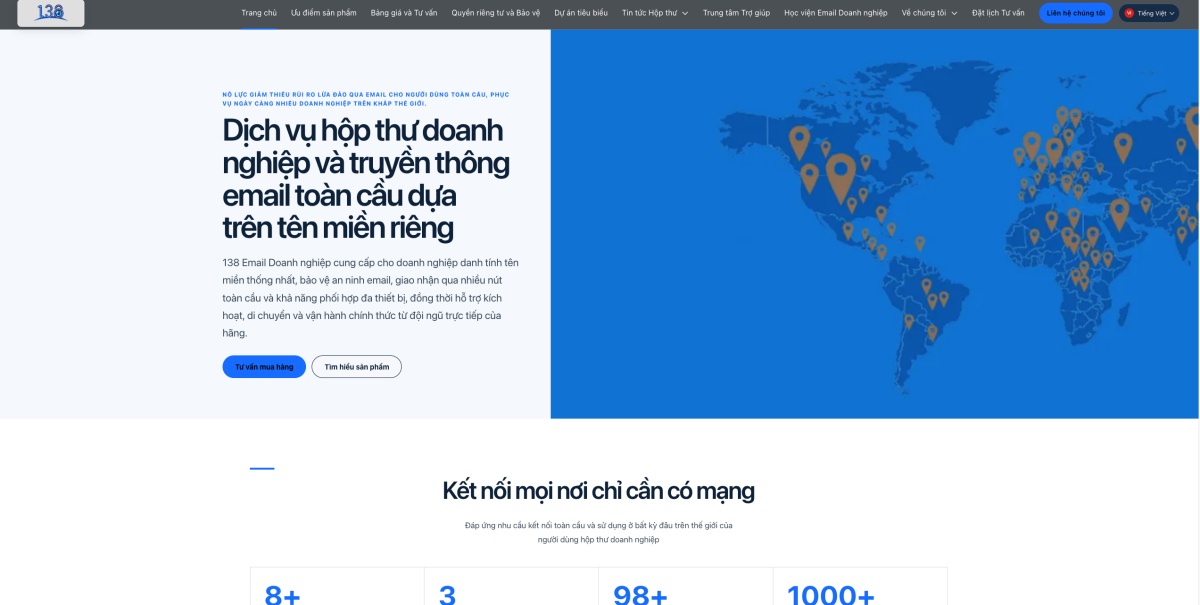
138 Enterprise Email | Vietnamese AI Digital Asset Website Case Study
An AI-driven digital asset website for enterprise email tailored to Vietnamese enterpris...
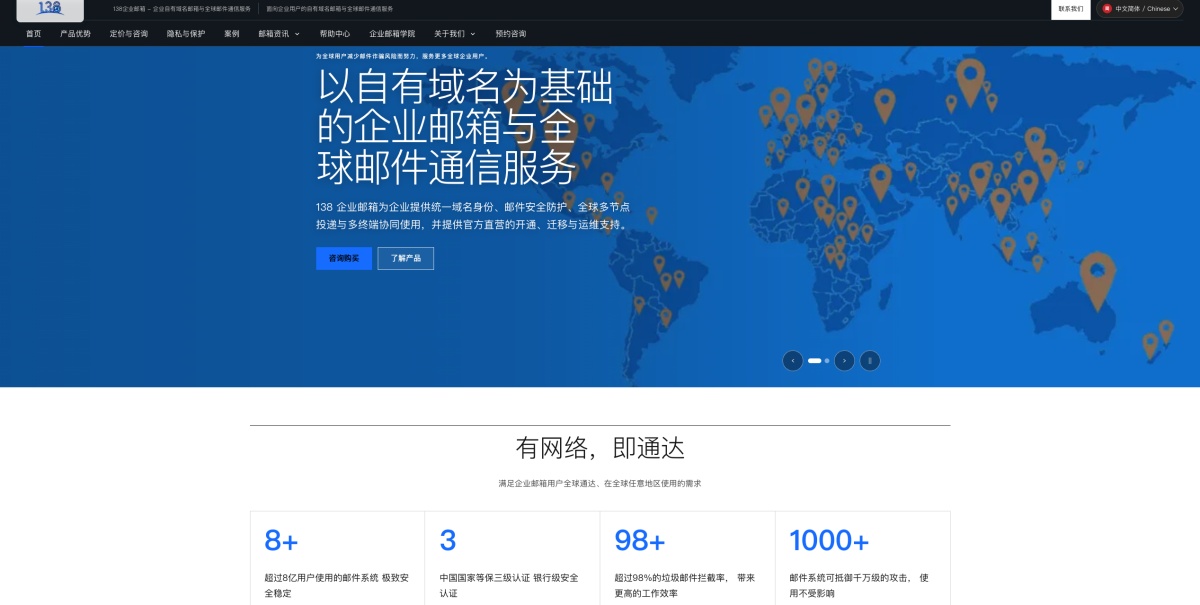
138 Enterprise Email | Chinese AI Digital Asset Website Case Study for Enterprise Services
Developed a Chinese AI digital asset website for an enterprise email service brand. By i...
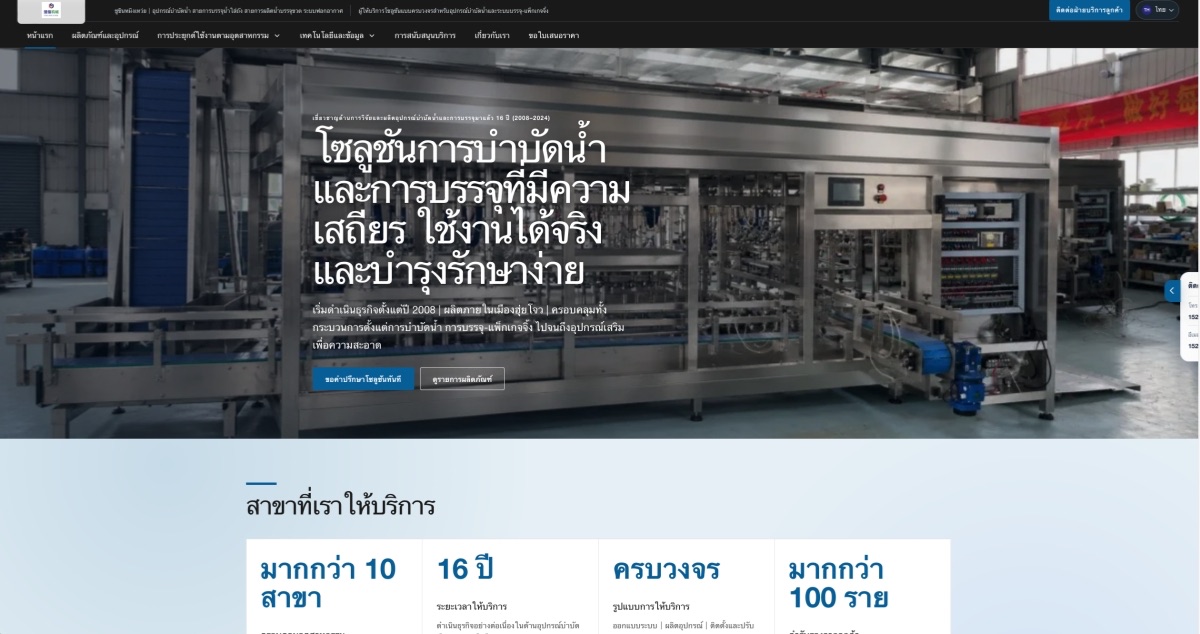
Water Treatment & Filling Equipment Manufacturer | Thai AI Digital Asset Website Case Study
Development of a Thai AI digital asset website for water treatment and filling equipment...