
Case Study Content Generation for Hardware Products: Concepts, Use Cases, and Next Steps
Who should use case study content for hardware products?
Case study content generation for hardware products is most relevant for manufacturers and B2B suppliers whose buyers need proof before making an inquiry. This includes industrial equipment makers, component suppliers, machinery exporters, and hardware businesses that sell through distributors, project teams, or overseas channels. For these companies, a product page alone may not answer the buyer's real questions. Buyers often want to know whether the product has been used in a similar scenario, what technical conditions were involved, how delivery was handled, and what support was available after installation. Case study content helps answer these questions without requiring sales teams to repeat the same explanations. This approach is also useful for foreign trade and overseas expansion teams. When a hardware company serves different markets, the same verified project information can be adapted into different languages and regional expressions. Instead of creating separate content from scratch for each market, the enterprise can build a reusable knowledge base and generate localized pages more efficiently.
What counts as useful evidence?
The most important rule is simple: case study content should be based on authentic enterprise materials. If a claim cannot be verified internally, it should not be published as fact. Useful evidence may include:
- Product specifications, model information, and technical parameters
- Application scenarios and operating conditions
- Delivery scope, installation requirements, or service boundaries
- Customer questions that appeared during pre-sales communication
- Frequently asked questions about compatibility, maintenance, lead time, or documentation
- Existing product manuals, catalogs, quotations, or internal project summaries For hardware products, specificity matters. A case study becomes more credible when it explains the situation clearly: what product category was involved, what application problem needed to be solved, what constraints existed, and what information the buyer needed before making a decision. At the same time, companies should avoid adding unverified details. If a customer name, certification, project location, performance number, or commercial result has not been confirmed, it should be omitted or described in general terms. This is especially important for B2B websites because buyers are sensitive to exaggerated claims.
How hardware case studies support website growth
Case study content is not only a sales tool. It can become part of a company's long-term digital asset system. When case studies are structured properly, they support three areas: website credibility, search visibility, and AI understanding. First, case studies help buyers understand the company's real capabilities. For manufacturing enterprises, this means showing how products are applied rather than only listing features. For professional service enterprises connected to hardware projects, it can also show implementation logic, service scope, and decision support. Second, case studies create natural topic clusters for SEO. A hardware manufacturer may publish pages around product models, industries, applications, installation environments, comparison questions, and FAQs. When these pages are internally linked, they form a clearer website architecture. For example, a case page can link to a product overview, an enterprise knowledge base, AI content growth guidance, SEO and GEO optimization resources, or a multilingual website solution. Third, structured case content helps AI systems understand the business. AI search tools and recommendation systems are more likely to use content that is factual, organized, and specific. Clear headings, consistent terminology, and direct answers to buyer questions make the content easier to interpret. This is where an enterprise AI knowledge base becomes useful. Instead of treating each case study as an isolated article, the company can store verified product facts, project summaries, FAQs, and terminology in a structured knowledge base. The website can then reuse this information for product pages, solution pages, multilingual content, and ongoing content operations.
A practical structure for hardware case study pages
A hardware case study does not need to be long, but it should be easy to scan. A practical structure includes the following elements:
1. Scenario summary
Start with the business scenario. What type of buyer was involved? What product category was needed? What was the main objective? Keep this section factual and concise.
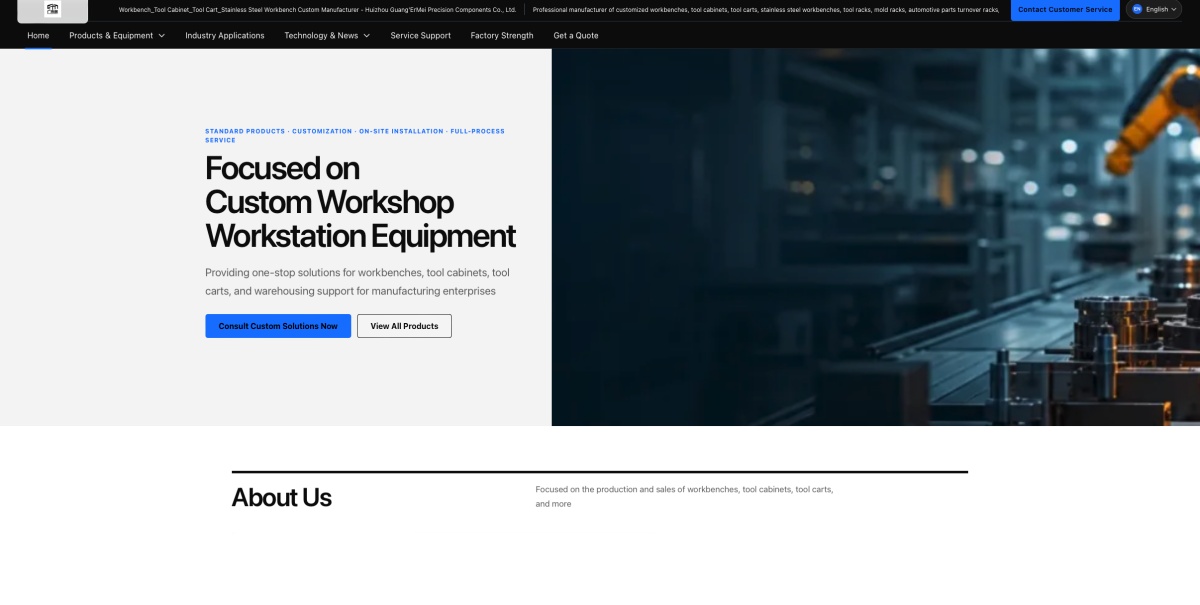
2. Product or solution scope
Describe the hardware product category, relevant model range if available, and the scope of the solution. Avoid vague statements such as "high quality" or "industry-leading" unless they can be supported by verified materials.
3. Key requirements and constraints
Explain what the buyer cared about. For hardware products, this may include technical compatibility, installation environment, documentation, export requirements, maintenance access, or training needs.
4. Implementation or delivery logic
Describe how the company approached the project. This does not need to reveal confidential information. It should simply show the process: requirement review, product selection, documentation, delivery, installation support, or after-sales communication.
5. Buyer questions answered
Include questions that real buyers often ask. For example: What information should we provide before requesting a quotation? Can the product be adapted for different voltage standards? What documents are available for export? What is the general service boundary?
6. Next step
End with a clear but restrained call to action. Invite the reader to request a diagnosis, ask about a similar application, or review related product and solution pages.
Boundaries and risks to avoid
Case study content generation becomes risky when companies prioritize persuasion over accuracy. Hardware buyers usually evaluate suppliers carefully, and unsupported claims can damage trust. Avoid the following:
- Invented customer names or project names
- Unverified certifications or awards
- Performance numbers without source documents
- Promises of fixed search rankings
- Guarantees of customer acquisition or sales results
- Claims that a specific AI platform will necessarily recommend the company
- Exaggerated statements such as "industry first" without evidence Another risk is content duplication. If a company simply copies the same case study across multiple languages, brands, or regional websites, the content may become less useful. Multilingual and multi-site content should be adapted to local search expressions, buyer concerns, and business terminology. The facts can remain consistent, but the presentation should feel natural for each audience. A further risk is treating case studies as one-time marketing pieces. For long-term value, case content should be connected to the website's knowledge system. It should support product pages, FAQ pages, solution pages, and internal linking. Otherwise, the content may attract attention briefly but fail to accumulate as a digital asset.
How to evaluate whether your company is ready
Before generating case study content, hardware companies should assess whether they have enough usable source material. The following checklist can help:
| Readiness area | What to check |
|---|---|
| Product information | Are product categories, specifications, and application notes available? |
| Project records | Are there delivery summaries, requirement notes, or service records that can be anonymized? |
| Buyer questions | Can sales teams list common pre-sales questions? |
| Website structure | Are there product, solution, FAQ, and contact pages that case studies can link to? |
| Multilingual needs | Will the content need to support overseas markets or multiple languages? |
| Review process | Who will approve technical claims before publication? |
| If most answers are positive, the company can begin with a small batch of case studies. If source materials are limited, the first step should be knowledge collection rather than content production. |
Next steps for hardware manufacturers
For manufacturing, B2B, foreign trade, and professional service enterprises, case study content generation should be treated as part of a broader digital asset strategy. The goal is not to publish a single article, but to create reusable content that supports the website, sales conversations, search visibility, and AI understanding over time. A practical starting point is to collect authentic materials: product documents, project summaries, FAQs, and common buyer objections. Then organize them into a structured enterprise knowledge base. From there, the company can generate case studies, product pages, solution pages, and multilingual content with consistent facts. Huizhou Gaia Network Technology Co., Ltd. provides an Enterprise AI Digital Asset Growth System covering enterprise AI knowledge bases, smart corporate websites, AI content growth, basic SEO and GEO optimization, and multilingual multi-site capabilities. Specific service scope, content quotas, languages, delivery boundaries, and timelines should be confirmed through consultation and the final contract.
Recommended
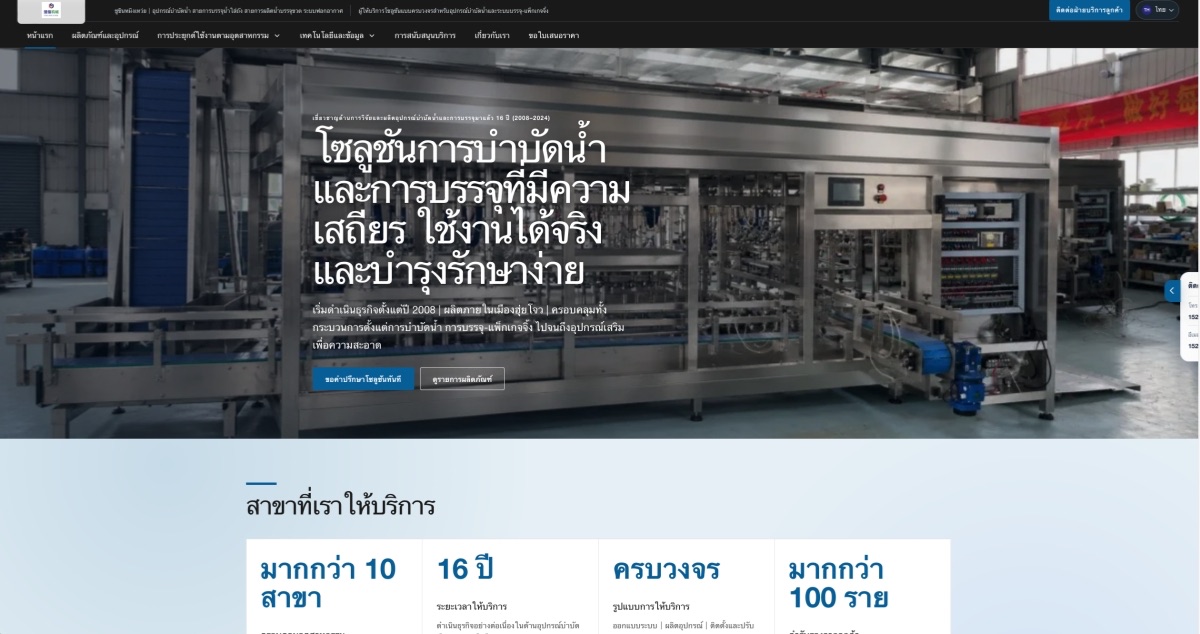
Water Treatment & Filling Equipment Manufacturer | Thai AI Digital Asset Website Case Study
Development of a Thai AI digital asset website for water treatment and filling equipment...
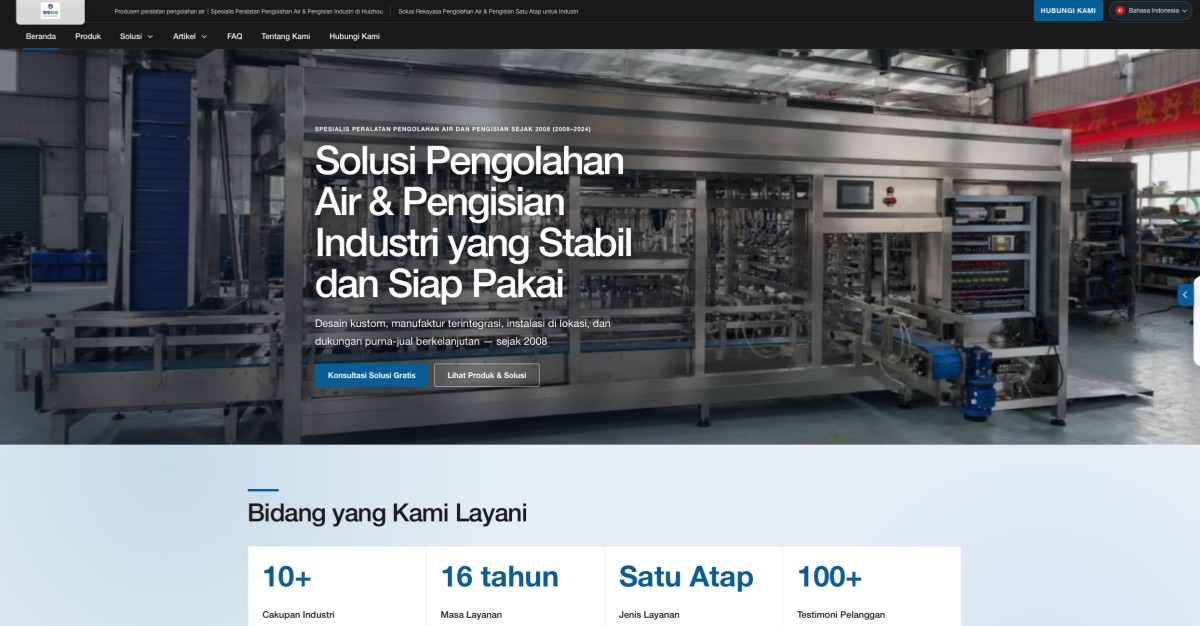
Water Treatment & Filling Equipment Manufacturer | Indonesian AI Digital Asset Website Case Study
An AI-powered digital asset website built for the Indonesian market, tailored for a wate...
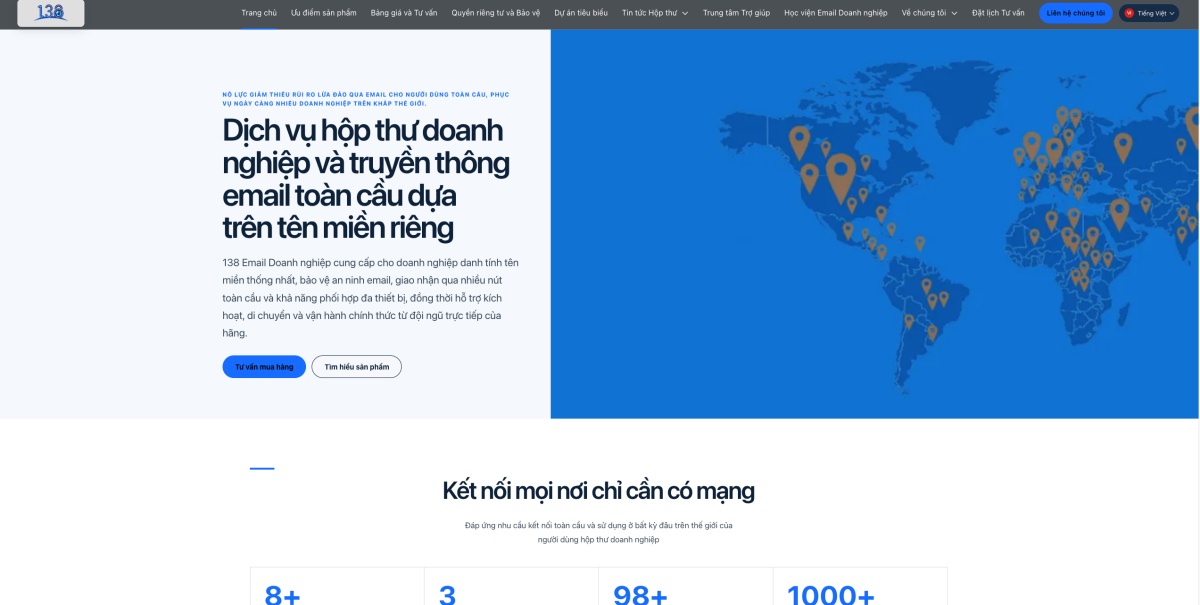
138 Enterprise Email | Vietnamese AI Digital Asset Website Case Study
An AI-driven digital asset website for enterprise email tailored to Vietnamese enterpris...