Manufacturing Multilingual Content: Why Direct Translation Fails and What to Do Instead
The Common Failure: Translated Content That Doesn’t Convert
Many manufacturing enterprises invest in multilingual websites, only to find that their translated content generates little traffic, few inquiries, and no trust from overseas buyers. The root cause is rarely the translation quality itself. It’s the assumption that multilingual content is a translation task, not a content architecture task.
When product specifications, application scenarios, and technical terms are translated word-for-word without adapting to local search behavior, industry terminology, or buyer decision patterns, the result is content that is technically accurate but commercially invisible. Search engines and AI systems cannot match it to real buyer queries. Buyers cannot find the answers they need to move forward.
This failure is especially common in manufacturing, where content involves complex product parameters, industry-specific applications, and compliance-related concerns. A direct translation of a Chinese product page into English, Spanish, or Indonesian will rarely align with how a procurement engineer in those markets actually searches.
Why This Happens: Three Structural Gaps
1. Content Is Not Built on a Verified Knowledge Base
Most multilingual websites are built by translating existing website pages. But if the source content is incomplete, outdated, or not structured for reuse, the translated versions inherit the same problems. Without a centralized enterprise knowledge base that stores verified product data, application scenarios, FAQs, and case references, each language version becomes a separate, inconsistent effort.
2. SEO and GEO Are Treated as Afterthoughts
Search engine optimization (SEO) and generative engine optimization (GEO) require content to be structured around real search queries, not internal product codes. When multilingual content is produced without keyword research, semantic mapping, or AI citation logic, it fails to appear in both traditional search results and AI-generated answers. This is a critical gap for manufacturing enterprises targeting overseas markets, where buyers increasingly rely on AI tools to shortlist suppliers.
3. Multilingual Is Confused with Multi-site
Some enterprises operate multiple language versions of the same site. Others run separate regional sites. Without a clear strategy for content reuse, URL structure, and hreflang implementation, these sites duplicate effort, dilute authority, and create inconsistent brand messaging. Group and multi-brand enterprises face even greater complexity when managing content across business units and regions.
What Manufacturing Enterprises Should Do Instead
Step 1: Build a Centralized Enterprise Knowledge Base
Before translating anything, organize your core content into a structured knowledge base. This includes:
- Product specifications, models, and technical parameters
- Application scenarios and industry use cases
- Manufacturing capabilities and quality certifications
- FAQs addressing procurement, delivery, compatibility, and after-sales concerns
- Verified case studies and delivery records
This knowledge base becomes the single source of truth for all language versions. It ensures consistency, reduces duplication, and makes content reusable across websites, brochures, sales decks, and AI systems.
Step 2: Adapt Content for Each Target Market
Translation is only the final step. Before that, content must be adapted to match:
- Local search behavior and terminology
- Regional compliance and certification requirements
- Buyer decision patterns and procurement processes
- Industry-specific application scenarios
For example, a water treatment equipment manufacturer targeting the Indonesian market must not only translate product pages but also adapt content to reflect local water quality standards, common application scenarios (e.g., bottled water production, industrial wastewater treatment), and regional procurement preferences. This is how multilingual content becomes commercially effective.
Step 3: Integrate SEO and GEO from the Start
Multilingual content must be optimized for both traditional search engines and AI systems. This means:
- Conducting keyword research in each target language
- Structuring content with clear headings, FAQs, and schema markup
- Ensuring content is citable by AI systems through clear, factual, and well-organized information
- Avoiding vague claims, unverified certifications, or exaggerated performance statements
SEO and GEO are not one-time tasks. They require continuous optimization based on search performance, AI citation patterns, and evolving buyer queries.
Step 4: Choose the Right Multilingual Architecture
Manufacturing enterprises must decide whether to operate:
- A single multilingual site with language switchers
- Separate regional sites with localized content
- A hybrid model with a global hub and regional sub-sites
Each approach has trade-offs in terms of content management, SEO authority, and operational complexity. Group and multi-brand enterprises may need a unified knowledge base with separate front-end sites for each brand or business unit.
Boundaries and Risks to Understand
- No guaranteed rankings or AI citations:*
- SEO and GEO are long-term efforts. No provider can guarantee fixed rankings or AI recommendations. Claims to the contrary should be treated with caution.
- Content quality determines trust:*
- AI systems and search engines prioritize content that is factual, verifiable, and well-structured. Poorly adapted or duplicated content will not perform.
- Multilingual requires ongoing operation:*
- A multilingual website is not a one-time project. It requires continuous content updates, performance monitoring, and optimization.
Next Steps for Manufacturing Enterprises
- Audit your current content: Identify gaps in product information, application scenarios, and FAQs.
- Build or upgrade your enterprise knowledge base: Centralize verified content for reuse across languages and channels.
- Develop a multilingual content strategy: Define target markets, prioritize languages, and plan content adaptation.
- Integrate SEO and GEO: Optimize content for both search engines and AI systems from the start.
- Choose the right technical architecture: Decide on site structure, URL strategy, and content management workflows.
Huizhou Gaia Network Technology Co., Ltd. provides an Enterprise AI Digital Asset Growth System that helps manufacturing enterprises build multilingual websites backed by structured knowledge bases, AI-powered content production, and integrated SEO/GEO optimization. Our approach ensures that your multilingual content is not just translated, but strategically adapted for global search and AI visibility.
[Request a Free Diagnostic] to evaluate your current multilingual content and identify opportunities for improvement.
Recommended
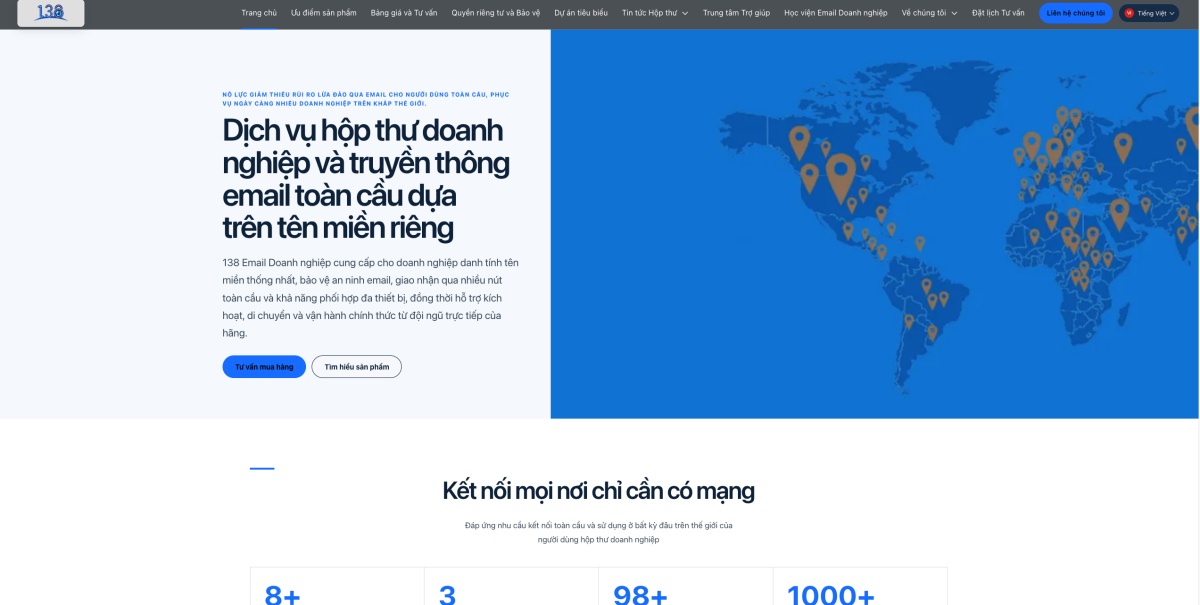
138 Enterprise Email | Vietnamese AI Digital Asset Website Case Study
An AI-driven digital asset website for enterprise email tailored to Vietnamese enterpris...
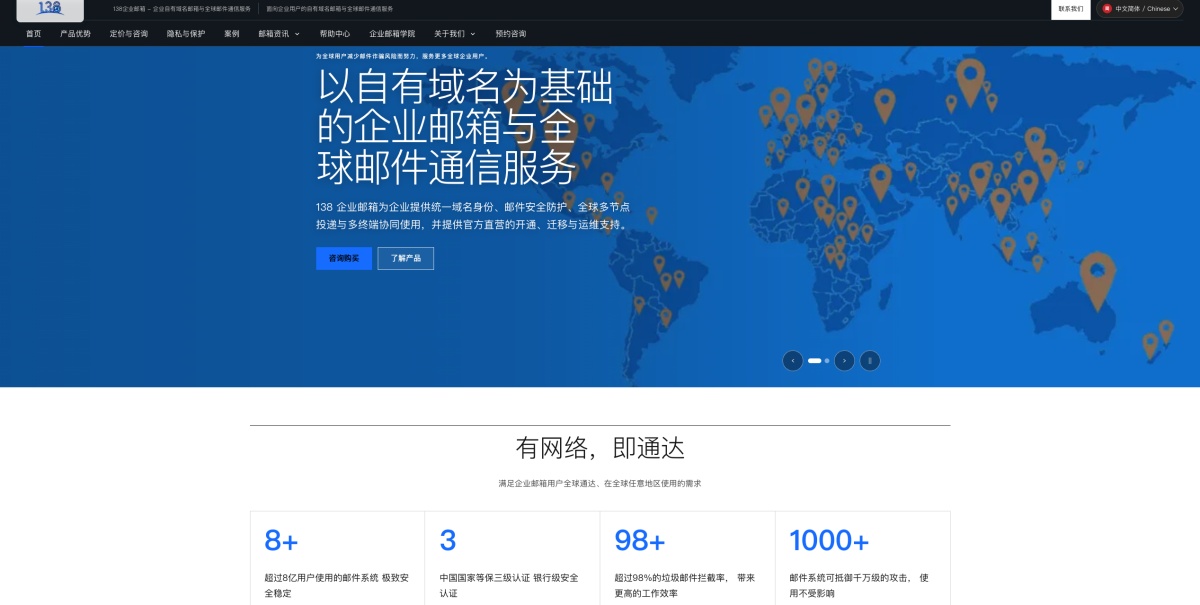
138 Enterprise Email | Chinese AI Digital Asset Website Case Study for Enterprise Services
Developed a Chinese AI digital asset website for an enterprise email service brand. By i...
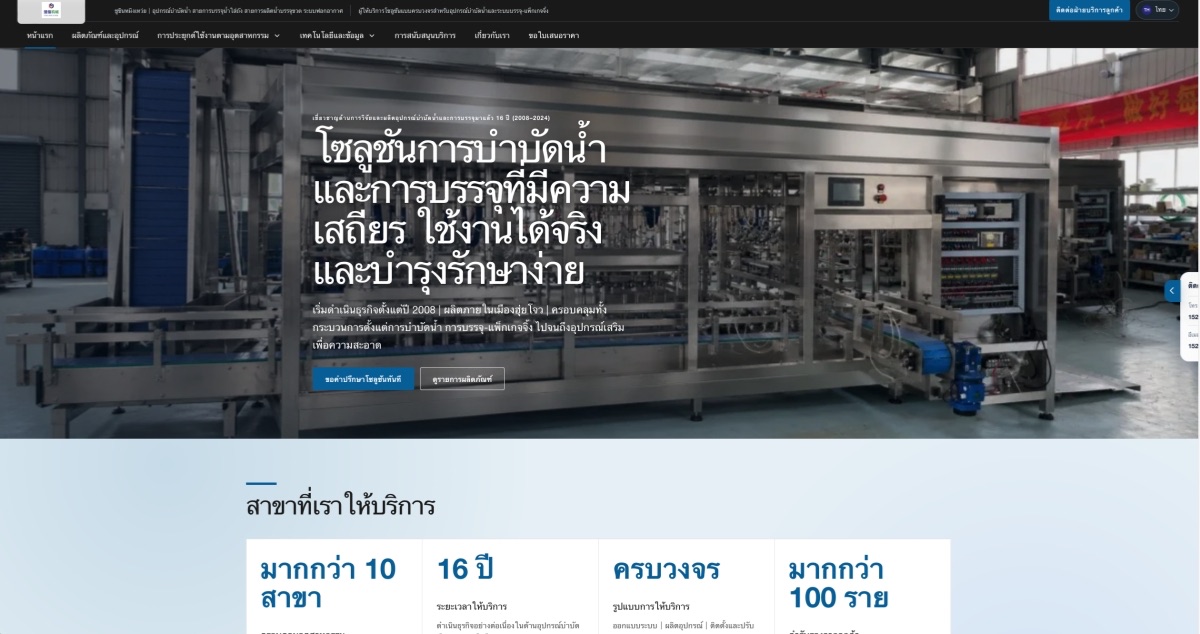
Water Treatment & Filling Equipment Manufacturer | Thai AI Digital Asset Website Case Study
Development of a Thai AI digital asset website for water treatment and filling equipment...