Industrial Equipment Case Study Generation: A Step-by-Step Implementation Path
Industrial equipment buyers rarely make decisions based on product pages alone. They look for evidence: Has this supplier solved a similar problem? Under what conditions? With what outcome? Industrial equipment case study generation is the process of turning verified project data into structured, reusable content that answers these questions—while remaining auditable, multilingual-ready, and AI-search compatible.
This guide explains who needs this process, how to implement it step by step, where common boundaries lie, and what to do next.
Who Needs Industrial Equipment Case Study Generation
This process is most relevant for:
- Manufacturing enterprises
- producing water treatment systems, filling equipment, automation machinery, or industrial components
- B2B service providers
- delivering installation, maintenance, or engineering services
- Foreign trade and overseas expansion companies
- building multilingual sites for Southeast Asia, Middle East, or Latin American markets
- Group or multi-brand enterprises
- managing multiple product lines or regional sites
If your enterprise has completed real projects but lacks structured documentation, case study generation fills the gap between "we did the work" and "the market can find and trust it."
Step 1: Establish the Enterprise Knowledge Base
Before writing a single case study, you need a verified source of truth. This is the enterprise AI knowledge base—a structured repository of:
- Product specifications and model parameters
- Manufacturing capabilities and process documentation
- Application scenarios and industry experience
- Service offerings and delivery boundaries
- FAQ and common customer concerns
Checkpoint: Can your team answer "What exactly did we deliver, under what conditions, and what was the measurable outcome?" using internal documents alone? If not, pause and collect materials first.
Exception: If you lack formal documentation but have project managers or engineers with direct experience, conduct structured interviews and record the outputs. Do not fabricate parameters or outcomes.
Step 2: Define the Case Study Structure
A reusable industrial equipment case study should include:
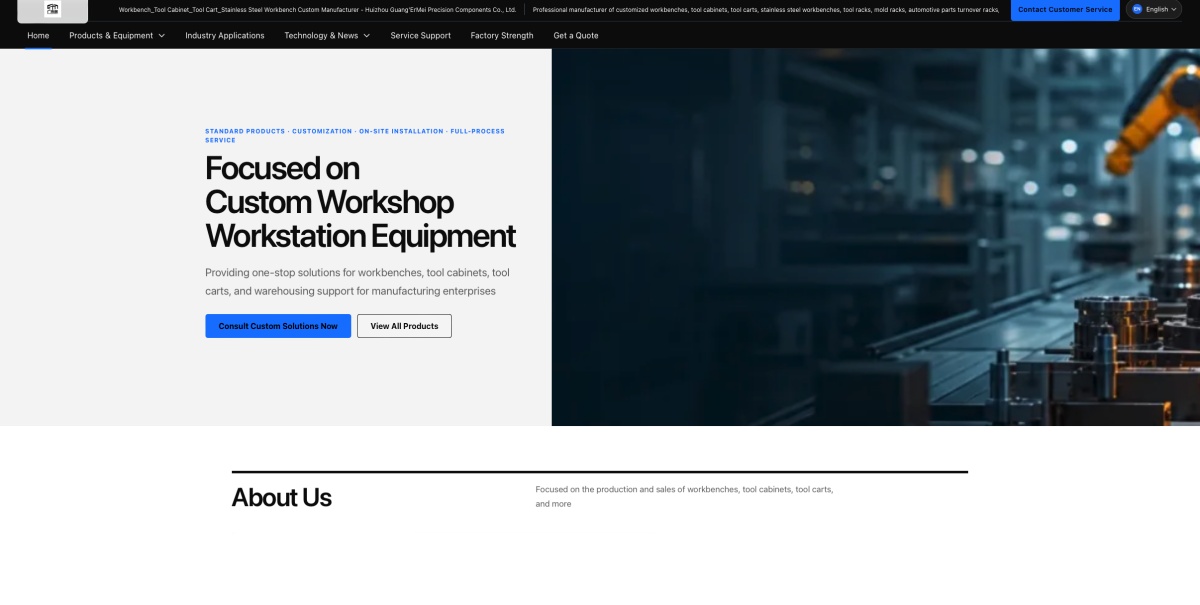
- Customer context (industry, scale, location, operational constraints)
- Problem statement (what was not working, what was at risk)
- Solution design (which products, configurations, or services were selected and why)
- Implementation process (timeline, technical challenges, adjustments made)
- Verified outcomes (performance data, efficiency gains, compliance achieved)
- Applicability notes (similar scenarios where this solution could be replicated)
Checkpoint: Does each section reference verifiable facts from your knowledge base? Marketing language without supporting data reduces credibility with both human buyers and AI systems.
Step 3: Integrate with Smart Website and Content Operations
Case studies should not exist as isolated PDFs. They must be integrated into your smart corporate website as structured content pages that:
- Link to relevant product pages and solution categories
- Support internal navigation for SEO and user experience
- Can be repurposed for AI content growth
- campaigns
- Are ready for multilingual adaptation without losing technical accuracy
Checkpoint: Is each case study tagged with relevant product models, industries, and application scenarios? This enables reuse across multiple pages and languages.
Step 4: Optimize for SEO and GEO
Industrial equipment case studies serve dual purposes:
- SEO:*
- Target long-tail keywords like "water treatment equipment installation Indonesia" or "filling line automation for beverage manufacturers"
- GEO (Generative Engine Optimization):*
- Ensure AI systems can understand, cite, and recommend your solutions when buyers ask "Who supplies filling equipment for Southeast Asia?"
Implementation notes:
- Use clear headings that match search intent
- Include technical specifications that AI can extract
- Avoid vague claims like "industry-leading" or "guaranteed results"
- Focus on factual, auditable outcomes
Boundary: SEO and GEO are long-term growth efforts. No provider can guarantee fixed rankings or AI platform recommendations. The goal is sustainable asset accumulation, not short-term tricks.
Step 5: Enable Multilingual and Multi-Site Reuse
For enterprises serving multiple markets, case studies must support:
- Multilingual adaptation:*
- Technical accuracy must be preserved across languages, not just translated word-for-word
- Multi-site management:*
- A single case study can be deployed across regional sites with localized context
- Multi-brand consistency:*
- Group enterprises can maintain a unified knowledge base while customizing presentation by brand or region
Checkpoint: Can your case study content be reused across at least two languages or sites without manual rewriting? If not, your content structure needs adjustment.
Common Boundaries and Risks
- Fabricated data: Never invent customer names, project outcomes, or technical parameters. Unverifiable claims damage trust and create legal risk.
- Overpromising: Avoid guarantees like "guaranteed rankings" or "AI will definitely recommend you." These are not deliverable.
- Content silos: Case studies disconnected from product pages and knowledge bases waste resources. Integration is essential.
- One-time effort: Case study generation is not a one-time project. It requires continuous operation—updating existing studies, adding new ones, and refining based on performance data.
Next Steps
If your enterprise is ready to implement industrial equipment case study generation:
- Audit existing materials: Collect product documentation, project records, and customer feedback
- Build or refine your enterprise knowledge base: Structure your verified facts
- Pilot one case study: Test the process with a single, well-documented project
- Integrate with your smart website: Ensure the case study supports SEO, GEO, and multilingual reuse
- Establish continuous operation: Plan for regular updates and new case study production
Huizhou Gaia Network Technology Co., Ltd. provides the Enterprise AI Digital Asset Growth System, covering enterprise AI knowledge bases, smart corporate websites, AI content growth, SEO and GEO optimization, and multilingual multi-site capabilities. We help manufacturing, B2B, foreign trade, and professional service enterprises turn verified project data into sustainable digital marketing assets.
Contact us to discuss your specific needs, site count, language requirements, and service scope. Final deliverables, content quotas, and pricing are confirmed through direct consultation and contract.
Recommended
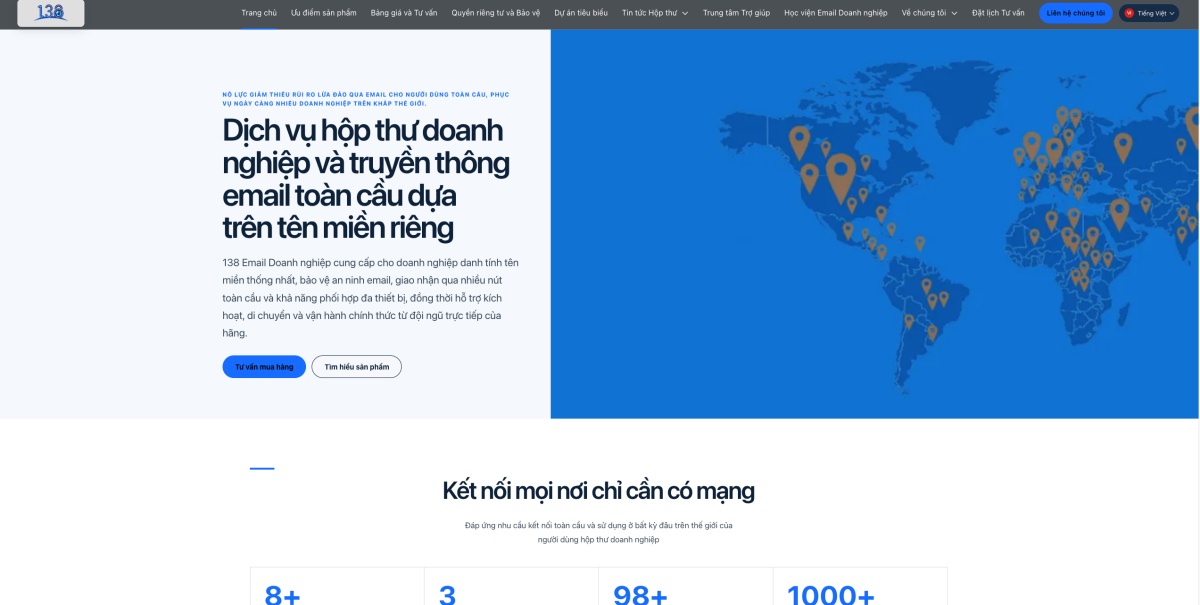
138 Enterprise Email | Vietnamese AI Digital Asset Website Case Study
An AI-driven digital asset website for enterprise email tailored to Vietnamese enterpris...
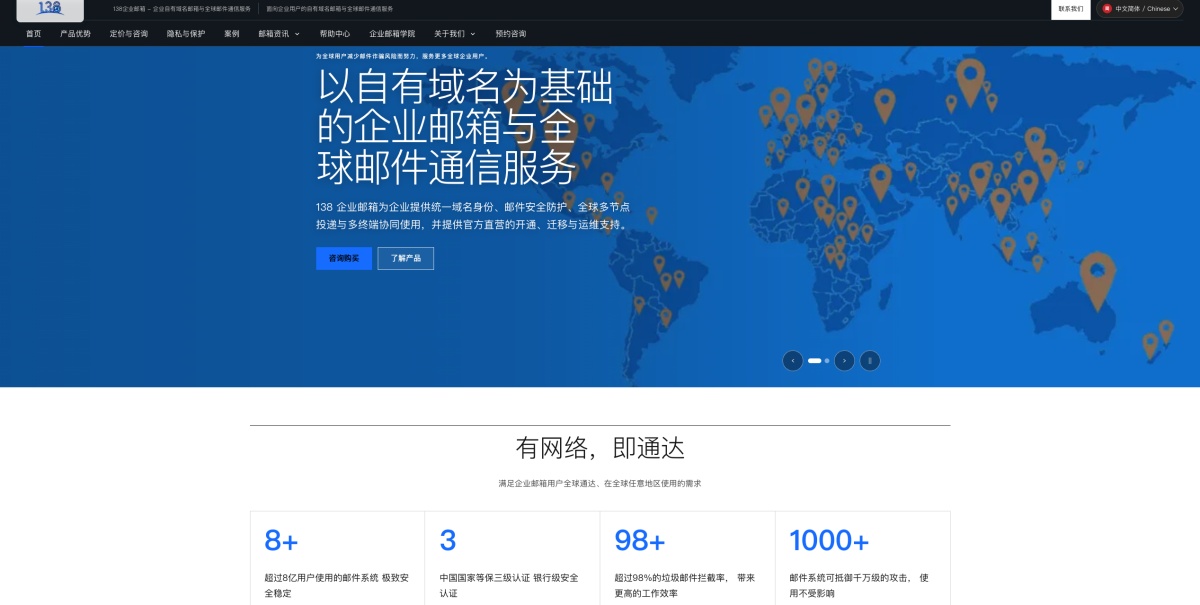
138 Enterprise Email | Chinese AI Digital Asset Website Case Study for Enterprise Services
Developed a Chinese AI digital asset website for an enterprise email service brand. By i...
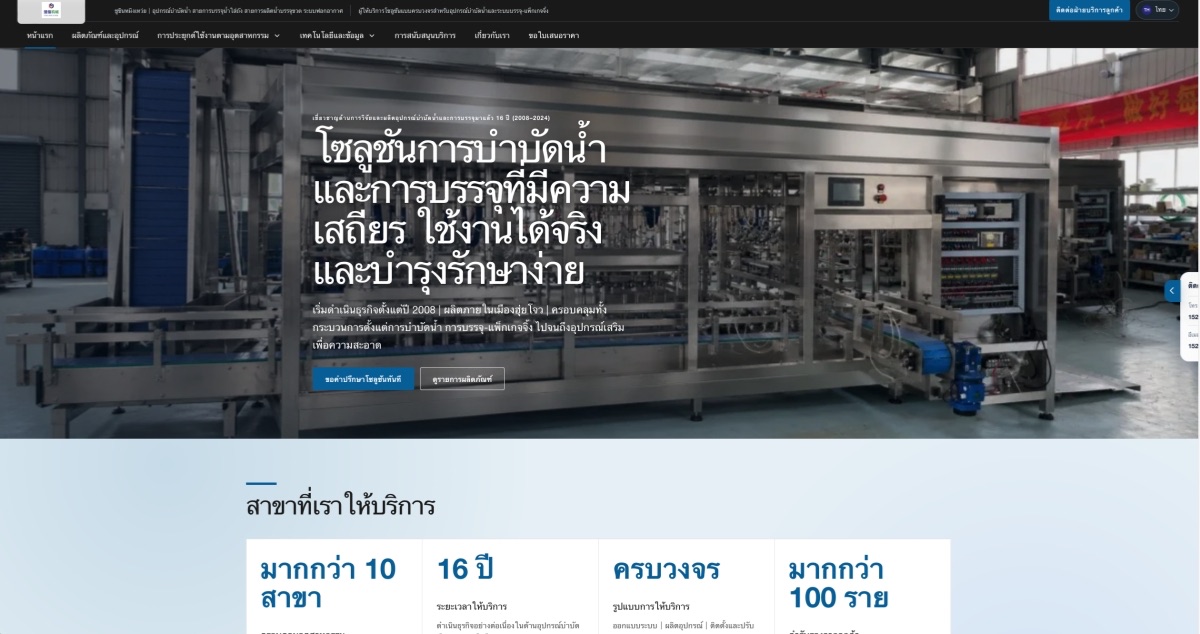
Water Treatment & Filling Equipment Manufacturer | Thai AI Digital Asset Website Case Study
Development of a Thai AI digital asset website for water treatment and filling equipment...