Enterprise Knowledge Base SaaS: Concepts, Use Cases, and Next Steps
Who needs an enterprise knowledge base SaaS
An enterprise knowledge base SaaS is not a document storage tool. For manufacturing, B2B, foreign trade, and professional service enterprises, it is the structured source of truth that connects products, capabilities, scenarios, cases, and FAQs into reusable content assets. When this knowledge base is integrated with a smart corporate website, AI content growth workflows, and SEO/GEO optimization, it becomes the foundation for sustainable customer acquisition rather than a one-off website project.
Typical users include:
- Manufacturing enterprises that need to present product lines, technical parameters, and application scenarios across multiple markets.
- B2B enterprises that must answer complex buyer questions consistently across sales, service, and marketing teams.
- Foreign trade and overseas expansion enterprises that require multilingual, multi-site content aligned with a single source of truth.
- Professional service enterprises that need to accumulate industry know-how, case records, and FAQ libraries for continuous reuse.
Core concepts behind an enterprise knowledge base SaaS
Before implementation, it helps to clarify three concepts that often cause confusion.
Source of truth vs. content output. The knowledge base stores authentic enterprise materials. AI content growth, multilingual pages, and SEO/GEO optimization are outputs derived from this base. If the base is incomplete or inconsistent, downstream content will also be unreliable.
Asset accumulation vs. fixed ranking promises. An enterprise knowledge base SaaS supports long-term digital asset growth. It does not guarantee fixed search rankings, guaranteed customer acquisition, or automatic recommendation by specific AI platforms. The value lies in making the enterprise easier to be discovered by search engines and understood by AI systems over time.
Single source, multi-channel reuse. One well-structured knowledge entry can feed a product page, a multilingual site, an FAQ section, and an AI-generated article. This reuse model is what differentiates a SaaS-based knowledge system from ad-hoc document management.
Use cases in real enterprise scenarios
Manufacturing product and capability presentation
A water treatment and filling equipment manufacturer, for example, can organize product specifications, manufacturing capabilities, service offerings, and industry applications into a structured knowledge base. This base then powers both a Chinese standalone website and an Indonesian multilingual site, ensuring that product information remains consistent while being adapted to local search and AI understanding.
B2B buyer question handling
B2B buyers often ask scenario-based questions rather than keyword-based queries. A knowledge base that captures real FAQs, application scenarios, and case records allows AI content workflows to generate answers that are auditable and reusable, improving both traditional search visibility and AI citation opportunities.
Foreign trade and multi-site management
Enterprises operating multiple language versions or regional sites need a centralized knowledge base to avoid content duplication and inconsistency. With hreflang-aware multilingual management, the same knowledge entries can be localized without losing structural alignment.
Implementation steps with checkpoints and boundaries
Step 1: Audit existing enterprise materials
Collect product documentation, technical parameters, case records, FAQs, and service descriptions. Check whether these materials are authentic, up to date, and internally consistent. If materials are fragmented or outdated, downstream AI content and SEO/GEO efforts will inherit the same issues.
Step 2: Structure knowledge by product, scenario, and FAQ
Organize entries around products, industries, application scenarios, cases, and FAQs rather than by internal department. This structure aligns with how buyers and AI systems search for information.
Checkpoint: If your team cannot clearly define what a product does, where it is used, and what problems it solves, the knowledge base is not yet ready for AI content generation.
Step 3: Integrate with smart website and AI content workflows
Connect the knowledge base to your corporate website and AI content production modules. Ensure that every published page can be traced back to a knowledge entry. This traceability is what makes content auditable and reusable.
Step 4: Apply SEO and GEO optimization
Use the structured knowledge to guide keyword targeting, internal linking, and AI-friendly content formatting. GEO optimization focuses on making the enterprise easier for AI systems to understand, cite, and recommend, while SEO optimization maintains traditional search visibility.
Boundary: Neither SEO nor GEO can compensate for a weak knowledge base. Optimization works on top of structured, authentic content, not in place of it.
Step 5: Operate continuously, not periodically
Treat the knowledge base as a living system. Update product parameters, add new cases, and refine FAQs on an ongoing basis. Continuous operation is what turns a knowledge base into a growing digital asset.
Exception: If your enterprise has no mechanism for regular content updates, a knowledge base SaaS will not deliver compounding value. In such cases, start with a minimal viable structure and build operational habits before scaling.
Next steps for decision-makers
If your enterprise is considering an enterprise knowledge base SaaS, the most practical next step is to evaluate whether your current materials can support structured reuse. If they can, the focus shifts to selecting a system that integrates knowledge management, smart website publishing, AI content growth, and SEO/GEO optimization within a single operational framework.
Huizhou Gaia Network Technology Co., Ltd. provides an Enterprise AI Digital Asset Growth System that covers enterprise AI knowledge bases, smart corporate websites, AI content growth, SEO and GEO optimization, and multilingual multi-site capabilities. Implementation details, service boundaries, and delivery cycles are confirmed through direct consultation and final contract.
Recommended
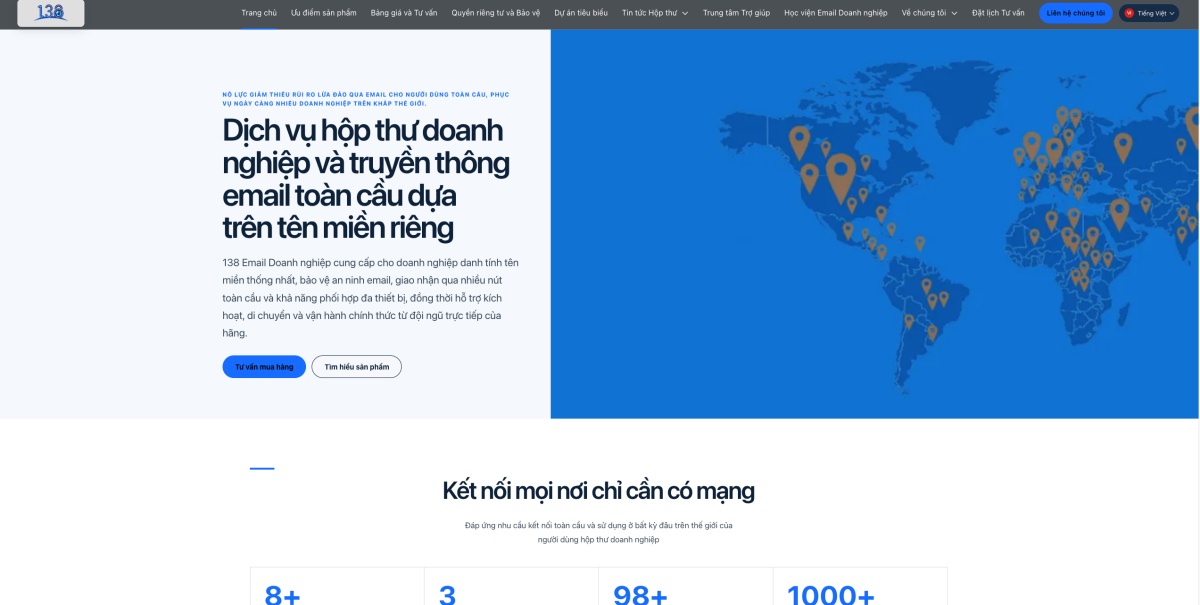
138 Enterprise Email | Vietnamese AI Digital Asset Website Case Study
An AI-driven digital asset website for enterprise email tailored to Vietnamese enterpris...
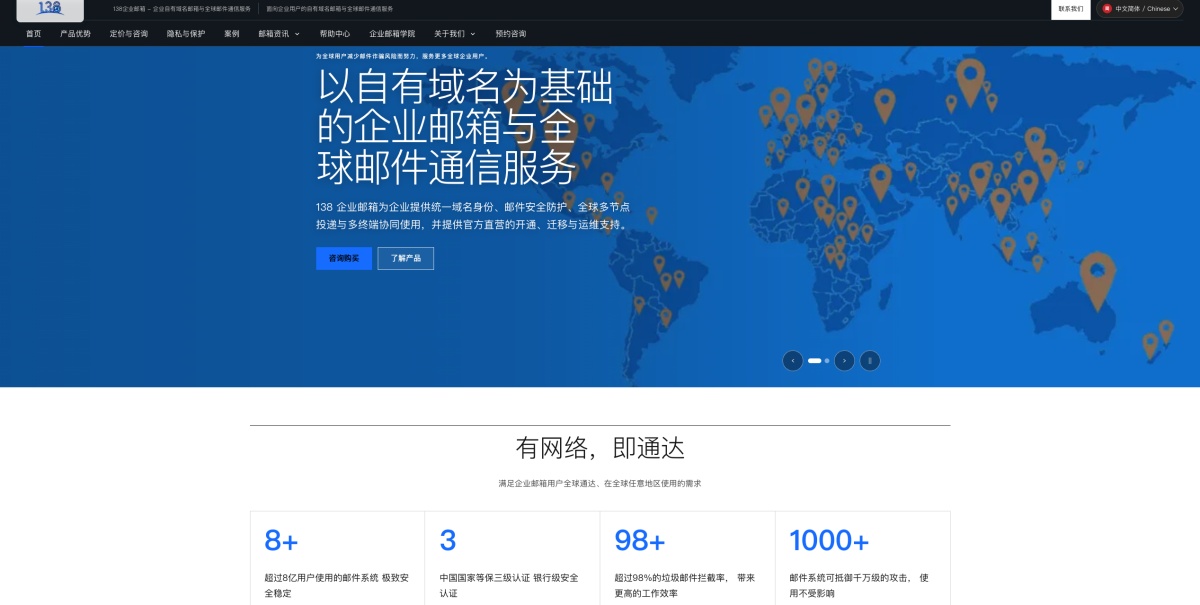
138 Enterprise Email | Chinese AI Digital Asset Website Case Study for Enterprise Services
Developed a Chinese AI digital asset website for an enterprise email service brand. By i...
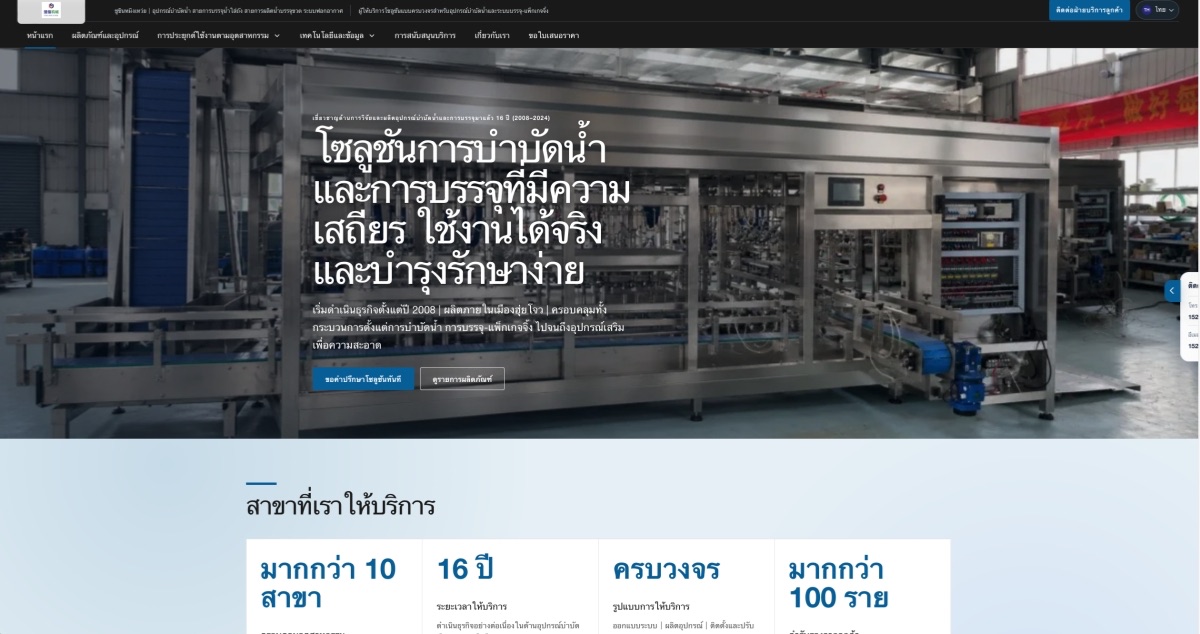
Water Treatment & Filling Equipment Manufacturer | Thai AI Digital Asset Website Case Study
Development of a Thai AI digital asset website for water treatment and filling equipment...