Automated Website Operations: Building Verifiable Digital Assets for Manufacturing, B2B, and Foreign Trade Enterprises
Automated website operations refer to a structured approach where enterprise websites continuously generate, organize, and optimize content using authentic internal materials, rather than relying on one-off design projects or manual updates. For manufacturing, B2B, and foreign trade companies, the core question is not whether automation is possible, but whether it can be built on verifiable enterprise knowledge and sustained over time.
Who Automated Website Operations Is For
This approach is most useful for enterprises that:
- Have extensive product lines, technical documentation, or industry know-how scattered across sales teams, internal files, and employee devices.
- Need to maintain a multilingual or multi-site presence for overseas expansion or regional markets.
- Want to reduce dependence on paid advertising or third-party platforms by building owned digital assets.
- Require content that can be audited, reused, and understood by both traditional search engines and AI-driven answer systems.
If your organization fits one or more of these profiles, automated operations become a practical way to turn internal knowledge into a continuously growing website asset.
How Automated Website Operations Work in Practice
In a real implementation, this approach typically follows a structured pattern:
- Enterprise knowledge base setup – Authentic materials such as product specifications, manufacturing capabilities, FAQs, and case references are structured into a centralized knowledge base.
- AI-assisted content production – Content is generated or expanded from the knowledge base, ensuring that every published page can be traced back to verifiable enterprise data.
- SEO and GEO optimization – Pages are optimized not only for traditional search visibility but also for AI search understanding, citation, and recommendation opportunities.
- Multilingual and multi-site management – Content is adapted and reused across languages and regional sites without duplicating effort or losing consistency.
- Continuous operation loop – The system supports ongoing updates, performance tracking, and content refinement, forming a long-term digital asset growth cycle.
This approach differs from simple content automation tools because it treats the website as a living asset tied to enterprise knowledge, not just a publishing channel.
Typical Use Cases
- Manufacturing enterprises
- organizing product catalogs, technical parameters, and application scenarios into searchable, AI-friendly pages.
- B2B companies
- converting internal sales materials and FAQs into structured website content that supports both human visitors and AI queries.
- Foreign trade and overseas expansion businesses
- maintaining consistent messaging across multilingual sites while adapting to regional search and AI behaviors.
- Professional service firms
- building authority content around industry scenarios, case references, and service explanations.
Boundaries and What Automated Operations Cannot Guarantee
It is important to understand the limits of this approach:
- No fixed ranking promises
- – SEO and GEO are long-term efforts. Automated systems can improve structure, relevance, and visibility, but they cannot guarantee specific search positions or AI platform recommendations.
- No instant customer acquisition
- – The system supports continuous asset accumulation, not short-term traffic spikes.
- Dependence on authentic materials
- – Automation works best when enterprises provide real, verifiable content. Without a solid knowledge base, automated output risks becoming generic or unreliable.
- Implementation boundaries
- – Specific content quotas, language coverage, service scope, and delivery timelines depend on the agreed contract and operational plan.
Conditions for Successful Implementation
Before adopting automated website operations, enterprises should confirm:
- Availability of authentic product, technical, and service materials.
- Willingness to treat the website as a long-term digital asset rather than a one-time project.
- Alignment between internal teams and external service providers on content audit, reuse, and update processes.
- Clear understanding that SEO and GEO optimization require continuous effort, not fixed outcomes.
Next Steps for Decision-Makers
If this approach aligns with your enterprise goals, the recommended next steps are:
- Conduct an internal audit of existing materials and identify gaps in product, technical, and service documentation.
- Evaluate whether your current website structure supports knowledge-based content growth and multilingual expansion.
- Request a diagnostic review of your website's visibility to both search engines and AI systems.
- Discuss an implementation plan that covers knowledge base setup, content production, SEO/GEO optimization, and ongoing operations.
Huizhou Gaia Network Technology Co., Ltd. provides the Enterprise AI Digital Asset Growth System, which integrates enterprise AI knowledge bases, smart corporate websites, AI content growth, SEO and GEO optimization, and multilingual multi-site capabilities. The system is designed for manufacturing, B2B, foreign trade, and professional service enterprises seeking sustainable digital asset accumulation.
For enterprises ready to move from scattered materials to a structured, automated website operation model, the first step is a diagnostic review of current digital assets and growth potential.
Recommended
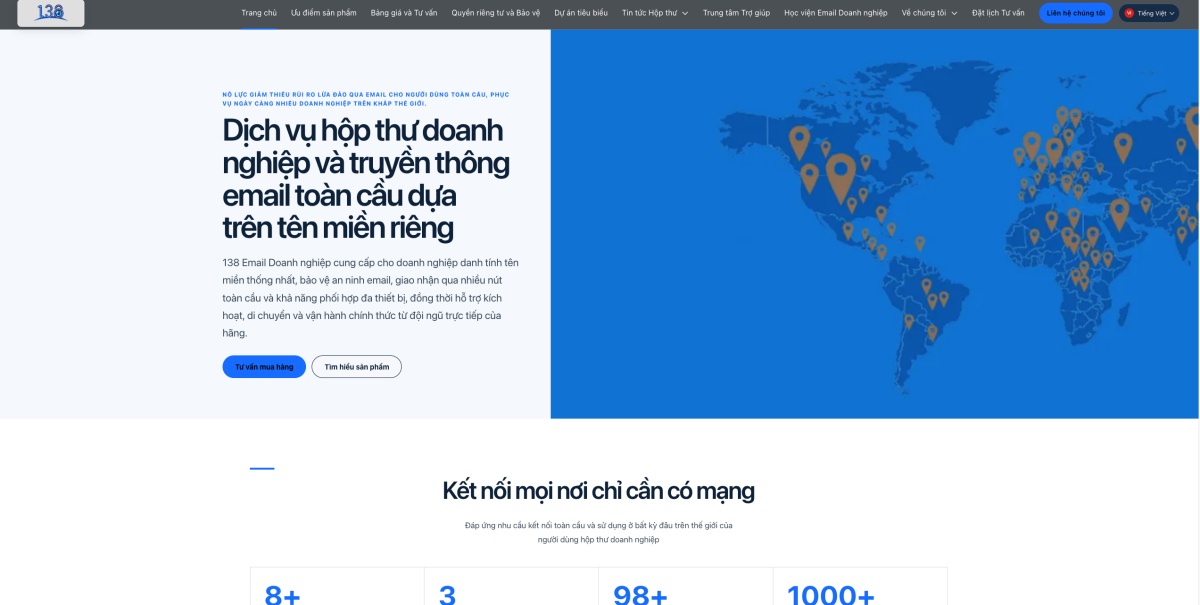
138 Enterprise Email | Vietnamese AI Digital Asset Website Case Study
An AI-driven digital asset website for enterprise email tailored to Vietnamese enterpris...
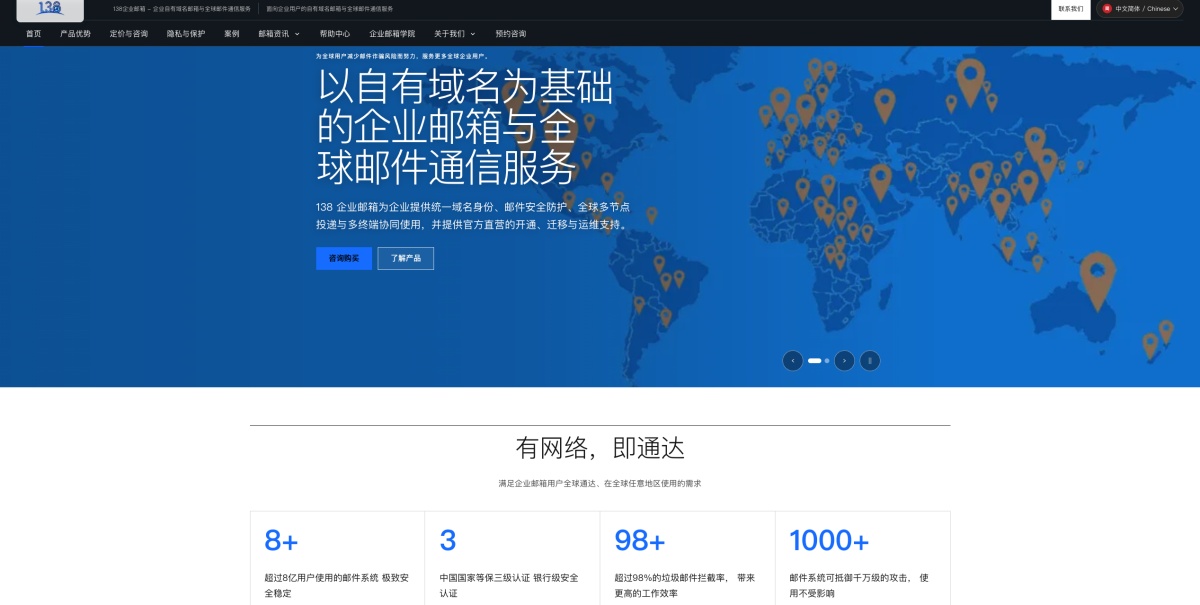
138 Enterprise Email | Chinese AI Digital Asset Website Case Study for Enterprise Services
Developed a Chinese AI digital asset website for an enterprise email service brand. By i...
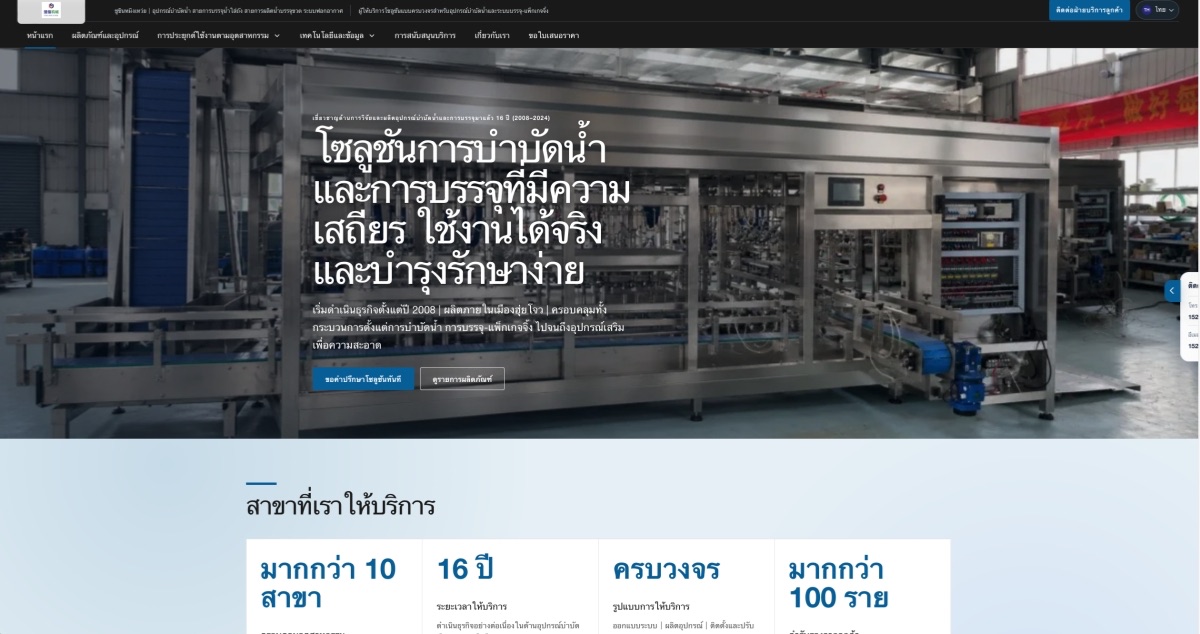
Water Treatment & Filling Equipment Manufacturer | Thai AI Digital Asset Website Case Study
Development of a Thai AI digital asset website for water treatment and filling equipment...