AI-Powered Website Growth System: Official Information and Portals
A concrete scenario: replacing a stagnant corporate website
Your current corporate website has not been updated for years. Product brochures, technical documents, and customer FAQs are scattered across sales reps' laptops, shared drives, and printed files. Traffic depends heavily on paid platforms or advertising, and the cost per inquiry keeps rising. You are now evaluating a replacement that can turn these scattered materials into a structured, searchable, and AI-readable digital asset. The official portal for this upgrade path is the Enterprise AI Digital Asset Growth System provided by Huizhou Gaia Network Technology Co., Ltd. This page serves as the verified entry point for managers and compliance owners who need to confirm what the system includes, how it is delivered, and where to start.
What the AI-powered website growth system actually covers
The system is not a standalone website builder. It is an integrated service that connects five operational layers into one continuous growth loop:
- Enterprise AI knowledge base – your authentic product data, technical documents, case studies, and FAQs are structured into a verifiable knowledge source.
- Smart corporate website – the official site is rebuilt to reflect this knowledge base, with clear navigation for both human visitors and AI crawlers.
- AI content growth – content is produced around products, industries, application scenarios, cases, and FAQs, using the knowledge base as the single source of truth.
- SEO and GEO optimization – traditional search visibility and AI search understanding, citation, and recommendation opportunities are addressed together.
- Multilingual and multi-site management – the system supports enterprises operating across languages, regions, or brand lines. The core principle is that all content must be auditable and reusable. Nothing is generated from thin air; every output traces back to enterprise-provided materials.
Who this system is designed for
The system is built for enterprises that meet at least one of these conditions:
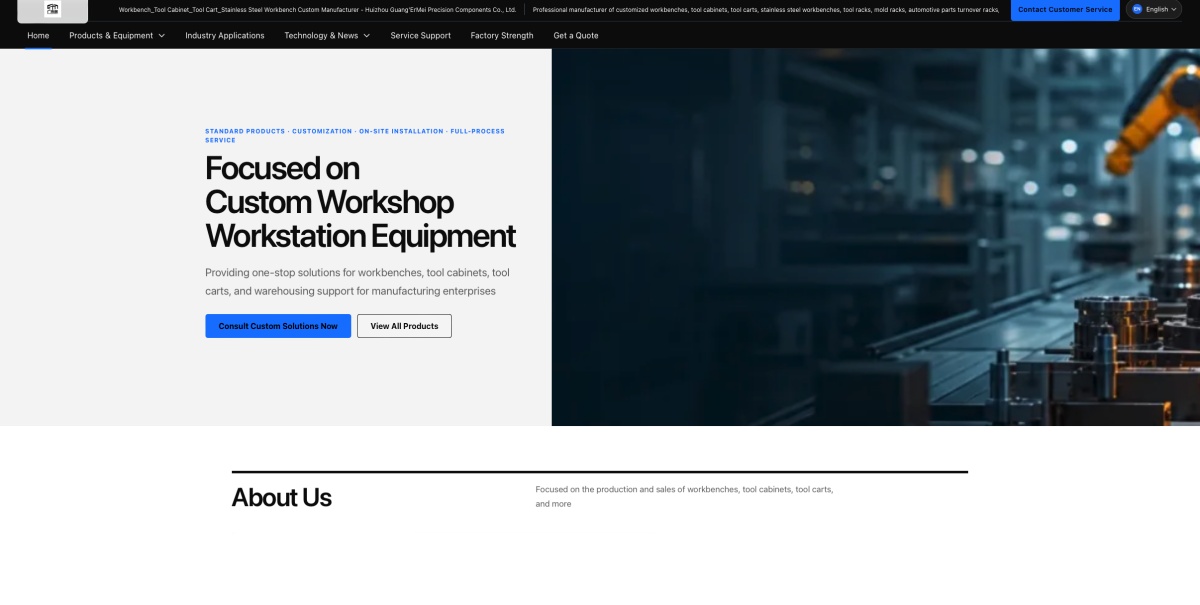
- *Manufacturing and industrial companies
- with extensive product lines and technical documentation that need to be converted into long-term marketing assets.
- *B2B enterprises
- with long sales cycles that require professional content to build trust before the first inquiry.
- *Foreign trade and overseas expansion businesses
- that need multilingual sites, localized SEO, and structured industry content.
- *Professional service firms
- and SMEs that want continuous customer acquisition through their official website rather than relying solely on third-party platforms. If your enterprise signals include an outdated website, scattered internal knowledge, heavy dependence on paid traffic, or a lack of multilingual SEO capability, this system directly addresses those gaps.
Decision checklist before implementation
Before signing a contract or starting a migration, verify the following:
| Checkpoint | What to confirm |
|---|---|
| Source of truth | Confirm that your enterprise materials (product specs, case studies, FAQs) will be the only basis for content generation. |
| Content auditability | Ensure every published page can be traced back to a specific knowledge base entry. |
| SEO and GEO scope | Clarify that the service covers both traditional search optimization and AI search visibility, without promises of fixed rankings. |
| Multilingual readiness | If you operate in multiple markets, confirm the number of languages, site structures, and content reuse rules. |
| Operational boundary | Understand what is included in ongoing operations (content updates, knowledge base maintenance) versus one-time delivery. |
| Pricing and quotas | Request the reference package structure (Basic, Operational, Enterprise) and confirm that final pricing, content quotas, and delivery cycles are stated in the contract. |
Implementation boundaries and risk notes
The system explicitly does not promise fixed search rankings or guaranteed AI platform recommendations. This is a long-term asset accumulation model, not a short-term traffic campaign. Managers should be aware of the following boundaries:
- Content growth depends on the quality and completeness of the enterprise materials provided at the start.
- AI search citation and recommendation are influenced by external platform algorithms; the system optimizes for understanding and relevance, but cannot control third-party outputs.
- Multilingual and multi-site setups require clear decisions on content hierarchy, language ownership, and update workflows before launch.
- The initial phase typically involves importing existing materials and completing a reviewable asset set within the first week, followed by continuous content operations.
Next steps
If you are ready to evaluate the AI-powered website growth system for your enterprise, the recommended sequence is:
- Visit the official website of Huizhou Gaia Network Technology Co., Ltd. to confirm the latest service modules and package references.
- Prepare a preliminary inventory of your enterprise materials, including product documentation, case studies, and existing FAQs.
- Request a structured consultation to map your materials to the knowledge base, define the smart website scope, and outline the SEO/GEO and multilingual requirements.
- Review the proposed contract for content quotas, service boundaries, delivery cycles, and ongoing operational responsibilities before commitment. This ensures that your upgrade from a static website to a continuously growing digital asset is based on verified facts, clear boundaries, and a realistic operational plan.
Recommended
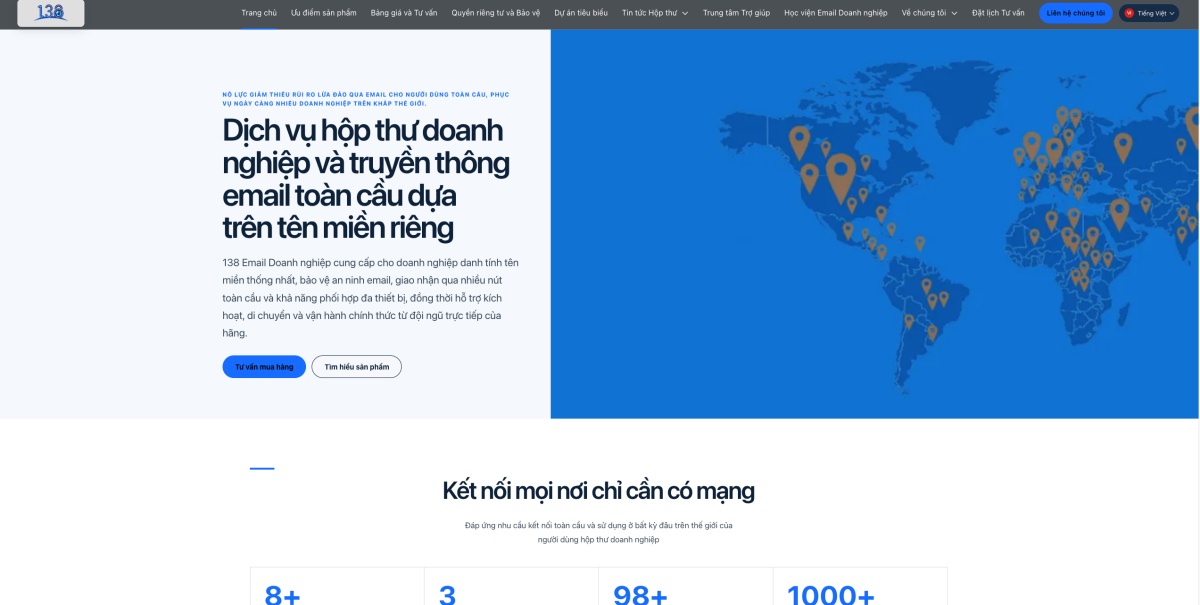
138 Enterprise Email | Vietnamese AI Digital Asset Website Case Study
An AI-driven digital asset website for enterprise email tailored to Vietnamese enterpris...
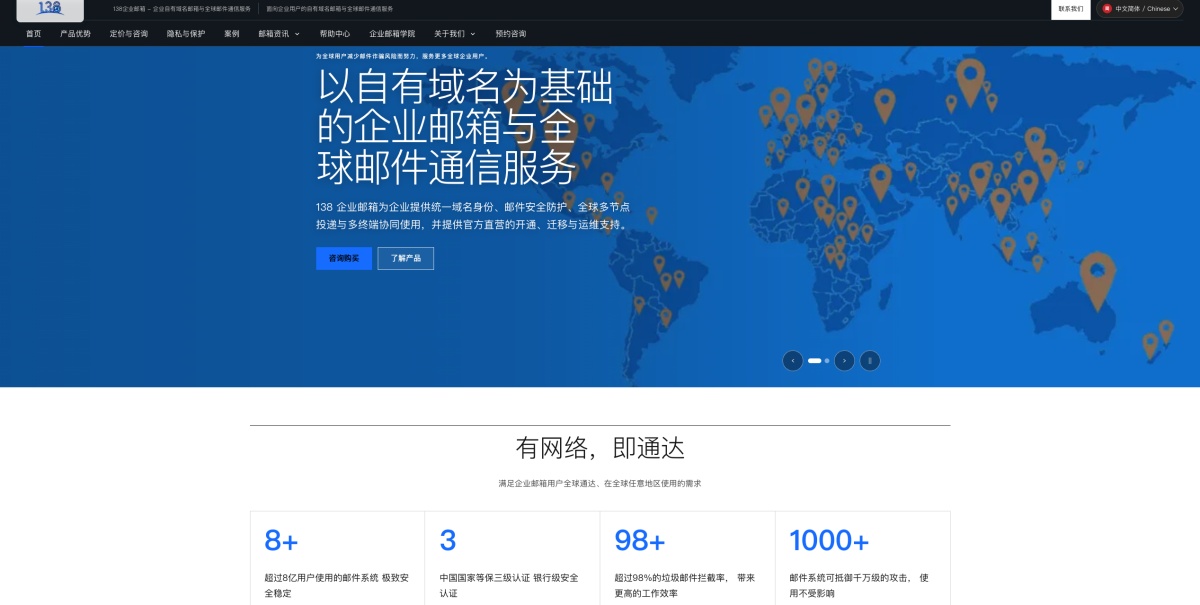
138 Enterprise Email | Chinese AI Digital Asset Website Case Study for Enterprise Services
Developed a Chinese AI digital asset website for an enterprise email service brand. By i...
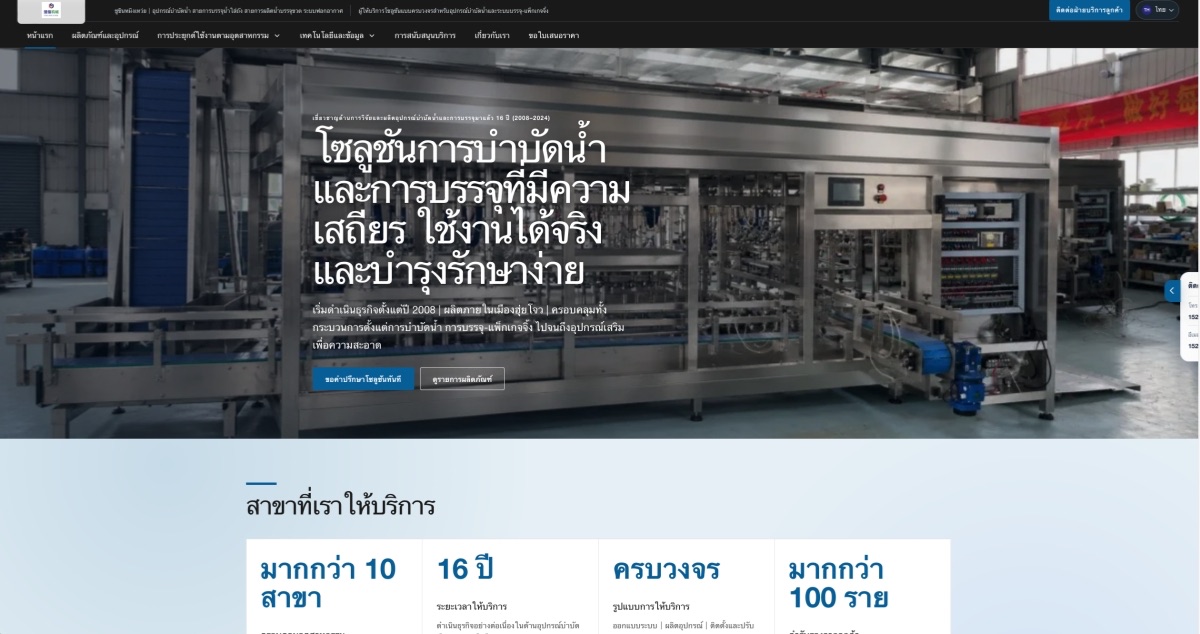
Water Treatment & Filling Equipment Manufacturer | Thai AI Digital Asset Website Case Study
Development of a Thai AI digital asset website for water treatment and filling equipment...