AI Content Generation for Auto Parts Companies: Concepts, Use Cases, and Next Steps
Who This Is For
Auto parts companies that already have product catalogs, technical documentation, and manufacturing or sourcing experience, but struggle to turn these materials into consistent, multilingual website content. Typical situations include:
- Manufacturing enterprises with many SKUs, specifications, and application scenarios, but limited in-house content capacity.
- B2B distributors or exporters who need to serve multiple markets with different languages and buying habits.
- Group or multi-brand businesses that must keep product messaging consistent across several websites.
If your team spends most of its time rewriting the same product descriptions, translating manuals manually, or answering the same technical questions repeatedly, AI content generation can help — but only if it is built on your real enterprise materials, not generic templates.
What AI Content Generation Actually Means for Auto Parts
In this context, AI content generation is a structured process that converts your authentic product data, technical parameters, application scenarios, and customer FAQs into website-ready content. It is not a tool that writes random blog posts. It is a system that:
- Organizes your product knowledge into a structured enterprise knowledge base.
- Generates product pages, selection guides, application notes, and FAQ content based on that knowledge base.
- Supports multilingual output so the same core content can be adapted for different markets.
- Integrates with SEO and GEO (Generative Engine Optimization) practices so your content is discoverable by both traditional search engines and AI-driven answer platforms.
The key principle is that all content must be auditable and traceable back to your real enterprise materials. AI improves efficiency, but your technical accuracy and industry expertise determine credibility.
Practical Use Cases in Auto Parts
1. Product Page Generation
Auto parts companies often have hundreds or thousands of SKUs. Each product needs a clear description, technical specifications, application scenarios, and compatibility information. AI content generation can:
- Extract data from product manuals, CAD files, or internal databases.
- Generate structured product pages with consistent formatting.
- Create variant pages for different models, materials, or specifications.
- Produce multilingual versions that maintain technical accuracy.
This approach ensures that every product page is complete, consistent, and ready for both human buyers and AI systems that need to understand your offerings.
2. Application Scenario Content
Buyers don't just search for part numbers. They search for solutions to specific problems: "How to reduce brake noise in heavy-duty trucks," "What materials work best for high-temperature engine seals," or "Which filters are suitable for dusty environments."
AI content generation can help you create:
- Application guides that explain how your products solve real-world problems.
- Technical articles that demonstrate your industry expertise.
- Comparison content that helps buyers choose between different options.
This type of content builds trust and positions your company as a knowledgeable partner, not just a supplier.
3. FAQ and Decision Support Content
B2B buyers have specific concerns before making a purchase: compatibility, delivery times, certification requirements, after-sales support, and pricing structures. AI content generation can:
- Identify common questions from sales teams, customer service logs, or industry forums.
- Generate clear, structured FAQ content that addresses these concerns.
- Create decision guides that help buyers evaluate your products against their requirements.
This reduces pre-sales friction and shortens the decision cycle.
4. Multilingual and Multi-Site Management
Auto parts companies serving global markets need content in multiple languages. AI content generation can:
- Translate and adapt core content for different regions while maintaining technical accuracy.
- Ensure consistency across multiple websites or brand portals.
- Reduce the cost and time of manual translation and localization.
The goal is not just translation, but localization: adapting content to match local buying habits, regulatory requirements, and industry terminology.
Implementation Steps
If you are considering AI content generation for your auto parts business, here is a practical implementation path:
Step 1: Audit Your Existing Materials
Before generating any content, you need a clear inventory of what you already have:
- Product catalogs, technical specifications, and manuals.
- Application notes, case studies, and customer feedback.
- Existing website content, blog posts, and marketing materials.
This audit helps you identify gaps, inconsistencies, and opportunities for content reuse.
Step 2: Build a Structured Knowledge Base
Your enterprise knowledge base is the foundation of AI content generation. It should include:
- Product information organized by category, model, and specification.
- Application scenarios mapped to specific industries or use cases.
- Technical parameters, certifications, and compliance information.
- Customer FAQs and common decision criteria.
The knowledge base must be based on authentic enterprise materials, not generic industry content.
Step 3: Define Content Types and Priorities
Not all content has the same value. Prioritize based on your business goals:
- Product pages for high-volume or high-margin SKUs.
- Application guides for key industries or customer segments.
- FAQ content for common pre-sales questions.
- Multilingual versions for priority export markets.
Start with a focused set of content types, then expand based on results.
Step 4: Integrate SEO and GEO Practices
AI-generated content must be optimized for both traditional search engines and AI-driven platforms:
- Use clear, structured formatting that search engines can parse.
- Include relevant keywords naturally, without keyword stuffing.
- Ensure content is citable and understandable by AI systems.
- Build internal links that connect related products, applications, and FAQs.
SEO and GEO are long-term efforts. There are no guarantees of fixed rankings or AI platform recommendations, but structured, authentic content improves your visibility over time.
Step 5: Establish a Continuous Operation Model
AI content generation is not a one-time project. It requires ongoing maintenance:
- Update product information as specifications change.
- Add new application scenarios based on customer feedback.
- Refresh FAQ content as market conditions evolve.
- Monitor performance and adjust content strategy accordingly.
This continuous operation model ensures that your digital assets remain accurate, relevant, and valuable.
Boundaries and Risks
AI content generation is powerful, but it has clear limitations:
- It cannot replace technical expertise. AI can organize and format your content, but your engineers and industry specialists must verify accuracy.
- It cannot guarantee search rankings or AI platform citations. Content quality and relevance improve visibility, but external factors also play a role.
- It requires authentic source materials. If your product data is incomplete or inconsistent, AI-generated content will reflect those gaps.
- It is not a shortcut for poor product-market fit. Content can help buyers find and understand your products, but it cannot compensate for fundamental business issues.
Understanding these boundaries helps you set realistic expectations and avoid common pitfalls.
Next Steps
If you are ready to explore AI content generation for your auto parts business, the first step is a structured assessment:
- Review your current content capabilities and identify gaps.
- Evaluate your product data and technical documentation for completeness.
- Define your target markets and prioritize content types.
- Consider how AI content generation fits into your overall digital strategy.
Huizhou Gaia Network Technology Co., Ltd. provides an Enterprise AI Digital Asset Growth System that includes enterprise AI knowledge bases, smart corporate websites, AI content generation, SEO and GEO optimization, and multilingual multi-site capabilities. This system is designed for manufacturing, B2B, foreign trade, and professional service enterprises that want to build sustainable digital assets for customer acquisition.
The system emphasizes authentic enterprise materials, auditable content, and continuous operation. It does not promise fixed rankings or guaranteed customer acquisition, but it provides a structured approach to building digital assets that help your company be more easily discovered by search, understood by AI, and trusted by buyers.
For more information or to request a diagnostic assessment of your current website and AI visibility, contact Huizhou Gaia Network Technology Co., Ltd. to discuss your specific requirements and explore how the Enterprise AI Digital Asset Growth System can support your business goals.
Recommended
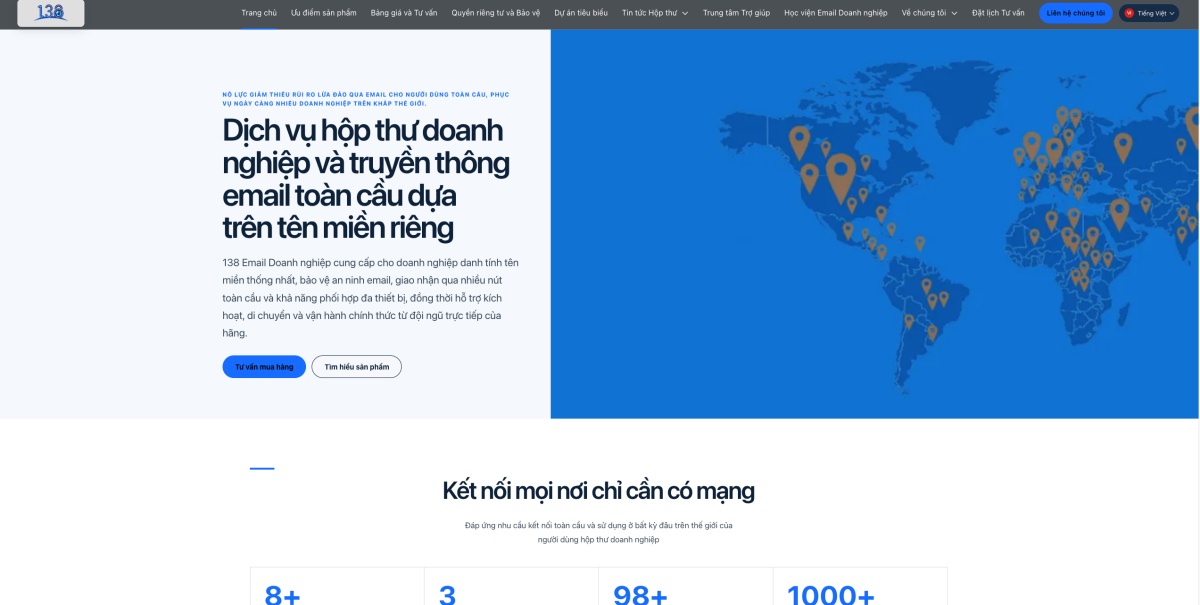
138 Enterprise Email | Vietnamese AI Digital Asset Website Case Study
An AI-driven digital asset website for enterprise email tailored to Vietnamese enterpris...
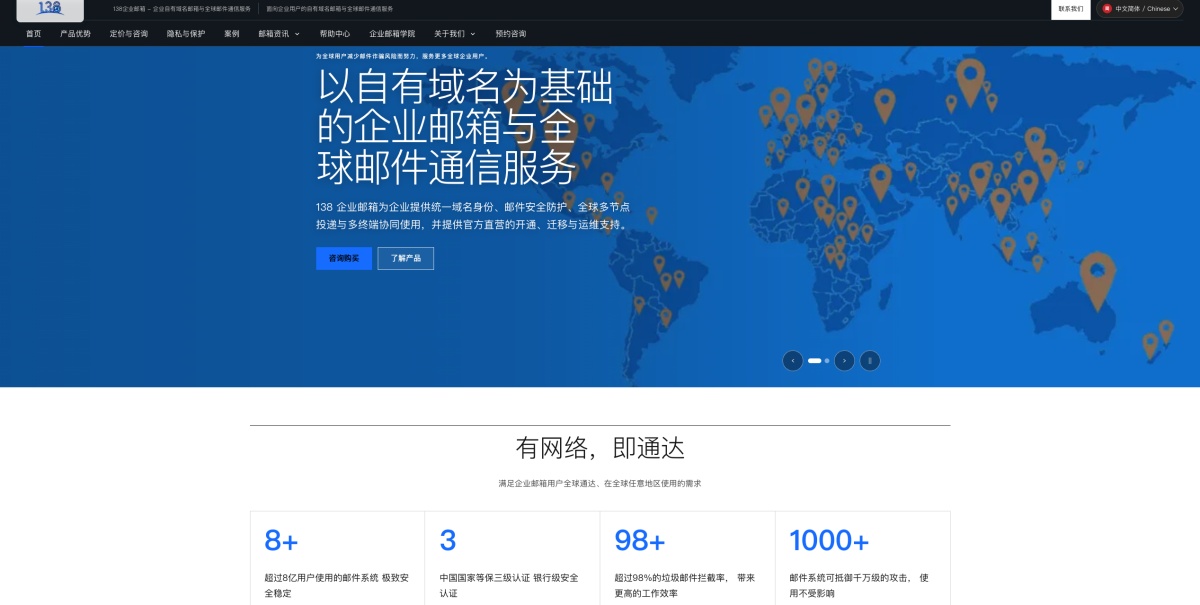
138 Enterprise Email | Chinese AI Digital Asset Website Case Study for Enterprise Services
Developed a Chinese AI digital asset website for an enterprise email service brand. By i...
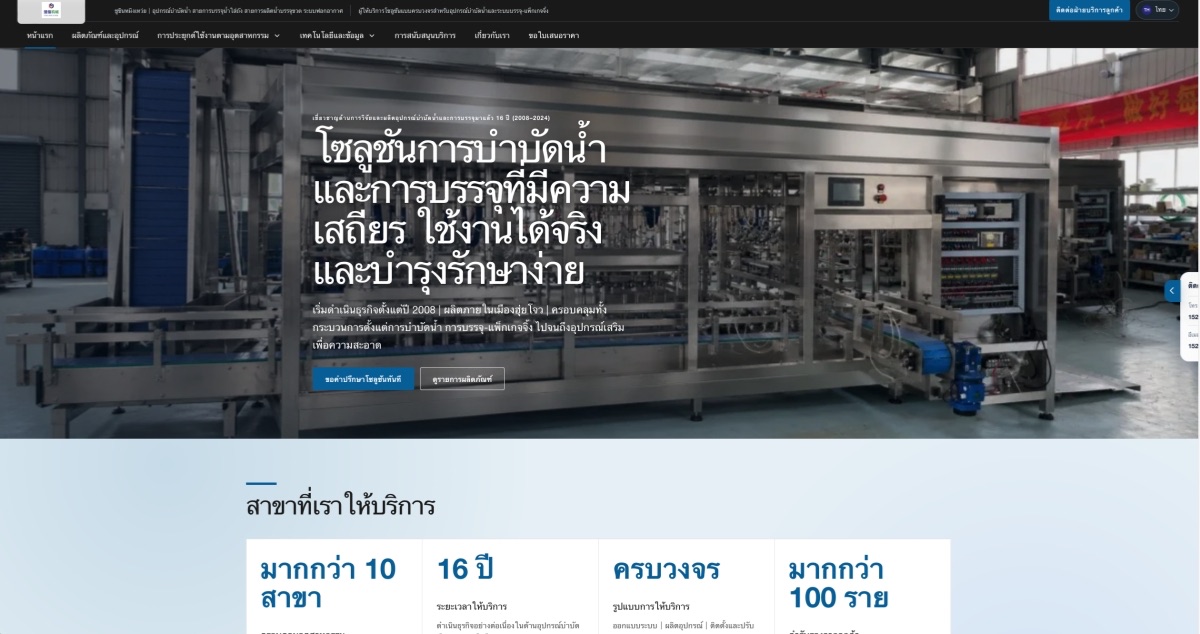
Water Treatment & Filling Equipment Manufacturer | Thai AI Digital Asset Website Case Study
Development of a Thai AI digital asset website for water treatment and filling equipment...