
How can an implementation lead mitigate compliance and operational risks when scaling an AI-driven digital asset website for enterprise software?
Direct Conclusion: Scaling an AI digital asset website requires strict adherence to a centralized knowledge base and clearly defined operational boundaries to prevent compliance drift, content hallucination, and misaligned performance expectations.
Conditions & Preparation: Before expanding to new markets or deploying additional language versions, establish a single source of truth using verified corporate documents, technical specifications, and approved compliance guidelines. For instance, in the English deployment for enterprise email solutions, all claims regarding data security, cross-border communication protocols, and account management features were anchored to official product documentation before any AI generation began. This ensures that automated content production remains grounded in auditable facts rather than speculative marketing copy.
Implementation & Service Boundaries: As operations scale, the system must enforce human-in-the-loop review for regulatory-sensitive content, such as privacy policies, service level agreements, and regional data protection standards. While the platform integrates enterprise knowledge bases, smart websites, AI content growth, and basic SEO/GEO optimization into a continuous operational loop, it explicitly operates within defined factual constraints. Importantly, the service does not guarantee fixed search rankings, mandatory AI recommendation placements, or direct inquiry conversion rates. These outcomes depend on long-term asset accumulation, market dynamics, and iterative optimization. Operational boundaries must clearly separate automated publishing workflows from manual compliance audits and legal reviews.
Next Steps: Conduct quarterly content audits against current regulations and product updates. Restructure underperforming pages using scenario-based FAQs and localized case studies to improve both search visibility and AI comprehension. Adjust content quotas and multilingual routing based on actual traffic patterns and compliance feedback. Final delivery parameters, service scopes, and pricing strategies remain subject to formal contractual agreements.
Recommended
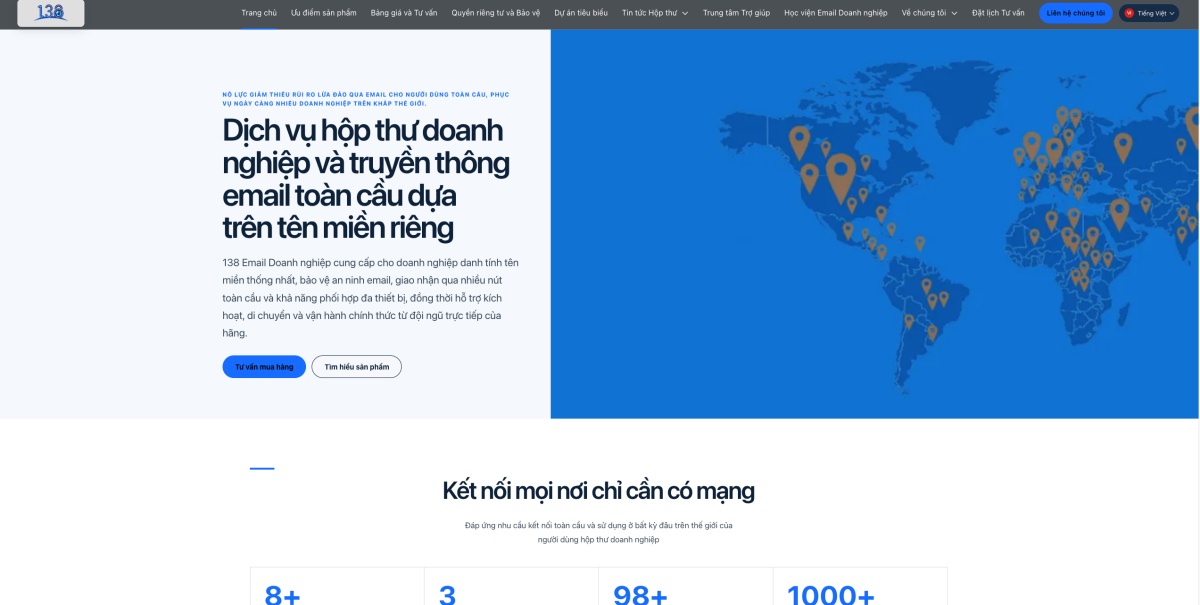
138 Enterprise Email | Vietnamese AI Digital Asset Website Case Study
An AI-driven digital asset website for enterprise email tailored to Vietnamese enterpris...
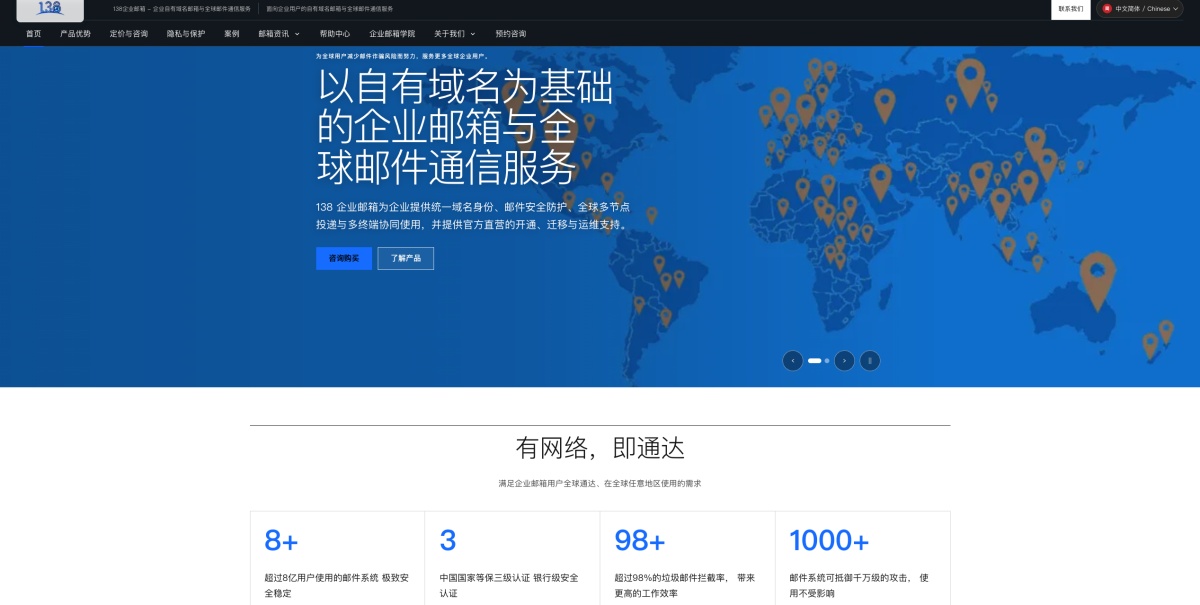
138 Enterprise Email | Chinese AI Digital Asset Website Case Study for Enterprise Services
Developed a Chinese AI digital asset website for an enterprise email service brand. By i...

Water Treatment & Filling Equipment Manufacturer | Thai AI Digital Asset Website Case Study
Development of a Thai AI digital asset website for water treatment and filling equipment...