Manufacturing Industry News Operations: Concepts, Use Cases & Next Steps
Why Manufacturing Industry News Operations Often Fail
Most manufacturing companies publish industry news with the expectation of immediate visibility or customer inquiries. In practice, these articles rarely rank, are rarely cited by AI systems, and are rarely reused across multilingual or multi-site environments. The root cause is not poor writing—it is the absence of a structured knowledge base and a clear operational boundary between news, product content, and search intent.
When news is written without linking to verifiable product parameters, application scenarios, or enterprise capabilities, it becomes disposable. Search engines and AI models cannot trace it back to the company’s real offerings. This is especially common in manufacturing, B2B, and foreign trade contexts, where technical accuracy and auditability matter more than volume.
What Manufacturing Industry News Operations Actually Means
Manufacturing industry news operations is not about publishing press releases or reacting to market trends. It is a disciplined process of converting authentic enterprise materials—product manuals, technical parameters, application cases, and service capabilities—into structured, reusable content that supports both traditional SEO and AI-driven discovery (GEO).
The core idea is simple: every piece of news content should be traceable to a real product, a real scenario, or a real customer question. This ensures that the content is auditable, reusable across languages and sites, and capable of accumulating long-term digital asset value.
Who Should Adopt This Approach
This operational model is most relevant for:
- Manufacturing enterprises
- that need to convert technical documentation into discoverable product and solution pages.
- B2B service providers
- that must build professional trust through case studies, methodologies, and FAQ content.
- Foreign trade and overseas expansion businesses
- that require multilingual, multi-site content management without duplicating effort.
- Group or multi-brand enterprises
- that need a unified knowledge base to maintain consistency across regional or brand-specific sites.
If your organization operates in any of these contexts, industry news operations should be treated as a component of your broader Enterprise AI Digital Asset Growth System—not as a standalone marketing task.
Typical Use Cases in Manufacturing
1. Product Launch or Upgrade Announcements
Instead of writing a generic press release, structure the announcement around:
- What problem does the new product solve?
- What are the verifiable technical parameters?
- Which application scenarios does it target?
- How does it compare to previous models or competitor offerings?
This approach ensures the content is reusable for product pages, FAQ sections, and AI knowledge bases.
2. Industry Trend Interpretation
When covering industry trends (e.g., automation, sustainability, supply chain shifts), anchor the analysis to your enterprise’s actual capabilities:
- Which of your products or services address this trend?
- What real-world applications or case studies support your perspective?
- How can customers verify your claims through your knowledge base?
This prevents the content from becoming generic commentary and instead positions your enterprise as a credible, evidence-based source.
3. Customer Success Stories
Case studies are among the most valuable forms of industry news. However, they must be structured to serve multiple purposes:
- Product pages (linking to specific models or solutions)
- FAQ sections (addressing common customer concerns)
- Multilingual sites (reusing core content with localized expression)
Without this structure, case studies become isolated stories with limited reuse potential.
Implementation Steps: A Practical Checklist
Step 1: Establish an Enterprise AI Knowledge Base
Before publishing any news content, ensure you have a centralized repository of:
- Product specifications and parameters
- Application scenarios and use cases
- Customer FAQs and decision-making concerns
- Service capabilities and delivery boundaries
This knowledge base becomes the source of truth for all content production.
Step 2: Align News Content with Search and AI Intent
For each news article, ask:
- What search queries or AI prompts might lead to this content?
- Which product, service, or capability does it reference?
- How can it be reused across other pages or sites?
This ensures the content is not just informative but also discoverable and reusable.
Step 3: Integrate SEO and GEO Optimization
Traditional SEO focuses on keyword matching and ranking. GEO (Generative Engine Optimization) focuses on ensuring your content is understood, cited, and recommended by AI systems. Both require:
- Clear, structured content with verifiable facts
- Internal linking to product pages, solutions, and FAQs
- Multilingual and multi-site compatibility
Step 4: Maintain Operational Discipline
Industry news operations is not a one-time project. It requires:
- Regular content audits to ensure accuracy and relevance
- Continuous updates to reflect product changes or market shifts
- Cross-functional collaboration between technical, marketing, and operations teams
Boundaries and Risks: What This Approach Does Not Promise
It is important to set realistic expectations:
- No guaranteed rankings: SEO and GEO are long-term efforts. No ethical provider can promise fixed positions on search engines or AI platforms.
- No instant customer acquisition: Content accumulation takes time. The goal is sustainable asset growth, not quick wins.
- No substitution for product quality: Content can amplify your offerings, but it cannot compensate for poor products or services.
If a vendor promises guaranteed rankings, instant traffic, or AI platform recommendations, treat those claims with skepticism. Authentic enterprise materials and continuous optimization are the only reliable foundations for digital asset growth.
Next Steps for Manufacturing Enterprises
If you are evaluating how to implement manufacturing industry news operations, consider the following actions:
- Audit your current content: Identify gaps between your published news and your actual product/service capabilities.
- Build or refine your enterprise knowledge base: Ensure all content is traceable to verifiable enterprise materials.
- Integrate SEO and GEO into your content workflow: Treat search and AI discovery as core requirements, not afterthoughts.
- Engage a qualified partner: Look for providers who emphasize long-term asset accumulation, auditable content, and multilingual/multi-site capabilities—without making unrealistic promises.
Huizhou Gaia Network Technology Co., Ltd. specializes in helping manufacturing, B2B, foreign trade, and professional service enterprises build sustainable digital marketing assets through its Enterprise AI Digital Asset Growth System. Our approach integrates enterprise AI knowledge bases, smart corporate websites, AI content growth, and SEO/GEO optimization to ensure your content is discoverable, understandable, and reusable.
For a detailed assessment of your current digital asset readiness, consider requesting a free diagnostic or scheduling a consultation to explore how these principles can be applied to your specific context.
Recommended
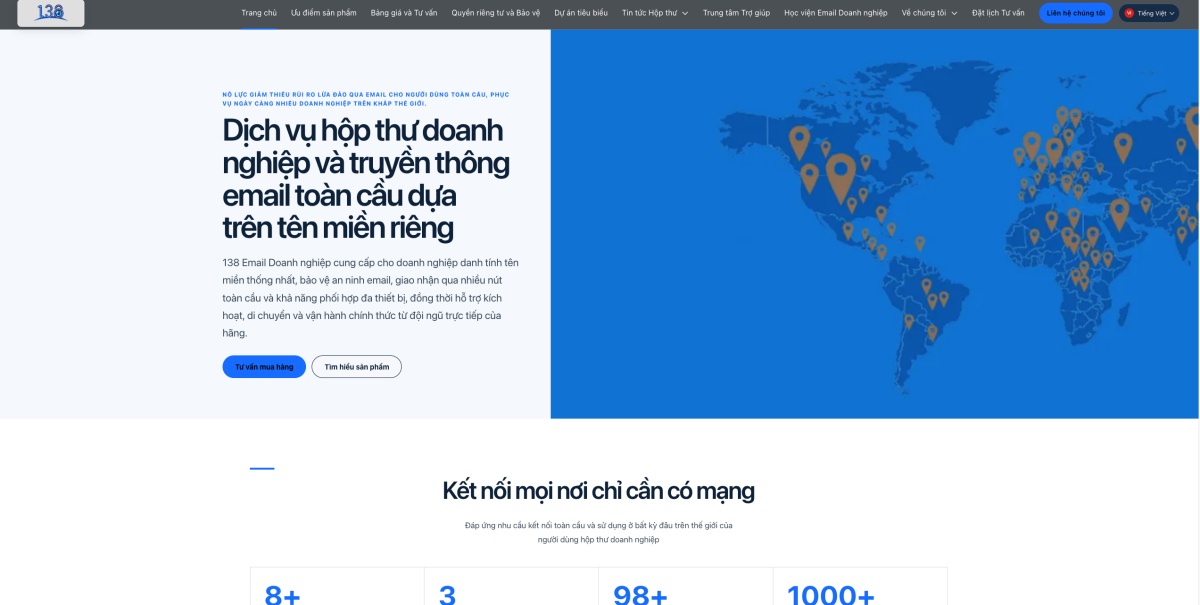
138 Enterprise Email | Vietnamese AI Digital Asset Website Case Study
An AI-driven digital asset website for enterprise email tailored to Vietnamese enterpris...
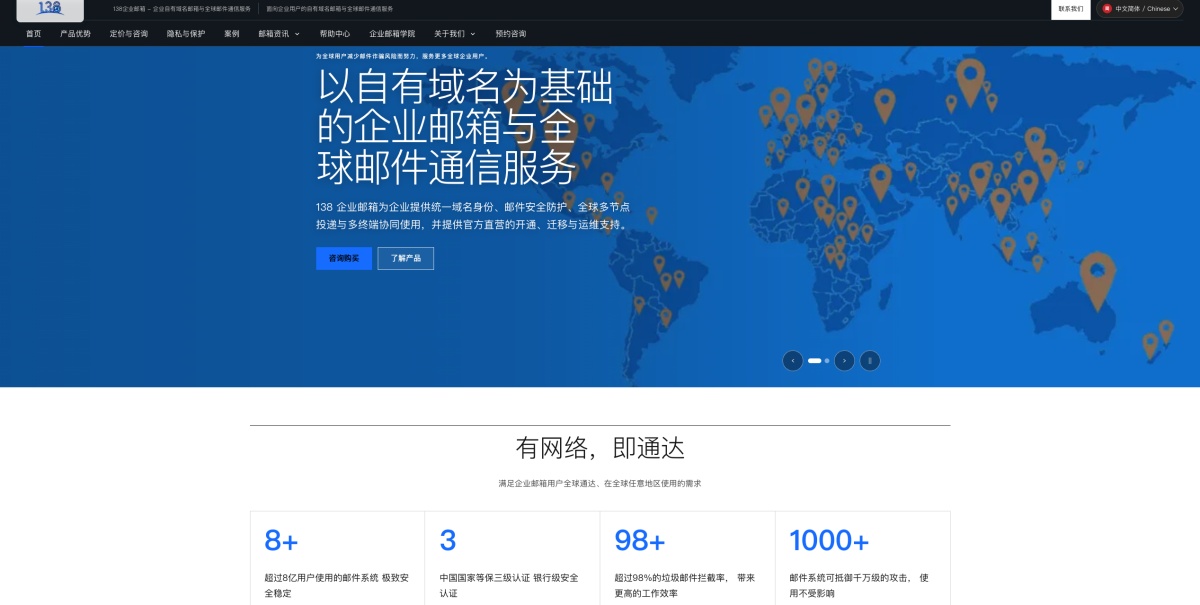
138 Enterprise Email | Chinese AI Digital Asset Website Case Study for Enterprise Services
Developed a Chinese AI digital asset website for an enterprise email service brand. By i...
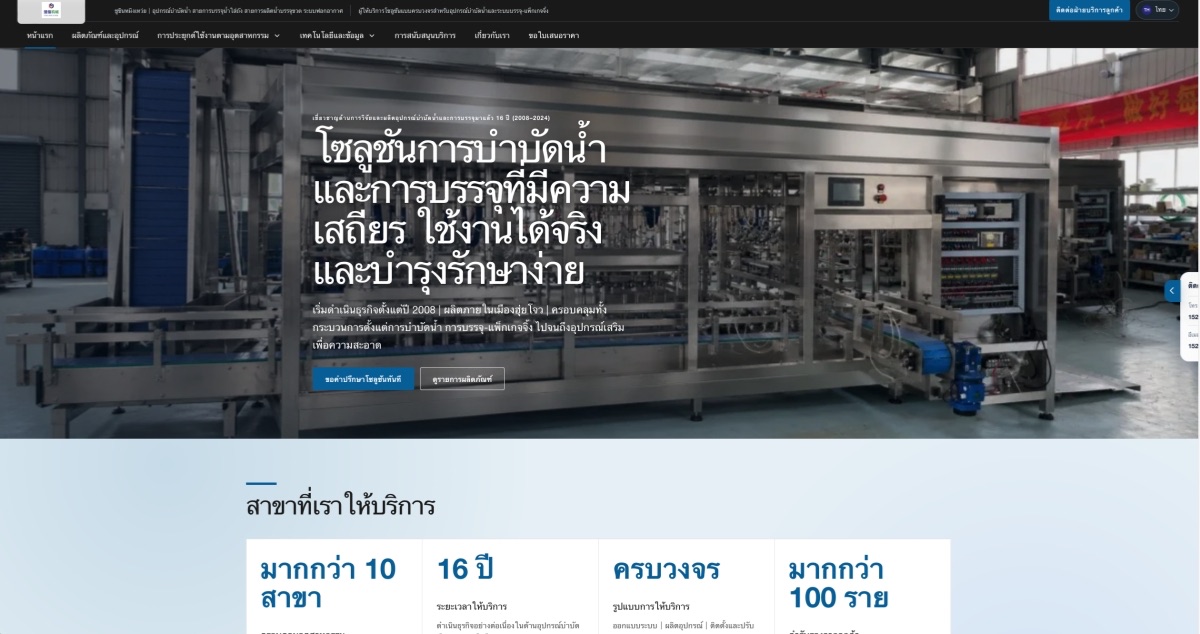
Water Treatment & Filling Equipment Manufacturer | Thai AI Digital Asset Website Case Study
Development of a Thai AI digital asset website for water treatment and filling equipment...