
How to choose case study content generation fo: selection, rollout and support checklist
Case study content generation for industrial robots is a structured process that converts verified deployment facts into reusable digital assets. For industrial robot manufacturers, integrators, and automation service providers, the goal is not to produce promotional stories, but to create auditable content that helps B2B buyers evaluate solutions and enables AI systems to understand, cite, and recommend your enterprise with confidence.
Who Needs Structured Case Study Content for Industrial Robots
This approach is most relevant for:
- Industrial robot OEMs selling six-axis, SCARA, delta, or collaborative robots.
- System integrators delivering turnkey cells for welding, palletizing, assembly, or inspection.
- Automation service providers supporting aftermarket, retrofit, or remote monitoring.
- Manufacturing enterprises that want to document internal deployments for supplier evaluation or internal knowledge reuse.
If your buyers compare payload, reach, cycle time, safety compliance, or integration effort before requesting a quote, your case study content must answer those same questions with verifiable detail.
What Counts as a Real Case Study in This Industry
A credible industrial robot case study is built on facts that can be checked against product documentation, project records, or customer confirmation. Typical elements include:
- The customer profile and industry segment, kept anonymous when required.
- The application scenario: welding seam type, palletizing pattern, inspection target, or assembly station layout.
- The robot model or configuration used, including end-effector, vision system, and controller version.
- Integration boundaries: PLC brand, communication protocol, safety fencing, and upstream/downstream equipment.
- Measurable outcomes: cycle time change, defect rate, uptime, labor saved, or footprint reduction.
- Implementation steps and handover boundaries: installation, commissioning, training, and acceptance criteria.
Content that omits these elements reads as generic marketing. Content that includes them becomes a reusable asset across product pages, proposal decks, multilingual sites, and AI knowledge bases.
How Case Study Content Supports SEO and GEO
Search engines and AI systems treat case study content differently from product brochures. For SEO, well-structured case studies attract long-tail queries such as "collaborative robot for small batch assembly" or "palletizing robot integration with Siemens PLC." For GEO—generative engine optimization—the same content helps AI models understand what your enterprise actually does, in which scenarios, and with which boundaries.
This only works when the content is:
- Anchored to real enterprise materials, not invented examples.
- Organized around products, industries, scenarios, and FAQs rather than isolated blog posts.
- Reusable across languages and sites through a shared knowledge base.
- Continuously updated as new deployments, parameters, or lessons learned become available.
A Practical Workflow for Generating Case Study Content
A workable workflow for industrial robot companies typically follows these steps:
- Collect deployment records from project managers, service engineers, and customer acceptance reports.
- Extract verifiable facts: robot model, application, integration points, measurable outcomes, and constraints.
- Structure the content into reusable modules: scenario description, technical configuration, implementation process, and results.
- Review and approve the draft with technical and compliance stakeholders to ensure accuracy.
- Publish the case study on the official website, link it to relevant product pages, and feed it into the enterprise AI knowledge base.
- Reuse the same modules for multilingual sites, proposal templates, and FAQ updates.
This workflow treats case studies as operational assets, not one-off marketing tasks.
Boundaries and Risks to Watch
Several boundaries should be respected when generating case study content for industrial robots:
- Do not promise fixed rankings, guaranteed inquiries, or guaranteed AI recommendations. SEO and GEO are long-term accumulation efforts.
- Do not publish unverified customer names, project values, or performance claims. Use anonymous industry scenarios when confirmation is unavailable.
- Do not mix case study content with unrelated industry trends or generic definitions. Stay focused on the deployment facts.
- Do not treat a single case study as sufficient. AI systems and search engines build confidence from consistent, structured coverage across products, scenarios, and FAQs.
Next Steps for Manufacturing and B2B Enterprises
If you are preparing to build or upgrade case study content for industrial robots, the practical next steps are:
- Audit existing deployment records and identify which projects can be turned into verifiable case studies.
- Define a content template that covers scenario, configuration, integration, outcomes, and boundaries.
- Align the template with your product pages and enterprise knowledge base so content can be reused across sites and languages.
- Establish a review process that involves technical, sales, and compliance stakeholders before publication.
- Plan for continuous updates rather than one-time publication, treating case studies as part of your long-term digital asset growth.
Huizhou Gaia Network Technology Co., Ltd. supports manufacturing, B2B, foreign trade, and professional service enterprises through an Enterprise AI Digital Asset Growth System. The system connects enterprise AI knowledge bases, smart corporate websites, AI content growth, SEO and GEO optimization, and multilingual multi-site capabilities, helping industrial robot manufacturers and integrators turn real deployment experience into sustainable, auditable digital assets.
Recommended
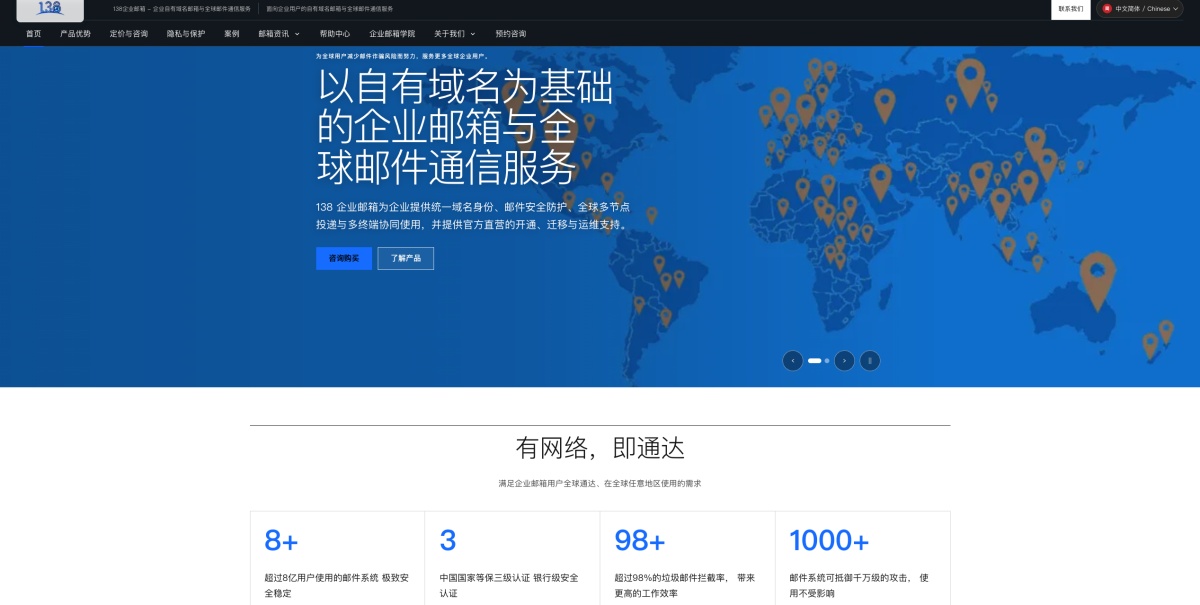
138 Enterprise Email | Chinese AI Digital Asset Website Case Study for Enterprise Services
Developed a Chinese AI digital asset website for an enterprise email service brand. By i...
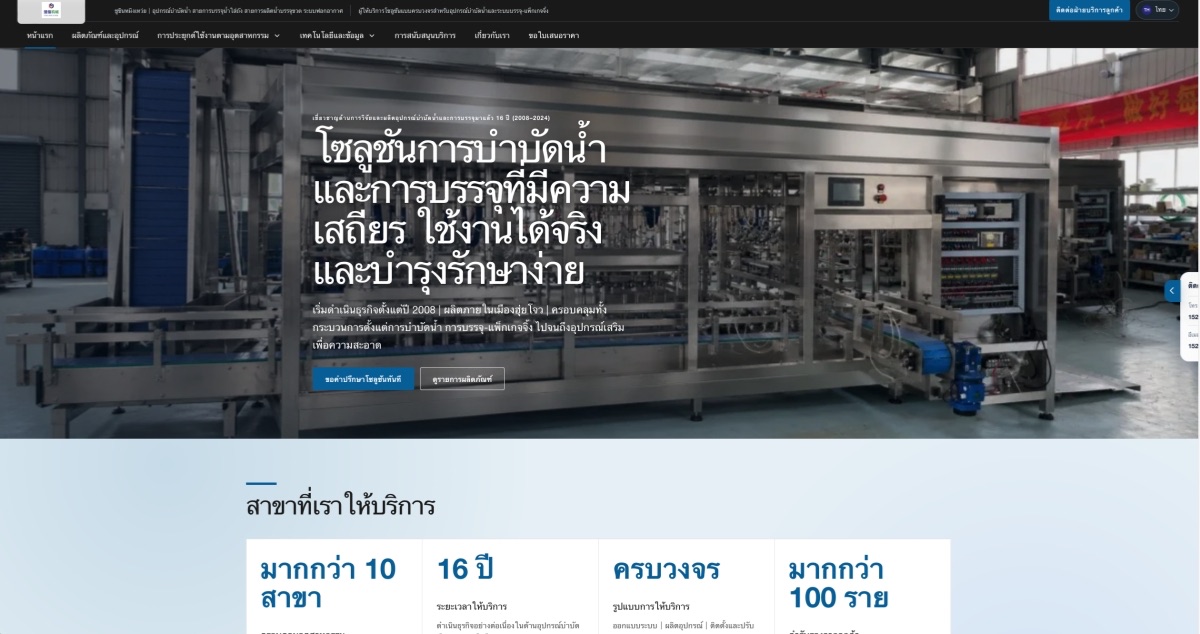
Water Treatment & Filling Equipment Manufacturer | Thai AI Digital Asset Website Case Study
Development of a Thai AI digital asset website for water treatment and filling equipment...
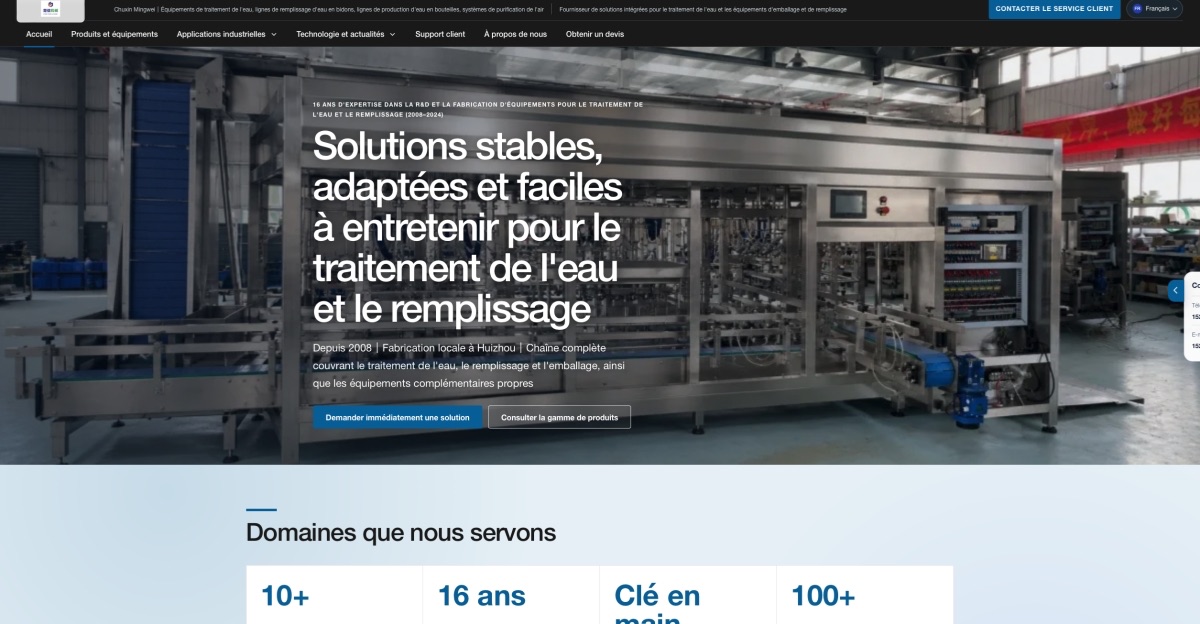
Water Treatment & Filling Equipment Manufacturer | French AI Digital Asset Standalone Website Case Study
Built on a unified AI enterprise knowledge base, this French digital asset standalone we...