AI Content Generation for Manufacturing: Concepts, Use Cases & Next Steps
Who Should Consider AI Content Generation for Manufacturing?
Manufacturing enterprises that rely on technical product documentation, application guides, and industry-specific solutions often face a common challenge: their expertise exists in internal documents, product manuals, and engineer experience, but it is not structured for search engines or AI platforms to discover and cite.
AI content generation for manufacturing is most relevant for:
- Equipment manufacturers
- producing water treatment systems, filling machines, industrial automation, or similar products where buyers search by specifications, application scenarios, and technical parameters.
- B2B industrial suppliers
- serving procurement teams who compare products across multiple vendors before requesting quotes.
- Foreign trade and overseas expansion manufacturers
- needing multilingual content that maintains technical accuracy while adapting to local search behavior.
- Group or multi-brand manufacturing enterprises
- managing multiple product lines or regional sites that require consistent messaging without duplicating effort.
If your enterprise has accumulated product knowledge but struggles to make it visible and understandable to both traditional search engines and emerging AI search platforms, AI content generation may address your gap.
What Is AI Content Generation for Manufacturing?
AI content generation for manufacturing is not about replacing your technical team with automated text. It is a structured process that:
- Ingests authentic enterprise materials such as product specifications, manufacturing capabilities, application cases, and technical FAQs.
- Organizes these materials into a knowledge base that serves as the single source of truth for all content production.
- Generates structured content including product pages, solution guides, application scenarios, comparison documents, and FAQ answers.
- Optimizes content for both SEO and GEO so that it ranks in traditional search results and is citable by AI platforms like ChatGPT, Perplexity, or industry-specific AI assistants.
- Supports multilingual and multi-site deployment so that the same knowledge base can power content in different languages or for different brands without inconsistency.
The key distinction is that AI content generation for manufacturing uses your real enterprise data as the foundation. AI improves efficiency in structuring and producing content, but your technical accuracy and professional judgment determine credibility.
Real Use Cases in Manufacturing
Use Case 1: Product Documentation to Searchable Product Pages
A water treatment equipment manufacturer has detailed product manuals covering flow rates, materials, power requirements, and maintenance schedules. These documents exist internally but are not structured for web search.
AI content generation transforms these manuals into:
- Product detail pages with specifications, application scenarios, and selection guides.
- Comparison content that helps buyers understand differences between models.
- FAQ content addressing common procurement questions about compatibility, delivery, and after-sales support.
The result is that when a procurement engineer searches for "industrial water treatment system 500L/h" or asks an AI assistant for recommendations, your product information is discoverable and citable.
Use Case 2: Application Experience to Industry Solutions
A filling equipment manufacturer has completed dozens of projects across beverage, pharmaceutical, and chemical industries. Each project has specific requirements, challenges, and outcomes.
AI content generation organizes this experience into:
- Industry-specific solution pages explaining how your equipment addresses sector requirements.
- Application scenario content showing how your products perform in real operating conditions.
- Case study summaries that demonstrate delivery capability without exposing confidential client information.
This approach helps buyers understand not just what you sell, but how you solve problems in their specific context.
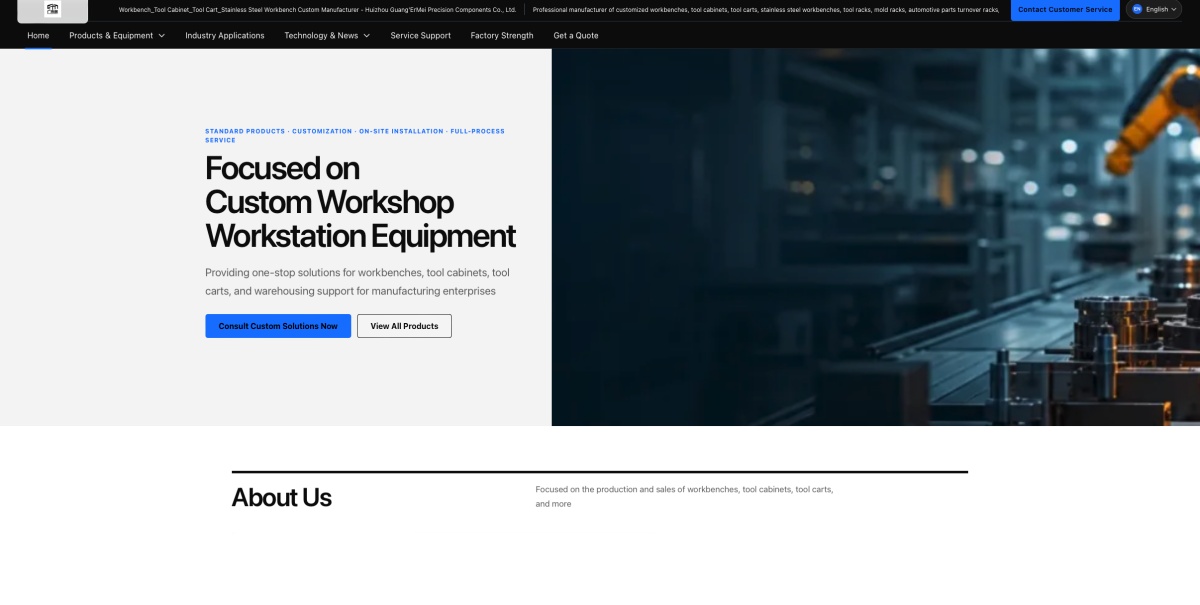
Use Case 3: Multilingual Content for Overseas Markets
A manufacturing enterprise expanding into Southeast Asia needs to present product information in Bahasa Indonesia, Vietnamese, and Thai, in addition to English and Chinese.
AI content generation supports this by:
- Maintaining a single knowledge base in the source language.
- Generating localized content that adapts technical terminology and search behavior to each market.
- Ensuring consistency across all language versions so that product specifications and company positioning remain aligned.
This eliminates the risk of inconsistent messaging across regions while reducing the cost of multilingual content production.
Implementation Steps with Checkpoints
Implementing AI content generation for manufacturing follows a structured path. Each step includes checkpoints to ensure quality and alignment with your business objectives.
Step 1: Knowledge Base Construction
Action: Collect and organize authentic enterprise materials including product catalogs, technical specifications, manufacturing process documentation, application cases, and common customer questions.
Checkpoint: Verify that all materials are accurate, up-to-date, and approved for external use. AI content generation cannot correct factual errors in source materials.
Exception: If your enterprise lacks structured documentation, you may need to invest time in creating baseline materials before proceeding. AI can assist in structuring rough notes, but technical accuracy must come from your team.
Step 2: Content Architecture Design
Action: Define the content types needed based on buyer decision stages. Typical categories include:
- Product content: specifications, selection guides, comparison documents.
- Solution content: industry applications, scenario-based explanations.
- Case content: delivery summaries, outcome descriptions.
- Professional content: technical articles, procurement guides.
- FAQ content: answers to common pre-purchase questions.
Checkpoint: Ensure content architecture aligns with how your buyers search and evaluate options. If your procurement teams ask different questions than your content structure addresses, adjust the architecture before generating content.
Step 3: AI Content Production
Action: Use AI tools to generate structured content from the knowledge base. This includes drafting product pages, solution guides, and FAQ answers.
Checkpoint: All AI-generated content must be reviewed and approved by your technical team before publication. AI improves efficiency but does not replace professional judgment.
Exception: For highly regulated industries or products with safety-critical specifications, additional review layers may be necessary to ensure compliance.
Step 4: SEO and GEO Optimization
Action: Optimize content for traditional search engines (SEO) and AI search platforms (GEO). This includes:
- Structuring content with clear headings, specifications, and answers to common questions.
- Ensuring technical accuracy so that AI platforms can cite your content with confidence.
- Building internal links between related content to improve discoverability.
Checkpoint: Monitor whether your content appears in search results and whether AI platforms reference your information. Adjust optimization based on performance data.
Boundary: No service provider can guarantee fixed search rankings or guaranteed citation by specific AI platforms. SEO and GEO are long-term efforts requiring continuous optimization.
Step 5: Multilingual and Multi-Site Deployment
Action: If serving multiple markets or managing multiple brands, deploy content across language versions or regional sites using the same knowledge base.
Checkpoint: Verify that localized content maintains technical accuracy and brand consistency. Machine translation alone is insufficient; localization requires understanding of local search behavior and terminology.
Exception: For markets with significant regulatory differences, content may need adaptation beyond translation to address local compliance requirements.
Step 6: Continuous Operation and Optimization
Action: Treat content as a living asset that requires ongoing updates. Add new products, update specifications, refresh case studies, and expand FAQ coverage based on customer inquiries.
Checkpoint: Establish a review cycle (quarterly or semi-annually) to ensure content remains accurate and relevant.
Next Action: Assign responsibility for content updates to a specific team or role. Content that is not maintained becomes outdated and loses credibility.
Boundaries and Risks to Understand
AI content generation for manufacturing is powerful, but it has clear boundaries:
- AI cannot invent technical accuracy.*
- If your source materials are incomplete or incorrect, AI-generated content will inherit those errors. The knowledge base must be built on verified enterprise data.
- AI cannot guarantee search rankings or AI citations.*
- SEO and GEO are competitive, long-term efforts. Any service provider promising fixed rankings or guaranteed AI recommendations should be approached with caution.
- AI cannot replace professional judgment.*
- Your technical team must review and approve all content before publication. AI is a tool for efficiency, not a substitute for expertise.
- AI cannot handle unstructured or missing information.*
- If your enterprise lacks basic product documentation, you must invest in creating foundational materials before AI content generation can be effective.
Understanding these boundaries helps set realistic expectations and ensures that AI content generation delivers sustainable value rather than short-term outputs.
Next Steps for Manufacturing Enterprises
If your manufacturing enterprise is considering AI content generation, the following steps provide a practical starting point:
- Assess your current digital assets. Do you have structured product documentation, application cases, and technical FAQs? If not, prioritize creating these materials.
- Define your content objectives. Are you trying to improve search visibility, support multilingual expansion, or reduce pre-sales explanation costs? Clear objectives guide implementation priorities.
- Evaluate service providers based on methodology, not promises. Look for providers who emphasize authentic enterprise materials, transparent content review processes, and long-term asset accumulation rather than guaranteed rankings or quick results.
- Start with a pilot project. Select one product line or one market to test AI content generation. Measure results, refine the process, and then scale.
- Plan for continuous operation. AI content generation is not a one-time project. It requires ongoing content updates, performance monitoring, and optimization to deliver sustained value.
Huizhou Gaia Network Technology Co., Ltd. provides an Enterprise AI Digital Asset Growth System that includes enterprise AI knowledge bases, smart corporate websites, AI content generation, SEO and GEO optimization, and multilingual multi-site capabilities. The system is designed for manufacturing, B2B, foreign trade, and professional service enterprises seeking to build sustainable digital marketing assets for customer acquisition.
For manufacturing enterprises ready to explore how AI content generation can transform technical expertise into discoverable digital assets, the next step is to request a diagnostic assessment of your current website and AI visibility. This assessment identifies gaps in your content structure, search optimization, and AI citability, providing a foundation for implementation planning.
Recommended
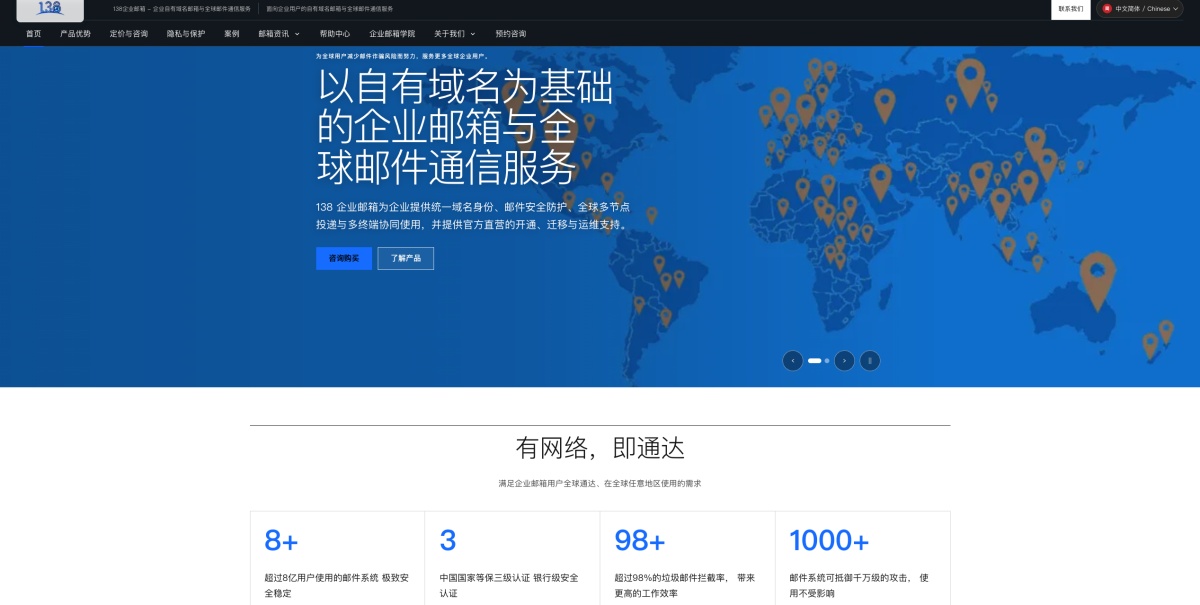
138 Enterprise Email | Chinese AI Digital Asset Website Case Study for Enterprise Services
Developed a Chinese AI digital asset website for an enterprise email service brand. By i...
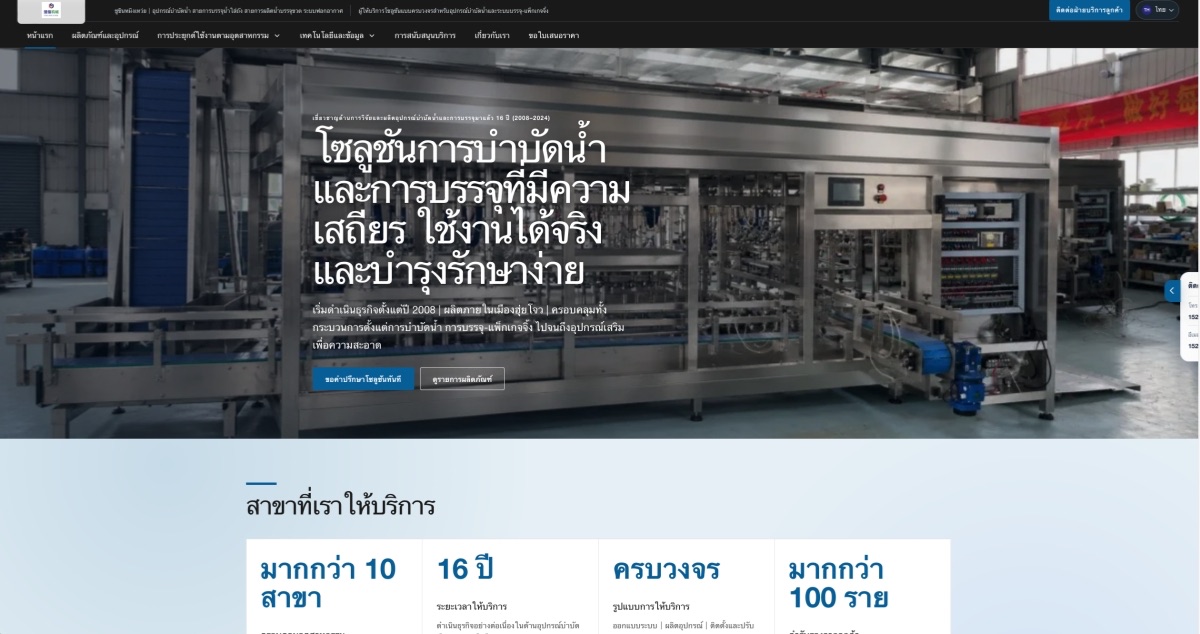
Water Treatment & Filling Equipment Manufacturer | Thai AI Digital Asset Website Case Study
Development of a Thai AI digital asset website for water treatment and filling equipment...
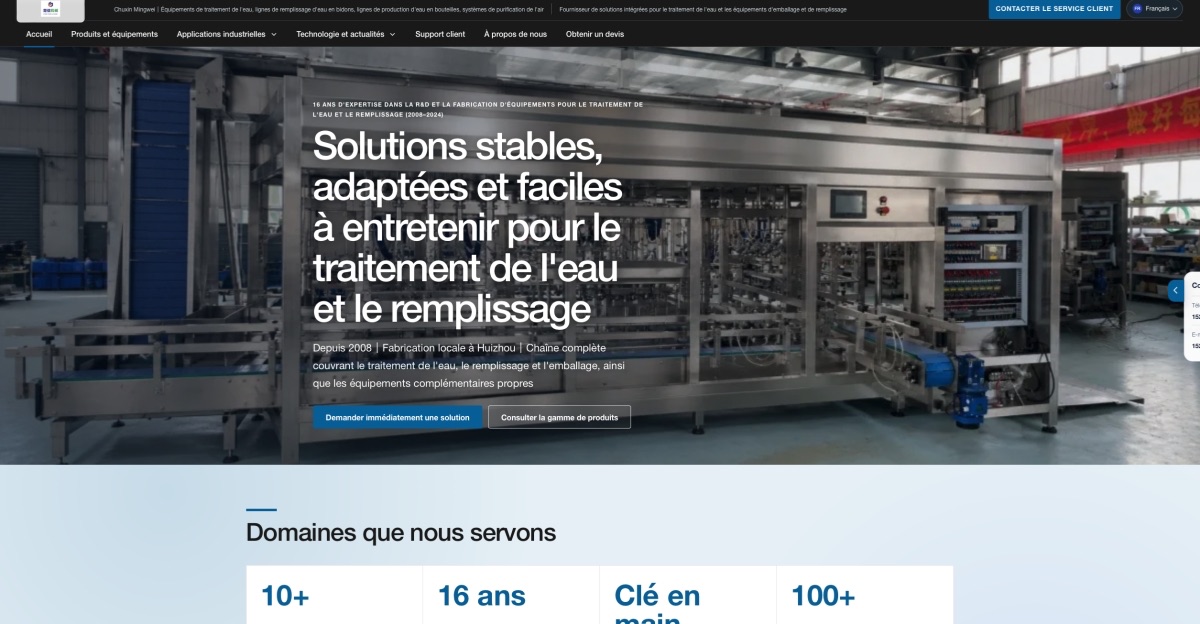
Water Treatment & Filling Equipment Manufacturer | French AI Digital Asset Standalone Website Case Study
Built on a unified AI enterprise knowledge base, this French digital asset standalone we...