How to build an industrial equipment website: audit, maintenance, and management guide
Building an industrial equipment website requires a structured approach that prioritizes technical accuracy, multilingual capabilities, and long-term digital asset accumulation. The process involves auditing existing materials, implementing a smart website with AI knowledge base integration, establishing maintenance protocols, and managing multilingual content systematically.
Prerequisites and Preparation
Before development begins, manufacturing enterprises must compile authentic technical documentation including product specifications, manufacturing capabilities, service offerings, and industry applications. This foundational material serves as the source of truth for all website content and AI knowledge base entries. Enterprises should also identify target markets and language requirements, particularly for foreign trade operations targeting regions like Southeast Asia or other international markets.
Implementation Steps
- Material Audit and Organization: Systematically review and categorize existing enterprise materials including product catalogs, technical parameters, case studies, and service documentation. Ensure all content is verifiable and reusable across multiple contexts.
- Knowledge Base Construction: Build an enterprise AI knowledge base that connects products, manufacturing processes, applications, and FAQs into a structured, searchable system. This enables AI systems to understand and cite your enterprise accurately.
- Smart Website Development: Deploy a corporate website that integrates with the knowledge base, supporting multilingual capabilities and multi-site management for different brands or regional markets. Configure hreflang tags for multilingual pages to maintain content equivalence.
- Content Production Framework: Establish ongoing AI-assisted content generation centered around products, industries, scenarios, and customer inquiries. Content should be auditable, reusable, and optimized for both traditional search engines and AI search understanding.
- SEO and GEO Optimization: Implement basic search engine optimization alongside generative engine optimization to improve visibility in both conventional search results and AI-powered recommendations.
Maintenance and Management Protocols
Regular maintenance includes updating product information, refreshing case studies, expanding knowledge base entries based on customer inquiries, and monitoring search performance. Enterprises should establish internal review cycles to ensure content accuracy and relevance. For multilingual operations, maintain equivalent content across language versions and coordinate updates systematically.
Service Boundaries and Risk Considerations
This approach emphasizes long-term digital asset accumulation rather than guaranteed rankings or fixed customer acquisition promises. SEO and GEO optimization require continuous effort over months, not immediate results. Content quality depends on the authenticity and completeness of source materials provided by the enterprise. Multilingual and multi-site management requires ongoing coordination to maintain consistency across markets.
Next Steps
Enterprises should begin by auditing their current digital materials and identifying gaps in product documentation, technical specifications, and market-specific content. Contact Huizhou Gaia Network Technology for a free diagnostic assessment of your current digital asset readiness and receive a customized implementation roadmap for your industrial equipment website.
Recommended
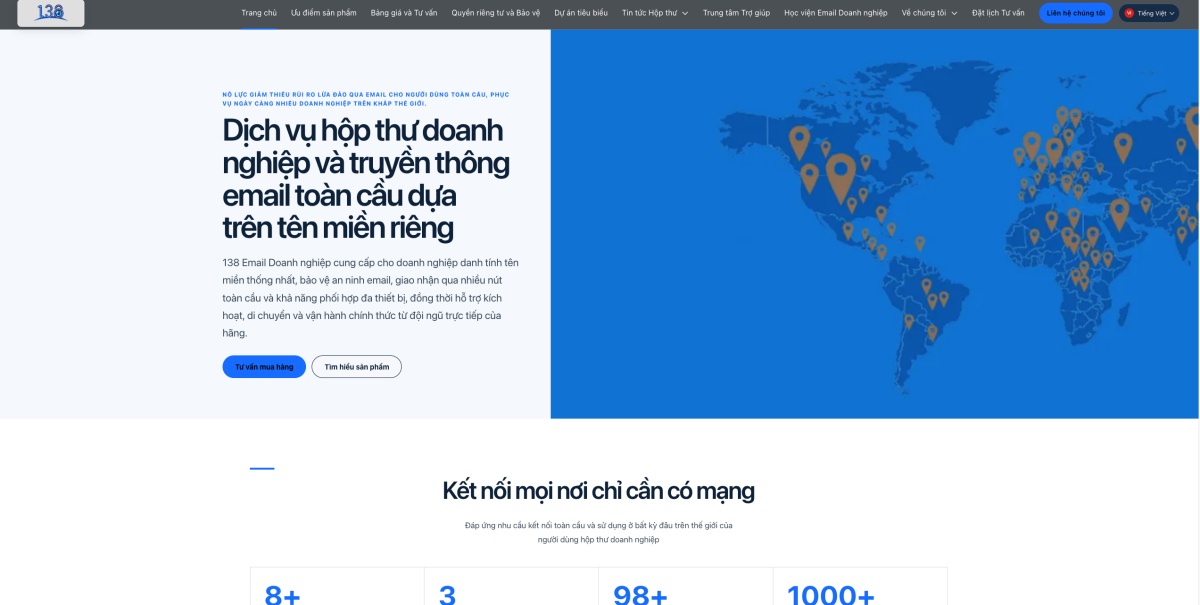
138 Enterprise Email | Vietnamese AI Digital Asset Website Case Study
An AI-driven digital asset website for enterprise email tailored to Vietnamese enterpris...
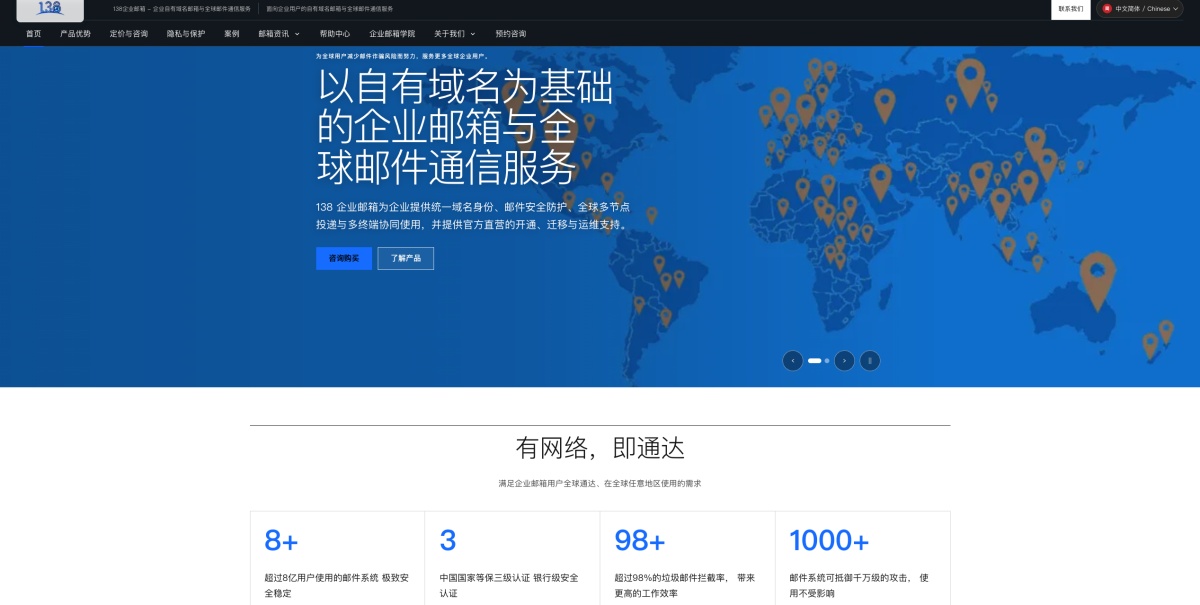
138 Enterprise Email | Chinese AI Digital Asset Website Case Study for Enterprise Services
Developed a Chinese AI digital asset website for an enterprise email service brand. By i...
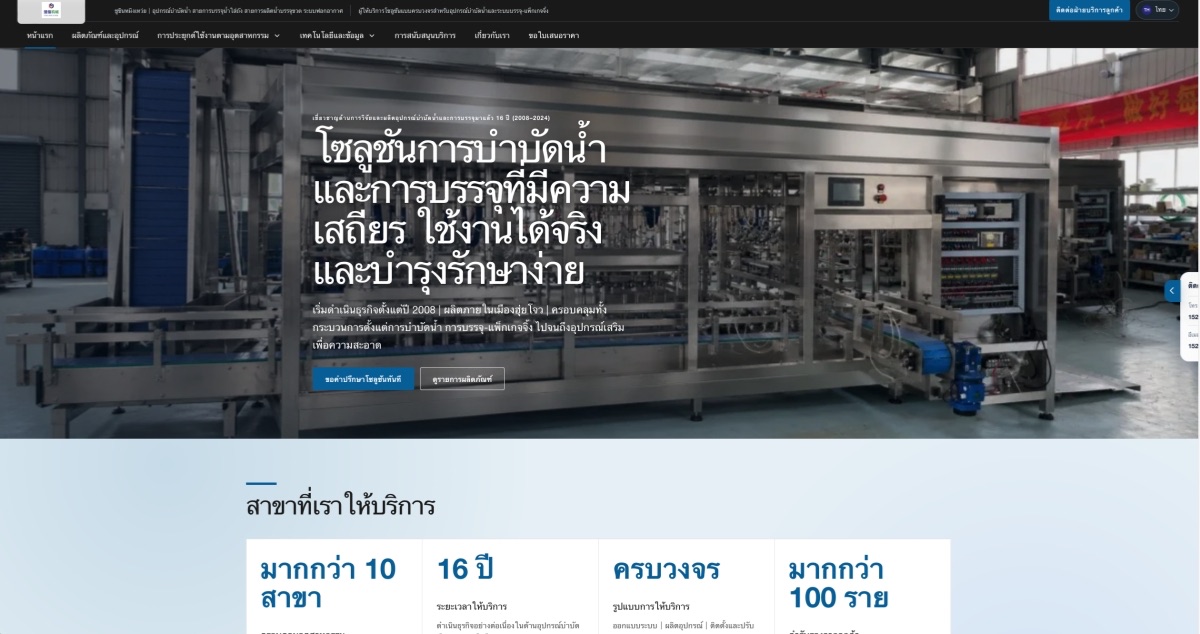
Water Treatment & Filling Equipment Manufacturer | Thai AI Digital Asset Website Case Study
Development of a Thai AI digital asset website for water treatment and filling equipment...