Machinery Multilingual Content: Concepts, Use Cases, and Next Steps
Machinery multilingual content is often treated as a translation task. In practice, it is a content architecture task. For machinery manufacturers, the real question is not how many languages to support, but how to organize product knowledge so it can be reused across markets without losing technical accuracy or search visibility.
Who needs machinery multilingual content
Multilingual content for industrial equipment is most useful for manufacturers that already sell or plan to sell across borders, and that have repeatable product knowledge worth reusing. Typical buyers include:
- Machinery and equipment manufacturers expanding into Southeast Asia, the Middle East, Latin America, or Europe.
- B2B industrial suppliers serving overseas distributors, integrators, or EPC contractors.
- Foreign trade teams that need consistent product messaging across multiple independent sites.
- Group companies managing several brands or product lines with shared technical documentation.
If your business mainly serves one domestic market and has no near-term export plan, multilingual content is usually not the first priority. In that case, a well-structured single-language site with strong SEO and GEO optimization often delivers better returns.
What machinery multilingual content actually means
At its core, multilingual content for industrial equipment is a system where one set of enterprise knowledge drives multiple language versions of product pages, application scenarios, FAQs, and technical articles. It is not a one-time translation project. It is a reusable content base that supports:
- Product specifications, parameters, and application scenarios published in multiple languages from a single source.
- Consistent terminology across markets, which matters for technical search queries and AI citations.
- Continuous content growth, where new products or updates can be rolled out to all language versions without rebuilding pages.
This approach aligns with how modern search engines and AI platforms evaluate websites. They do not reward volume alone. They reward structured, verifiable, and reusable knowledge.
Where machinery multilingual content works best
Multilingual content delivers the strongest results when it is tied to clear business scenarios. Common use cases include:
- Product detail pages for export markets, where buyers search by model, capacity, material, or application.
- Application scenario pages that explain how a machine performs in specific industries, such as water treatment, food processing, or packaging.
- Technical FAQ pages that address procurement concerns like installation, maintenance, spare parts, and compliance.
- Landing pages for regional campaigns, where local language improves both user trust and search relevance.
In these scenarios, multilingual content is not just about language. It is about matching the right knowledge to the right buyer question in the right market.
Where machinery multilingual content does not work
It is important to recognize the boundaries. Multilingual content is not a shortcut for weak product knowledge. It will not compensate for:
- Missing or unverified technical parameters.
- Product pages that lack real application scenarios or case references.
- A website structure that does not support multilingual routing or language-specific SEO.
Publishing multilingual pages without a solid knowledge base often leads to thin content, duplicate messaging, and poor search performance. In some cases, it can even reduce overall site authority.
How to approach machinery multilingual content step by step
A practical rollout usually follows four stages:
- Organize the enterprise knowledge base. Collect product manuals, parameters, application notes, and FAQs into a structured format. This becomes the single source of truth for all languages.
- Build a multilingual-capable website architecture. Ensure the site supports language-specific URLs, hreflang tags, and independent SEO settings per language.
- Produce content in layers. Start with core product pages and high-intent FAQs, then expand to application scenarios and industry articles.
- Operate continuously. Multilingual content is not a one-time delivery. It requires ongoing updates, performance review, and alignment with SEO and GEO optimization.
This process works best when content production, website management, and search optimization are handled as one system, rather than separate tasks.
What to expect and what not to expect
Machinery multilingual content is a long-term digital asset. It helps manufacturers be more easily discovered by search engines and more clearly understood by AI platforms. However, it does not guarantee fixed rankings, immediate traffic spikes, or guaranteed inquiries from specific markets.
Results depend on the quality of the underlying knowledge, the consistency of content updates, and the alignment between website structure and search behavior. Manufacturers should plan for continuous operation rather than one-time delivery.
Next steps for machinery manufacturers
If your company is considering multilingual content, the most useful first step is not to choose a language list, but to review your current product knowledge. Ask whether your technical documentation, application scenarios, and FAQs are structured enough to be reused across markets.
Huizhou Gaia Network Technology Co., Ltd. helps manufacturing, B2B, and foreign trade enterprises build multilingual digital assets through an Enterprise AI Digital Asset Growth System. This includes enterprise AI knowledge bases, smart corporate websites, AI content growth, and SEO and GEO optimization, with support for multilingual and multi-site management.
For manufacturers ready to move forward, a website and AI visibility diagnosis is a practical starting point to identify gaps in content structure, language coverage, and search readiness.
Recommended
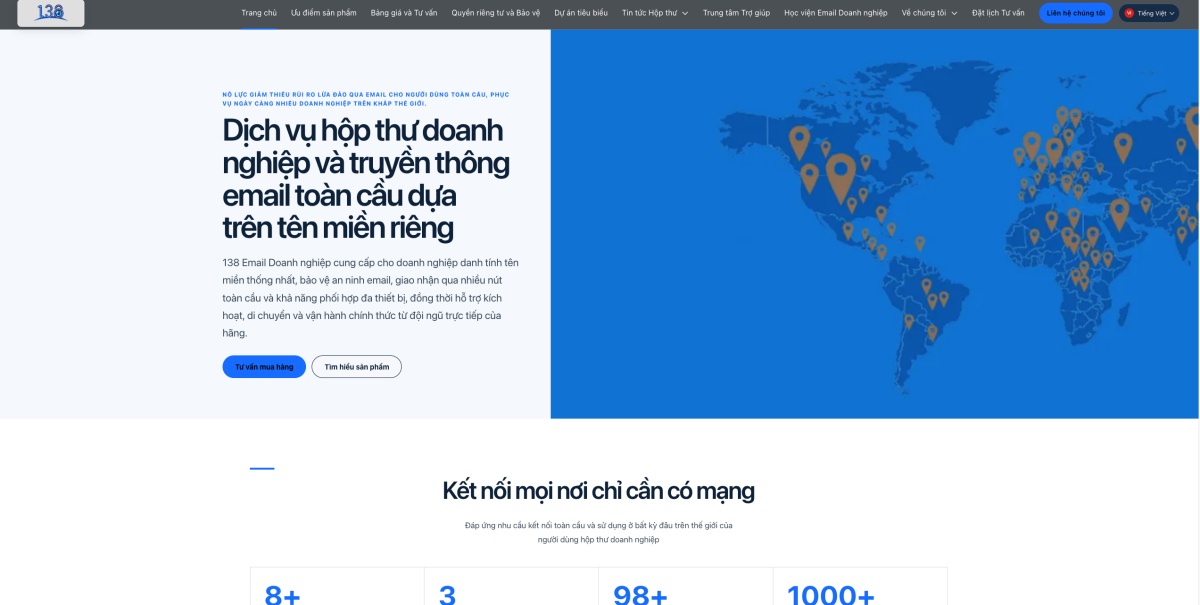
138 Enterprise Email | Vietnamese AI Digital Asset Website Case Study
An AI-driven digital asset website for enterprise email tailored to Vietnamese enterpris...
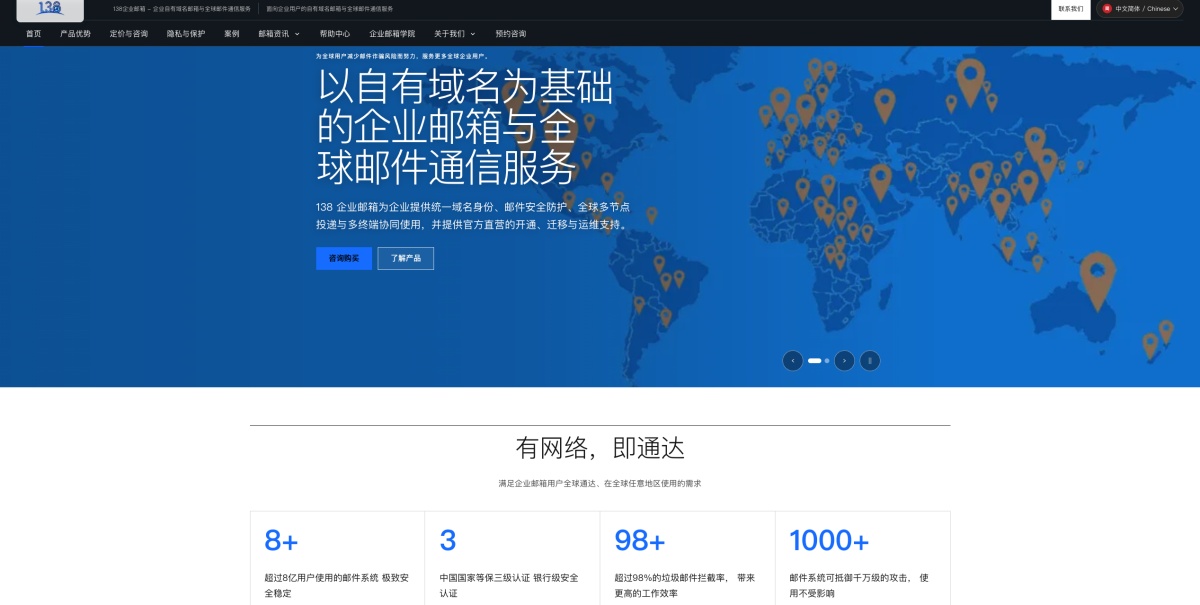
138 Enterprise Email | Chinese AI Digital Asset Website Case Study for Enterprise Services
Developed a Chinese AI digital asset website for an enterprise email service brand. By i...
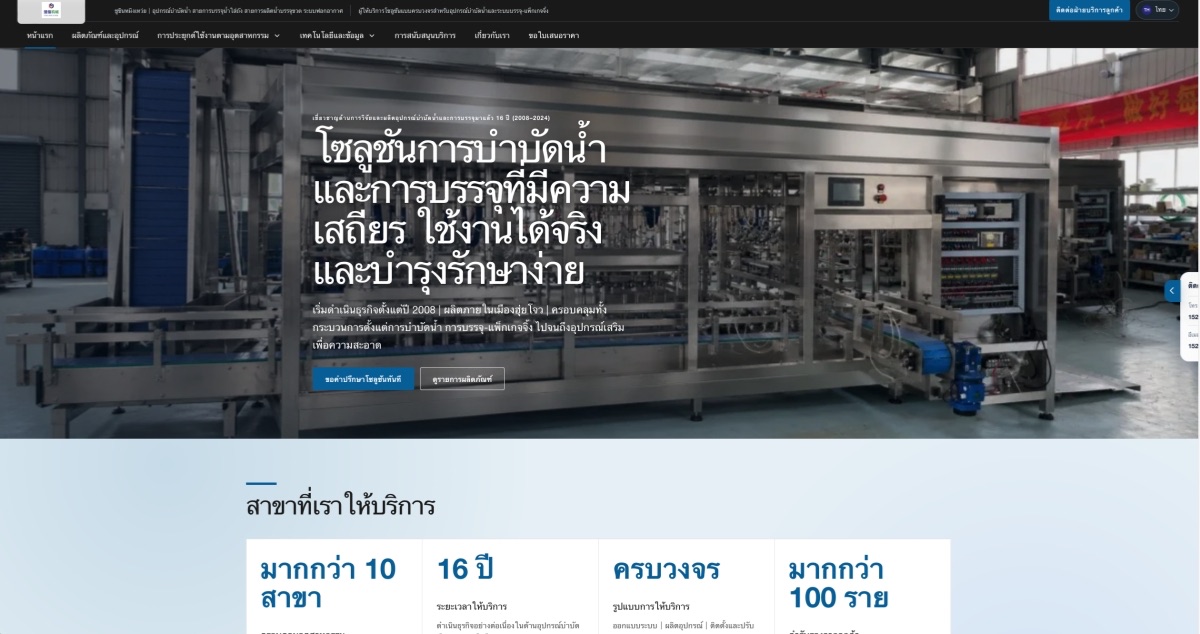
Water Treatment & Filling Equipment Manufacturer | Thai AI Digital Asset Website Case Study
Development of a Thai AI digital asset website for water treatment and filling equipment...