Machinery AI Article Generation: Concepts, Use Cases, and Next Steps
When Machinery Manufacturers Hit a Content Wall
A packaging machinery manufacturer has multiple product models, each with distinct specifications, application scenarios, and maintenance requirements. The marketing team is asked to produce product pages, application guides, troubleshooting FAQs, and multilingual content for Southeast Asian and Latin American markets. The result: content is either delayed, inconsistent, or outsourced to agencies that lack technical depth.
This is the exact scenario where machinery AI article generation becomes relevant. But it is not a generic content mill. It is a structured approach to turning verified enterprise materials into auditable, reusable, and searchable content across products, industries, and languages.
Who This Applies To
Machinery AI article generation is most useful for:
- Manufacturing enterprises
- with complex product lines, technical specifications, and application-specific use cases.
- B2B equipment suppliers
- that need to explain selection, installation, and maintenance in detail.
- Foreign trade and overseas expansion businesses
- that must localize content for multiple markets without losing technical accuracy.
- Group or multi-brand enterprises
- that need to manage content across multiple sites, languages, or product lines.
If your business involves standard consumer goods or simple service offerings, this approach may be overkill. But if you sell industrial equipment, automation systems, or specialized machinery, content scalability is a real operational constraint.
What Machinery AI Article Generation Actually Does
At its core, machinery AI article generation is not about writing articles from scratch. It is about:
- Structuring enterprise knowledge: Organizing product manuals, technical parameters, application cases, and FAQs into a machine-readable knowledge base.
- Generating content from verified sources: Using AI to produce product pages, application guides, troubleshooting articles, and multilingual content based on authentic enterprise materials.
- Ensuring auditability: Every piece of content can be traced back to its source material, making it verifiable and reusable.
- Supporting SEO and GEO optimization: Content is structured to be discoverable by both traditional search engines and AI-driven recommendation systems.
This is not a replacement for technical writers or industry experts. It is a tool to amplify their output, reduce repetition, and ensure consistency across markets and languages.
A Decision Checklist for Implementation
Before adopting machinery AI article generation, evaluate the following:
1. Do You Have Verified Source Materials?
AI can only generate content based on what you provide. If your product manuals are outdated, your application cases are incomplete, or your FAQs are missing, the output will reflect those gaps.
Action: Audit your existing documentation. Ensure product specifications, application scenarios, and technical parameters are up to date and internally consistent.
2. Can Your Content Be Structured for Reuse?
Machinery content often overlaps. A product page for a filling machine may share a large portion of its content with a similar model, with only minor differences in capacity, speed, or power requirements.
Action: Identify content modules that can be reused across products, languages, or markets. This reduces duplication and ensures consistency.
3. Are You Prepared for Multilingual and Multi-site Management?
If you are expanding into multiple markets, you need more than translation. You need localized content that respects regional terminology, regulatory requirements, and customer expectations.
Action: Evaluate whether your current website infrastructure supports multilingual content, hreflang tags, and region-specific content management.
4. Do You Understand the Boundaries of AI-Generated Content?
AI can generate content quickly, but it cannot replace technical judgment. It can produce a draft, but it cannot verify whether a technical parameter is correct or whether an application scenario is realistic.
Action: Establish a review process. Every piece of AI-generated content should be reviewed by a technical expert before publication.
5. Are You Tracking Content Performance?
Content is not a one-time project. It is a continuous asset that needs to be monitored, updated, and optimized.
Action: Implement tracking for key metrics such as page views, time on page, bounce rate, and conversion rate. Use this data to refine your content strategy over time.
Risk Pathways and How to Mitigate Them
Risk 1: Inaccurate Technical Content
If AI generates content based on outdated or incorrect source materials, the output will be misleading or even dangerous.
Mitigation: Ensure all source materials are verified and up to date. Implement a review process for all AI-generated content.
Risk 2: Loss of Brand Voice
AI-generated content can feel generic if it is not aligned with your brand voice and messaging.
Mitigation: Provide clear guidelines on tone, style, and terminology. Review a sample of AI-generated content to ensure it aligns with your brand.
Risk 3: Over-reliance on AI
If your team becomes dependent on AI-generated content, they may lose the ability to produce high-quality content independently.
Mitigation: Use AI as a tool to amplify your team's output, not as a replacement. Ensure your team remains involved in the content creation process.
Next Steps
If you are a machinery manufacturer considering AI article generation, the next steps are:
- Audit your existing content and documentation: Identify gaps, inconsistencies, and opportunities for reuse.
- Evaluate your website infrastructure: Ensure it supports multilingual content, SEO, and GEO optimization.
- Pilot a small project: Start with a single product line or market to test the approach and refine your process.
- Scale gradually: Once you have validated the approach, expand to other products, markets, or languages.
Machinery AI article generation is not a magic solution. It is a structured approach to scaling content production while maintaining technical accuracy and brand consistency. If implemented correctly, it can help you reach new markets, reduce content production costs, and improve your search visibility.
For more information on how Huizhou Gaia Network Technology Co., Ltd. can help you implement an enterprise AI digital asset growth system, contact our team to discuss your specific needs.
Recommended
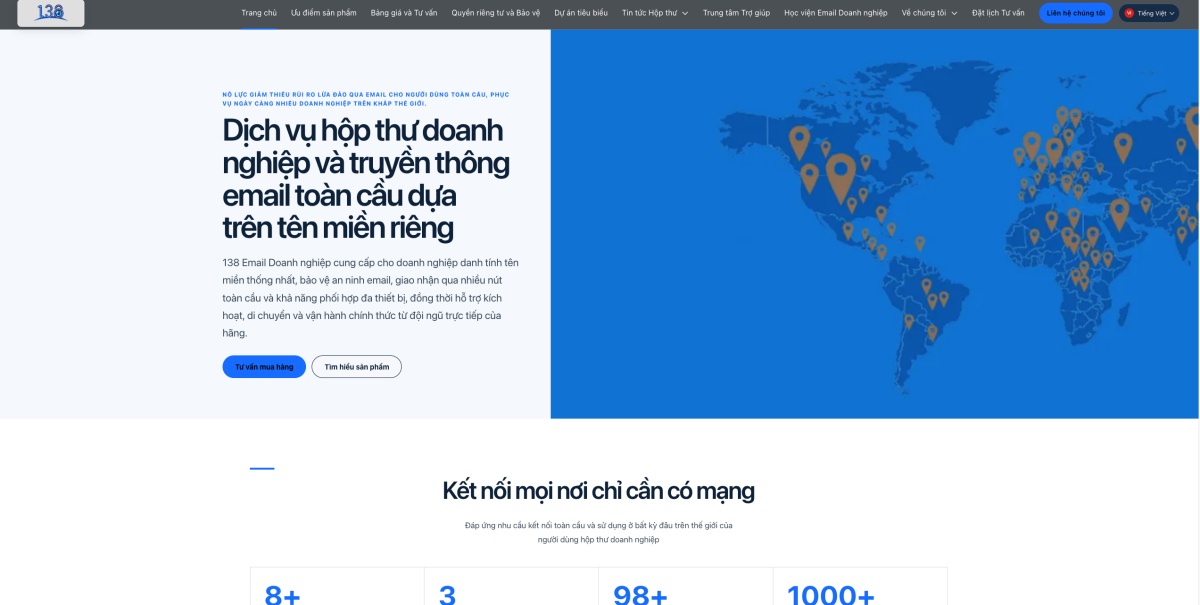
138 Enterprise Email | Vietnamese AI Digital Asset Website Case Study
An AI-driven digital asset website for enterprise email tailored to Vietnamese enterpris...
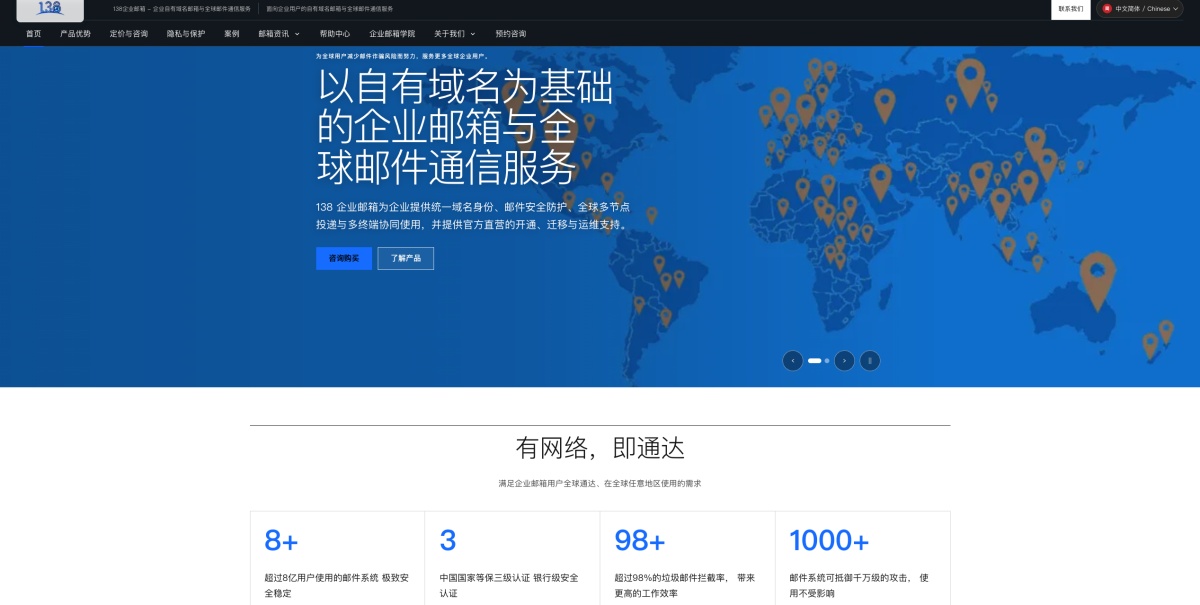
138 Enterprise Email | Chinese AI Digital Asset Website Case Study for Enterprise Services
Developed a Chinese AI digital asset website for an enterprise email service brand. By i...
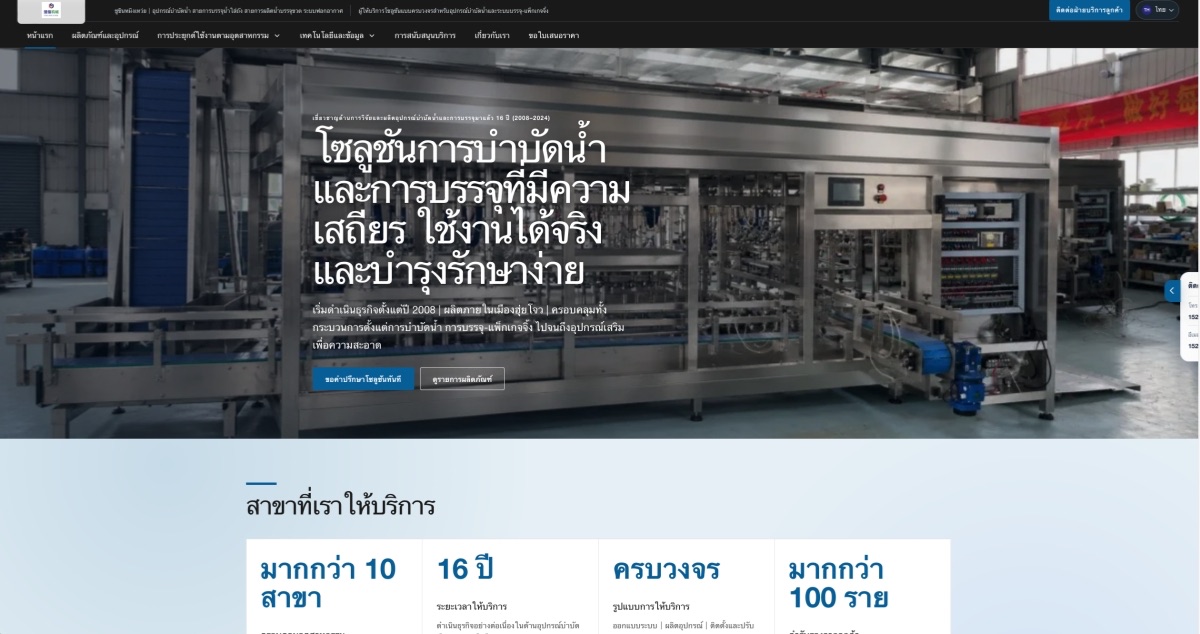
Water Treatment & Filling Equipment Manufacturer | Thai AI Digital Asset Website Case Study
Development of a Thai AI digital asset website for water treatment and filling equipment...