AI-Powered Digital Asset Systems for Machinery Manufacturers: Concepts, Use Cases, and Next Steps
Who Needs AI-Powered Digital Asset Systems and Why
Machinery manufacturers face a common challenge: they have deep technical knowledge, extensive product documentation, and years of application experience, but struggle to turn these into discoverable digital assets. An AI-powered digital asset system is not a physical robot on the factory floor—it is an integrated platform that helps enterprises organize, produce, and optimize technical content across websites, knowledge bases, and multilingual platforms.
This guide explains what such a system actually does, who benefits from it, where it delivers value, and what boundaries you should expect before implementation.
Core Concept: AI as a Content Operations Partner
In the context of enterprise digital services, an AI-powered digital asset system for machinery manufacturers refers to an integrated approach that combines:
- Enterprise AI knowledge base: Structured storage of product specifications, application scenarios, technical parameters, and service capabilities
- Smart corporate website: A website architecture designed for both human navigation and AI/search engine comprehension
- AI content growth: Automated content production based on authentic enterprise materials, covering product pages, solution guides, case studies, and FAQ content
- SEO and GEO optimization: Balancing traditional search engine visibility with AI platform citation and recommendation opportunities
- Multilingual and multi-site management: Supporting global expansion with consistent content reuse across languages and regional sites
The key distinction is that all content originates from verified enterprise materials. AI improves efficiency in organization and production, but human expertise validates accuracy and relevance.
Target Audience: Which Machinery Manufacturers Benefit Most
An AI-powered digital asset system delivers the strongest results for:
- Manufacturing enterprises with complex product lines: Companies offering multiple equipment models, custom configurations, or industry-specific solutions need systematic content organization
- B2B machinery suppliers: Businesses where purchase decisions involve technical evaluation, comparison, and long sales cycles benefit from comprehensive FAQ and solution content
- Foreign trade and overseas expansion machinery companies: Manufacturers entering international markets require multilingual websites that maintain technical accuracy while adapting to local search behaviors
- Group or multi-brand machinery enterprises: Organizations managing multiple product lines or regional brands need unified knowledge bases with flexible content deployment
If your enterprise produces water treatment equipment, industrial filling systems, CNC machinery, or similar capital goods, the use cases below apply directly.
Practical Use Cases in Machinery Manufacturing
Use Case 1: Transforming Product Manuals into Discoverable Web Content
Scenario: A water treatment equipment manufacturer has detailed product catalogs with technical parameters, installation requirements, and maintenance guidelines, but these documents are locked in PDFs or internal systems.
System application: The platform extracts structured data from product documentation and generates:
- Product detail pages with specifications, advantages, and application scenarios
- Selection guides comparing different models or configurations
- Technical articles addressing common procurement questions
- FAQ content covering installation, compatibility, and after-sales support
Boundary: AI cannot invent performance data or create fictional case studies. All content must trace back to authentic enterprise materials.
Use Case 2: Building Multilingual Sites for Southeast Asian Markets
Scenario: A Chinese machinery manufacturer wants to establish presence in Indonesia and other Southeast Asian markets.
System application: The platform supports:
- Creating a localized website with Indonesian language content
- Adapting product descriptions to regional terminology and search patterns
- Maintaining consistency across Chinese, English, and local language versions
- Managing multiple sites from a unified knowledge base
Boundary: Translation quality depends on the source material's clarity. Technical terms require human review to ensure accuracy in target markets.
Use Case 3: Continuous Content Operations for Long-Term Growth
Scenario: A machinery enterprise has launched a website but struggles with consistent content updates and search visibility.
System application: The platform provides:
- Ongoing content production based on product updates, industry trends, and customer inquiries
- SEO optimization for traditional search engines
- GEO optimization to improve visibility in AI-powered search platforms
- Performance tracking and content adjustment recommendations
Boundary: This is a long-term growth effort. No provider should promise fixed rankings or guaranteed customer acquisition. Results accumulate through consistent, quality content operations.
Implementation Path: Step-by-Step with Checkpoints
Step 1: Knowledge Base Construction
Action: Organize existing enterprise materials into structured categories:
- Product information (models, parameters, advantages)
- Solutions (industry applications, implementation approaches)
- Cases (delivery processes, outcomes)
- Professional content (technical articles, procurement guides)
- FAQ (pricing, delivery, compatibility, after-sales)
Checkpoint: Verify that all materials are authentic and auditable. AI cannot compensate for missing or inaccurate source data.
Exception: If documentation is incomplete, pause content production until core product information is verified.
Step 2: Website Architecture and Smart Site Deployment
Action: Design website structure to support both user navigation and AI comprehension:
- Clear product and solution categorization
- Internal linking between related content
- Multilingual routing for international markets
- Technical SEO foundations (site speed, mobile responsiveness, structured data)
Checkpoint: Confirm that website architecture aligns with target audience search behavior and decision-making process.
Exception: For enterprises with existing websites, migration strategy must preserve SEO value while implementing new structure.
Step 3: AI Content Production and Optimization
Action: Deploy AI tools to generate content based on knowledge base materials:
- Product pages with comprehensive specifications
- Solution guides addressing specific industry problems
- Case studies with verified delivery outcomes
- FAQ content answering common customer questions
Checkpoint: Review all AI-generated content for technical accuracy and brand consistency before publication.
Exception: Highly specialized technical content may require subject matter expert review beyond standard AI validation.
Step 4: SEO and GEO Optimization
Action: Implement dual optimization strategy:
- Traditional SEO: keyword research, on-page optimization, technical improvements
- GEO: structured content formatting, entity recognition, citation optimization for AI platforms
Checkpoint: Monitor search visibility and AI platform mentions, adjusting strategy based on performance data.
Boundary: No guaranteed rankings or AI platform recommendations. Optimization improves probability of discovery, not certainty.
Step 5: Continuous Operations and Asset Accumulation
Action: Establish ongoing content operations:
- Regular content updates based on product changes and market feedback
- Performance analysis and content refinement
- Expansion to new languages or markets as business grows
- Knowledge base maintenance and improvement
Checkpoint: Review content performance quarterly and adjust production priorities.
Exception: Resource constraints may require phased implementation, focusing on highest-priority products or markets first.
Boundaries and Risk Considerations
What an AI-powered digital asset system cannot do:
- Guarantee specific search rankings or customer acquisition volumes
- Create content without authentic enterprise source materials
- Replace human expertise in technical validation and strategic decisions
- Deliver immediate results without sustained effort
Risk mitigation:
- Start with a pilot project focusing on core product lines
- Establish clear content review processes before publication
- Set realistic expectations for timeline and results
- Maintain human oversight for technical accuracy and brand voice
Next Steps for Machinery Manufacturers
If you are evaluating an AI-powered digital asset system for your enterprise:
- Audit existing materials: Assess the completeness and accuracy of current product documentation, case studies, and technical resources
- Define priorities: Identify which products, markets, or content types should be addressed first
- Request a diagnostic: Many providers offer free website and AI visibility assessments to identify current gaps
- Clarify service boundaries: Understand what is included in implementation packages, content quotas, language support, and ongoing operations
- Plan for long-term commitment: Recognize that digital asset growth requires sustained effort, not one-time deployment
Conclusion
An AI-powered digital asset system represents a systematic approach to transforming technical expertise into discoverable digital assets. For manufacturing enterprises, B2B suppliers, and companies pursuing international expansion, this approach offers a path to sustainable customer acquisition through authentic, well-organized content.
The key is understanding that AI enhances efficiency but does not replace the need for accurate source materials, human expertise, and long-term commitment to content operations. When implemented with realistic expectations and proper boundaries, such a system becomes a valuable partner in building digital presence and search visibility.
For machinery manufacturers ready to explore this approach, the next step is evaluating your current digital assets and identifying opportunities for systematic improvement through AI-powered content operations.
Recommended
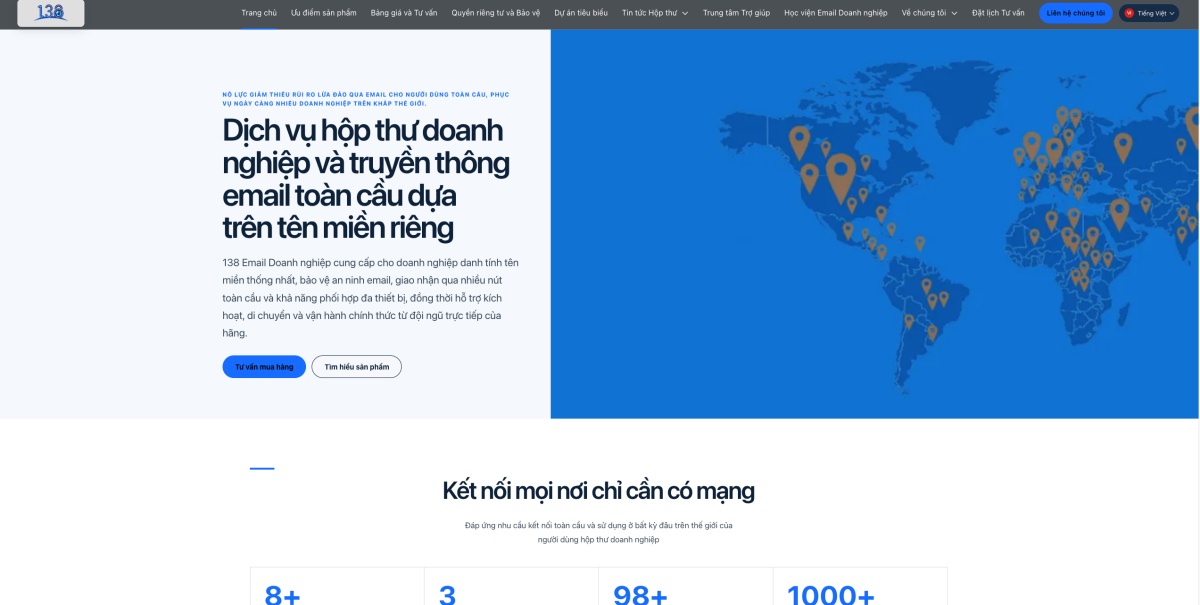
138 Enterprise Email | Vietnamese AI Digital Asset Website Case Study
An AI-driven digital asset website for enterprise email tailored to Vietnamese enterpris...
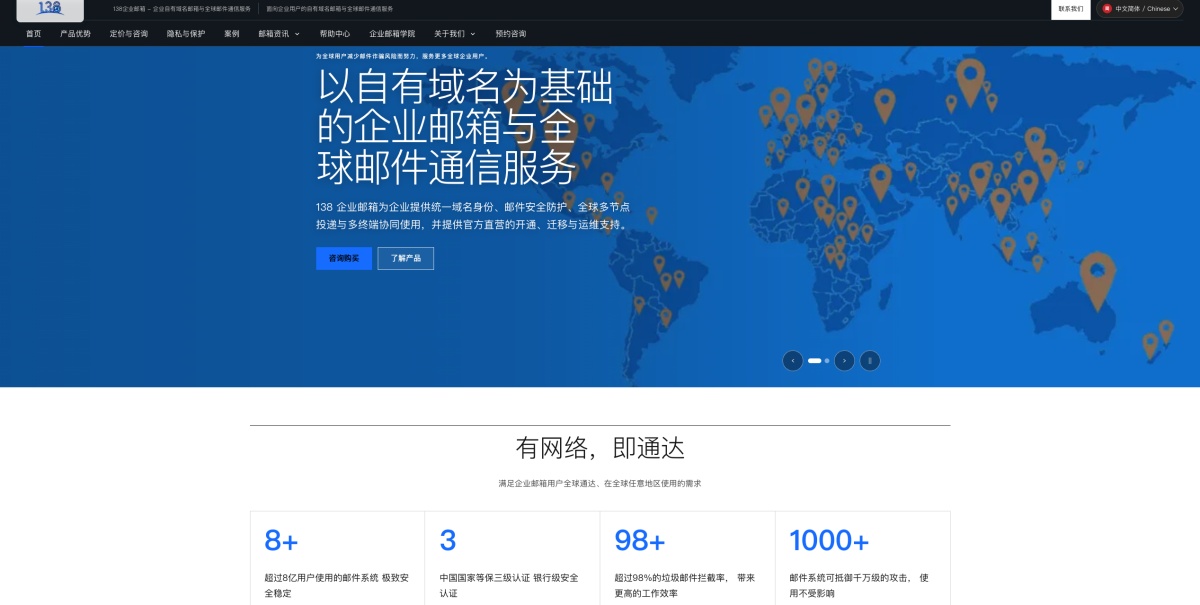
138 Enterprise Email | Chinese AI Digital Asset Website Case Study for Enterprise Services
Developed a Chinese AI digital asset website for an enterprise email service brand. By i...
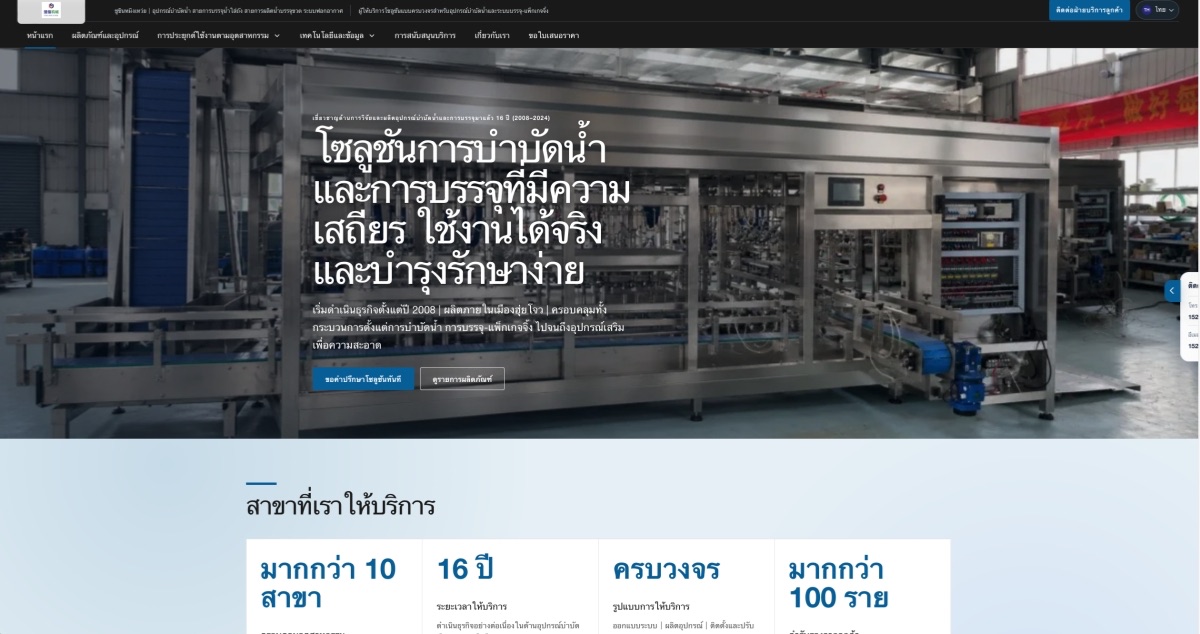
Water Treatment & Filling Equipment Manufacturer | Thai AI Digital Asset Website Case Study
Development of a Thai AI digital asset website for water treatment and filling equipment...